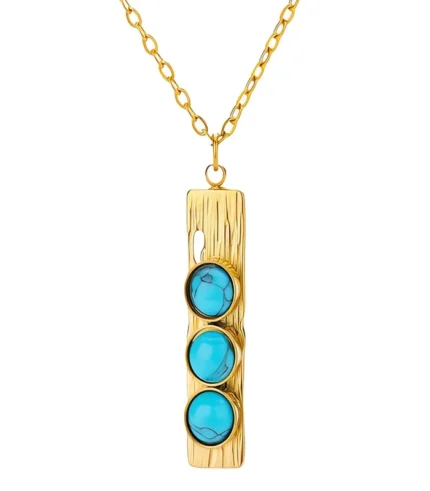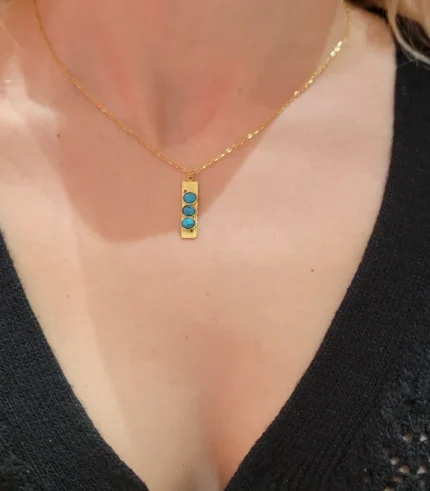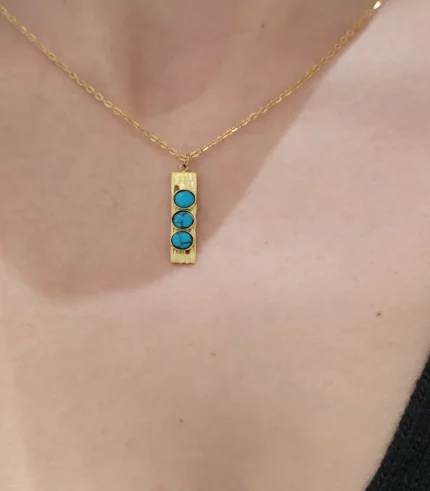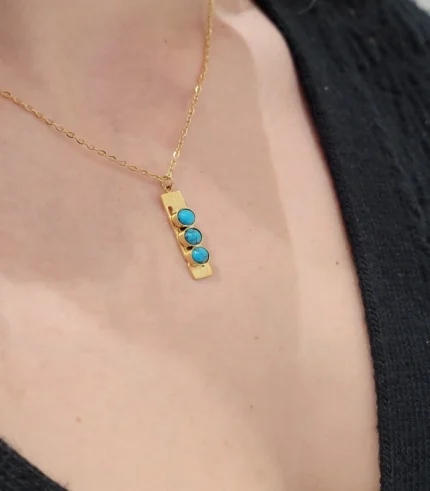
Gold Plated Pendant Necklaces for Layering
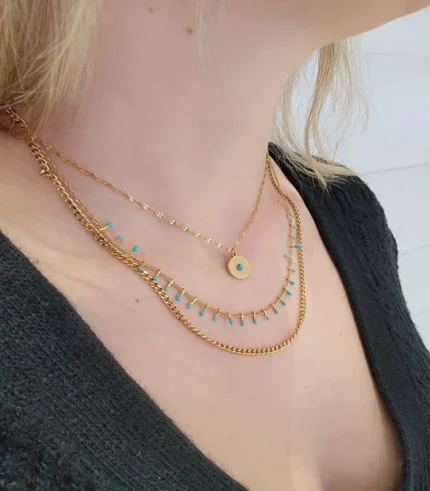
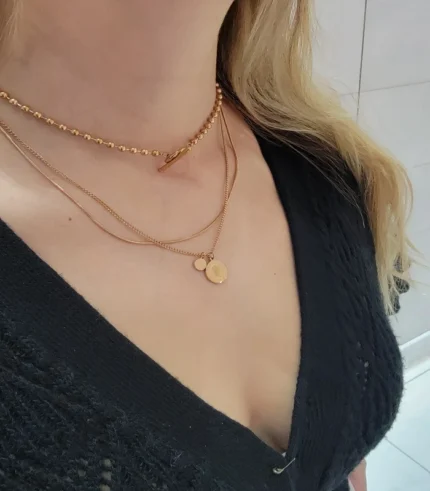
Gold pendant layering has quietly become the most useful styling skill in modern jewelry. The concept is simple. You wear two, three, or four necklaces at once. Each chain sits at a different length. Each pendant gets breathing room. The finished look reads as intentional, not crowded.
However, layering was once an expensive habit. Stacking three solid gold pendants meant a serious investment. Modern 18K gold plated stainless steel changed that math entirely. You can now build a complete stack for the price of one fine-gold piece. This guide covers lengths, metals, spacing, and care. By the end, gold pendant layering will feel like a formula rather than guesswork.
The Length Rules That Make Gold Pendant Layering Work
Every good stack starts with measurements, not luck. Jewelers use six standard necklace length categories. Collar sits at 14 inches. Choker lands at 16 inches. Princess falls at 18 inches. Matinee runs 20 to 24 inches. Opera stretches 28 to 36 inches. Rope goes beyond 36 inches. These names come from older formal dress codes. Today they work as a practical ruler.
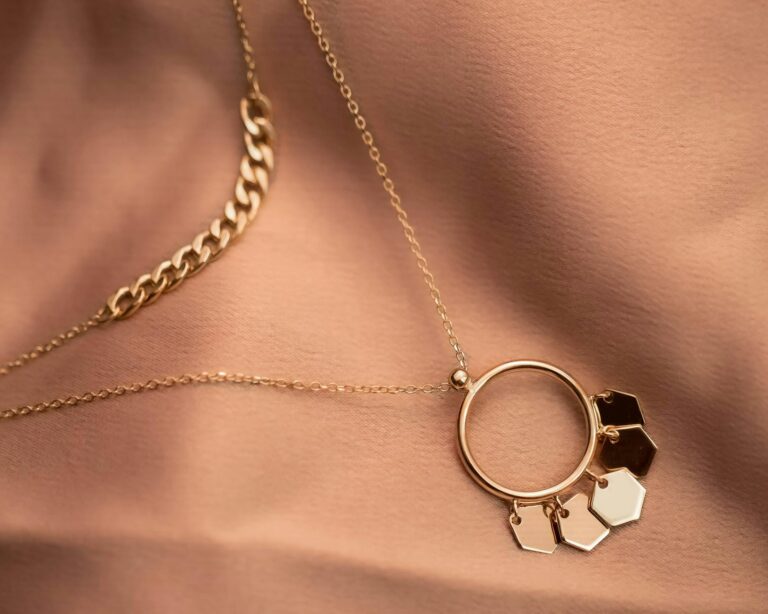
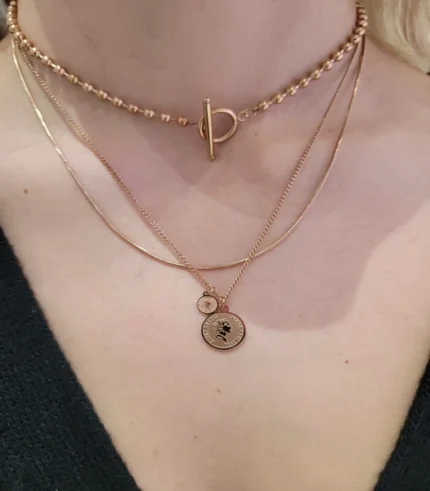
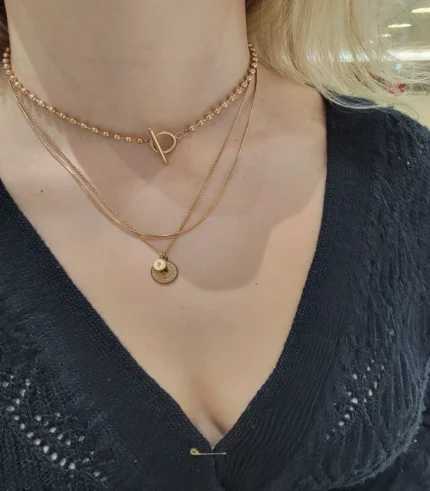
The core rule of gold pendant layering is spacing. Keep at least two inches between each chain. Three inches is even safer. That gap stops tangling and gives every pendant its own visual line. In most cases, a 16-inch, 18-inch, and 20-inch trio is the easiest starting point.
Height matters too. Shorter necks typically look better with a 16-inch base. Longer necks can start at 18 inches. Try the stack in a mirror before deciding. Small adjustments make a large difference.
Shop tarnish-free gold-plated necklaces
View all →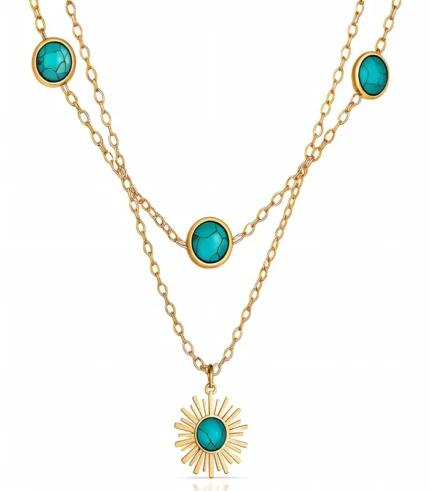

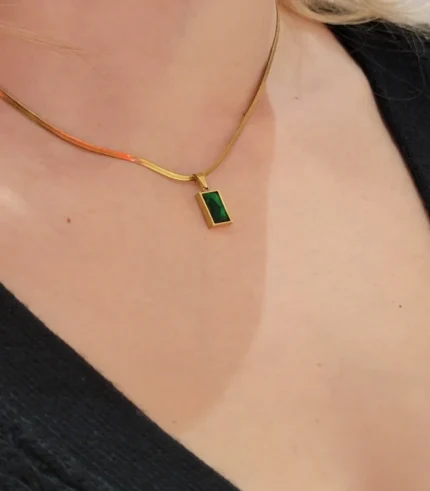

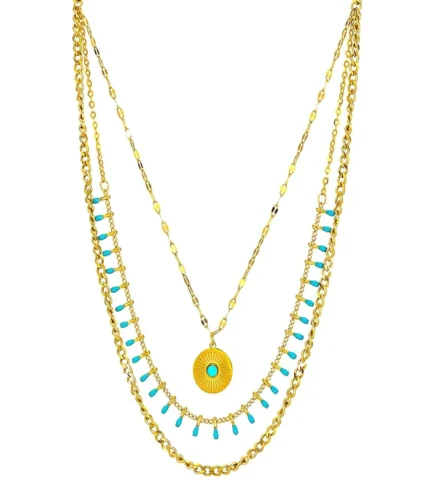
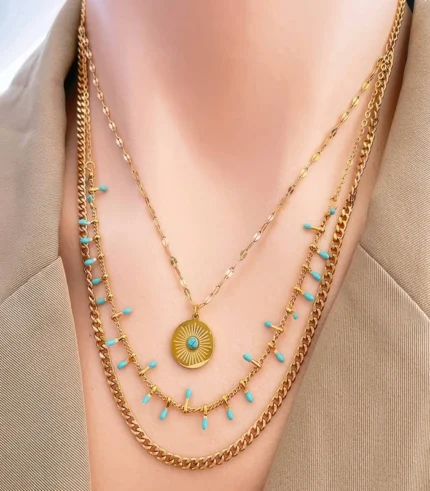
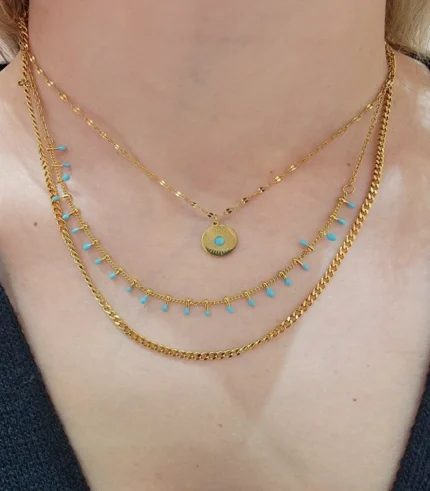
Why 18K Gold Plated Stainless Steel Suits Layering So Well
Layering asks a lot of your jewelry. Chains rub against each other all day. That is exactly where stainless steel earns its reputation. Steel is a hard, corrosion-resistant alloy. It resists scratching far better than softer metals. It also holds its shape under daily wear.
The gold layer on top is applied through electroplating, an electrochemical process. Industry standards define true gold plating as a layer of 0.5 microns or thicker. Anything thinner counts as gold flash. Modern plating technology has improved dramatically over older methods. The bond is tighter and the finish lasts longer.
The color story is equally strong. According to GIA, 18K gold is 75 percent pure gold. That ratio produces the rich, warm yellow most people picture. An 18K plated finish delivers that exact tone. Visually, the difference from solid gold is invisible at conversational distance. For gold pendant layering, that consistency is the whole point.
Building Your First Gold Pendant Layering Stack
Start with a base chain. Choose something simple at 16 inches. A thin cable or box chain works beautifully. This layer sits closest to the neck and frames everything above it.
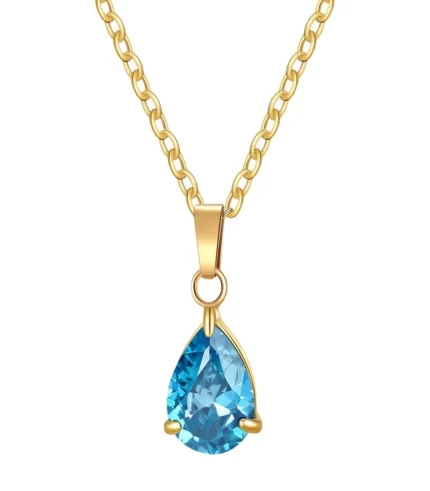
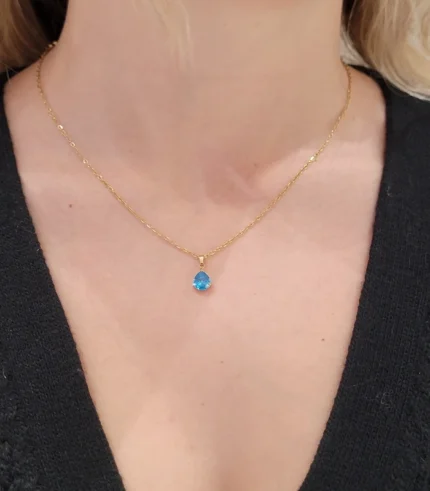
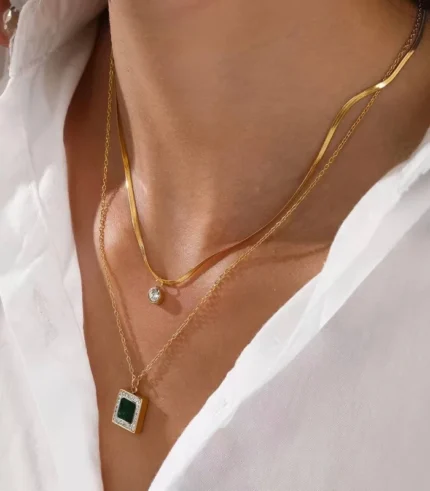
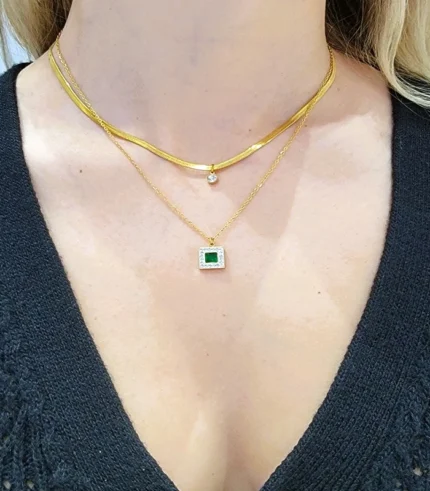
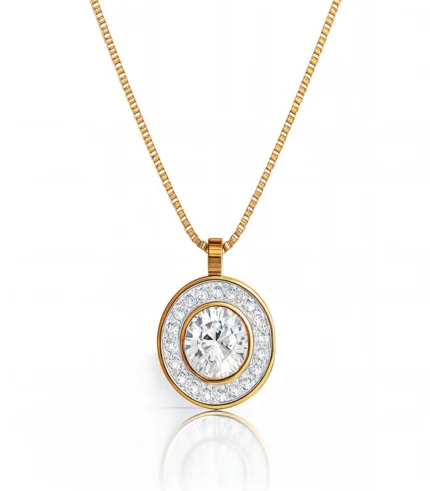
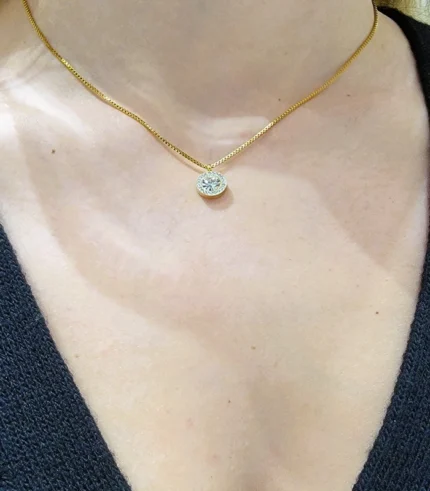
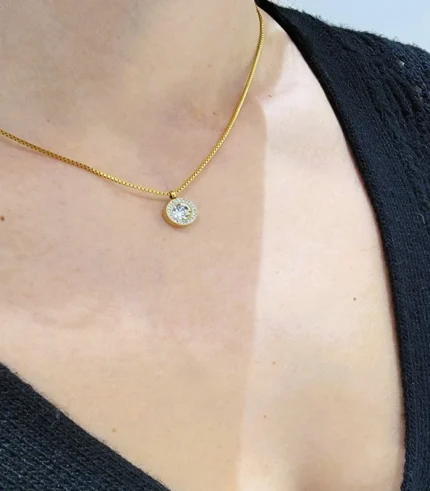
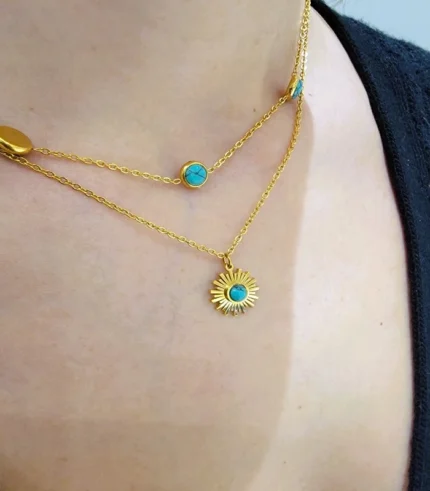
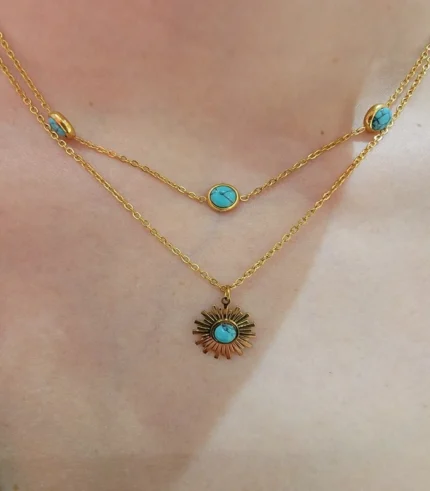
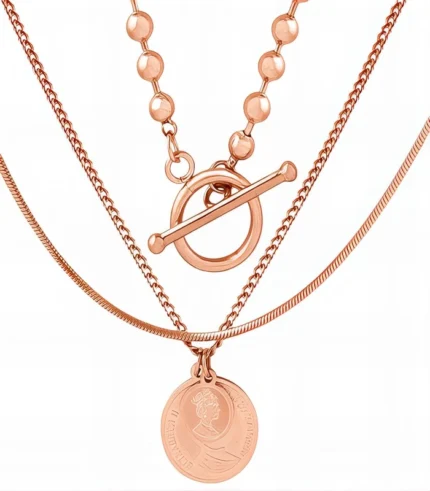
Add your focal pendant next. Place it on an 18-inch chain. This is the piece people notice first. A coin, initial, or small gemstone drop all work. Keep it slightly bolder than the base chain.
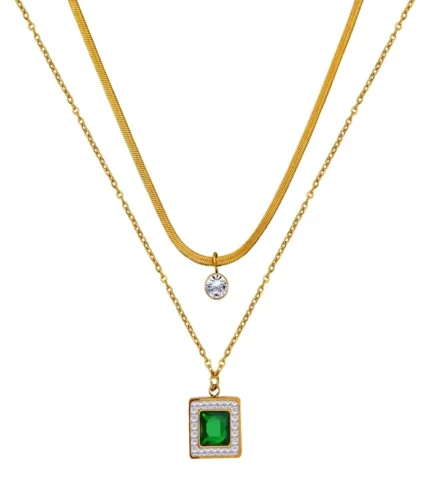
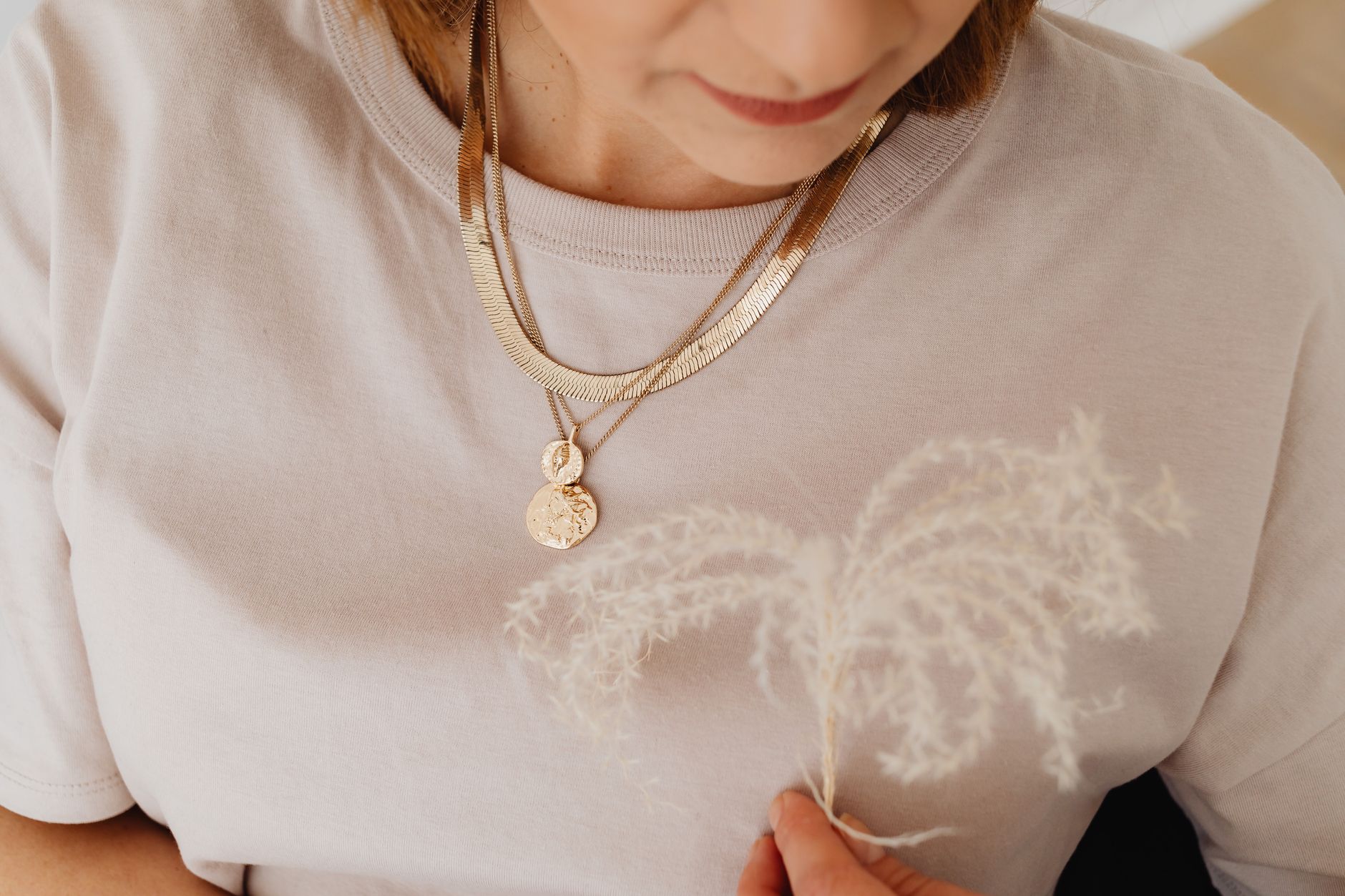
Finish with a longer third layer at 20 or 22 inches. This piece can be delicate again. The pattern to follow is simple: thin, bold, thin. That rhythm keeps the eye moving. For example, a fine chain, a pendant medallion, and a slim bar necklace read as balanced instantly.
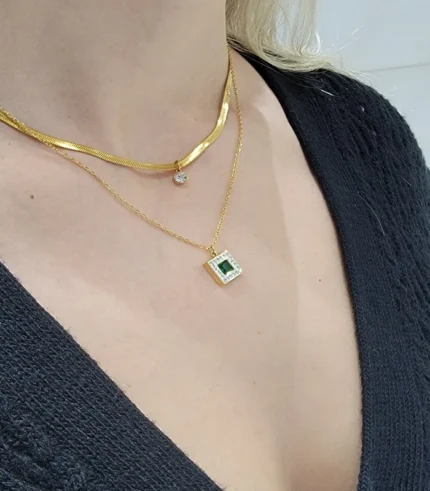
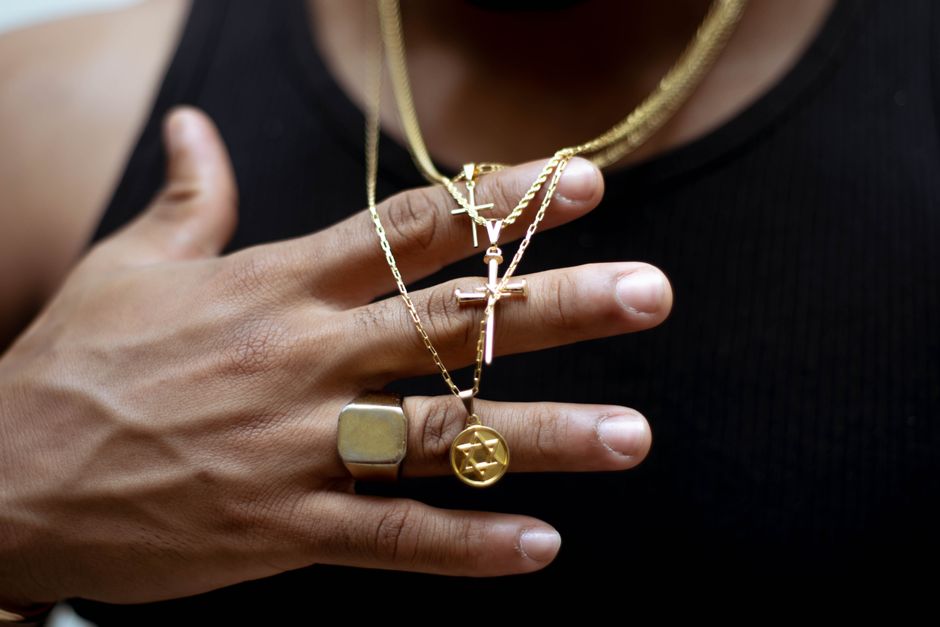
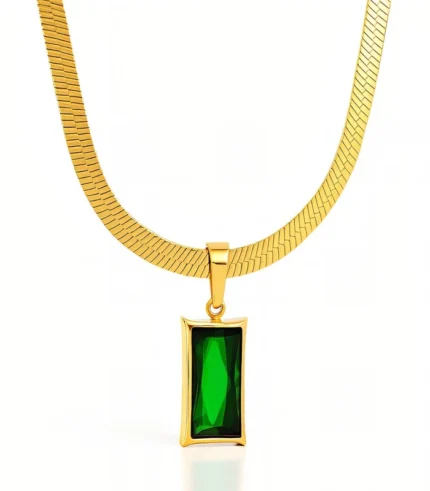
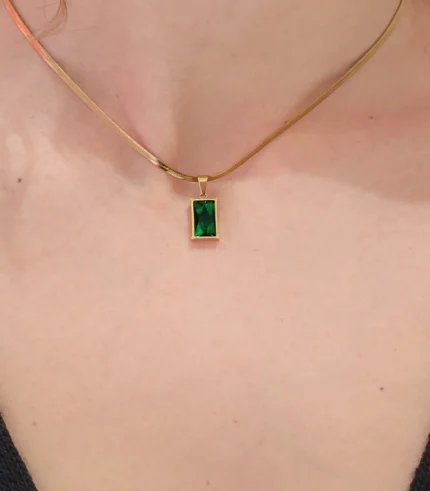
Mix textures rather than repeating them. Pair a smooth snake chain with a textured rope chain. Vary pendant shapes too. Round beside rectangular beats round beside round. This is where gold pendant layering becomes personal. Because plated pieces are so accessible, you can own five pendants and rotate them freely. Variety beats one expensive necklace worn the same way every day.
Care and Everyday Habits for Layered Pieces
Caring for plated jewelry takes about ten seconds. Take your stack off before showering, swimming, or the gym. Apply perfume and lotion first, then put your necklaces on. Wipe each chain with a soft dry cloth at the end of the day. That is genuinely the whole routine.
Storage is just as quick. Hang each chain separately or lay them flat in a lined tray. Separation prevents tangles and reduces friction between layers. Typically, a small pouch per necklace solves the problem entirely. These easy habits keep gold pendant layering looking fresh for years. They cost you seconds, not effort.
Join the KartiKart community
10% off, on top of any current sale, your first order + early access to new collections
Free · No spam · Unsubscribe anytime
What to Look For When You Shop
Check the base metal first. Stainless steel is the strongest foundation for plated jewelry. It is hypoallergenic, nickel-safe for most wearers, and built for daily use. Brass bases behave differently, so the base metal matters more than the price tag.
Then check clasp quality and chain weight. Lobster clasps hold better than spring rings on layered stacks. Adjustable extender chains are a quiet advantage. They let one necklace serve two positions in your gold pendant layering rotation. However, avoid buying three near-identical lengths. Buy across the length chart instead, and your stack will always have structure.
Frequently Asked Questions
How many necklaces should I layer at once?
Two or three is the sweet spot for most outfits. Four works for evening looks and open necklines. Beyond that, the pendants start competing for attention.
Will layered gold plated chains scratch each other?
Stainless steel is highly scratch-resistant, so normal wear is fine. Keeping chains two to three inches apart reduces contact even further. Proper spacing solves most friction concerns before they start.
Is gold plated jewelry a smart choice for layering?
It is the smart choice for anyone who wants range. One solid gold pendant costs about what five plated pieces cost. That means five looks instead of one, and freedom to refresh your collection as styles change.
Shop Jewelry at KartiKart
Explore our collection of handcrafted 18K Gold Plated Stainless Steel jewelry. Every piece is designed for everyday elegance at an accessible price point.
Bracelets · Earrings · New Arrivals
Sources & Further Reading
For verified gemstone and jewelry information:
Content last reviewed August 2026. If you notice any outdated information, please contact us.
From the KartiKart shop
Wear what you just read about
Dainty, everyday pieces, handpicked by a husband-and-wife team. Free U.S. shipping, gift-ready packaging, 30-day easy returns, and 5% of every order goes to organizations fighting human trafficking.
Shop tarnish-free gold-plated necklaces →