Storing Gold Plated Jewelry to Prevent Wear
Storing gold jewelry properly is the single easiest way to keep your pieces looking new for years. Most wear does not happen while you wear your jewelry. It happens in the drawer, in the travel pouch, and at the bottom of a bag. Pieces rub against each other. Clasps scratch pendants.
Humidity settles on surfaces overnight. The good news is that fixing this costs almost nothing. A few small habits protect every piece you own. This guide covers what actually causes wear, how to store 18K gold plated stainless steel the smart way, and which storage products are worth buying. In most cases, ten seconds of care after you take a piece off is all it takes.
Why storing gold jewelry the right way matters
Gold is a soft metal by nature. According to the Gemological Institute of America, pure gold is highly malleable, which is why it is almost always alloyed or applied over a harder base. That is exactly why modern plating over stainless steel performs so well. The steel core gives structure. The 18K gold layer gives the warm color and shine. However, the outer surface still meets the same enemies every day: friction, moisture, and sulfur in the air.
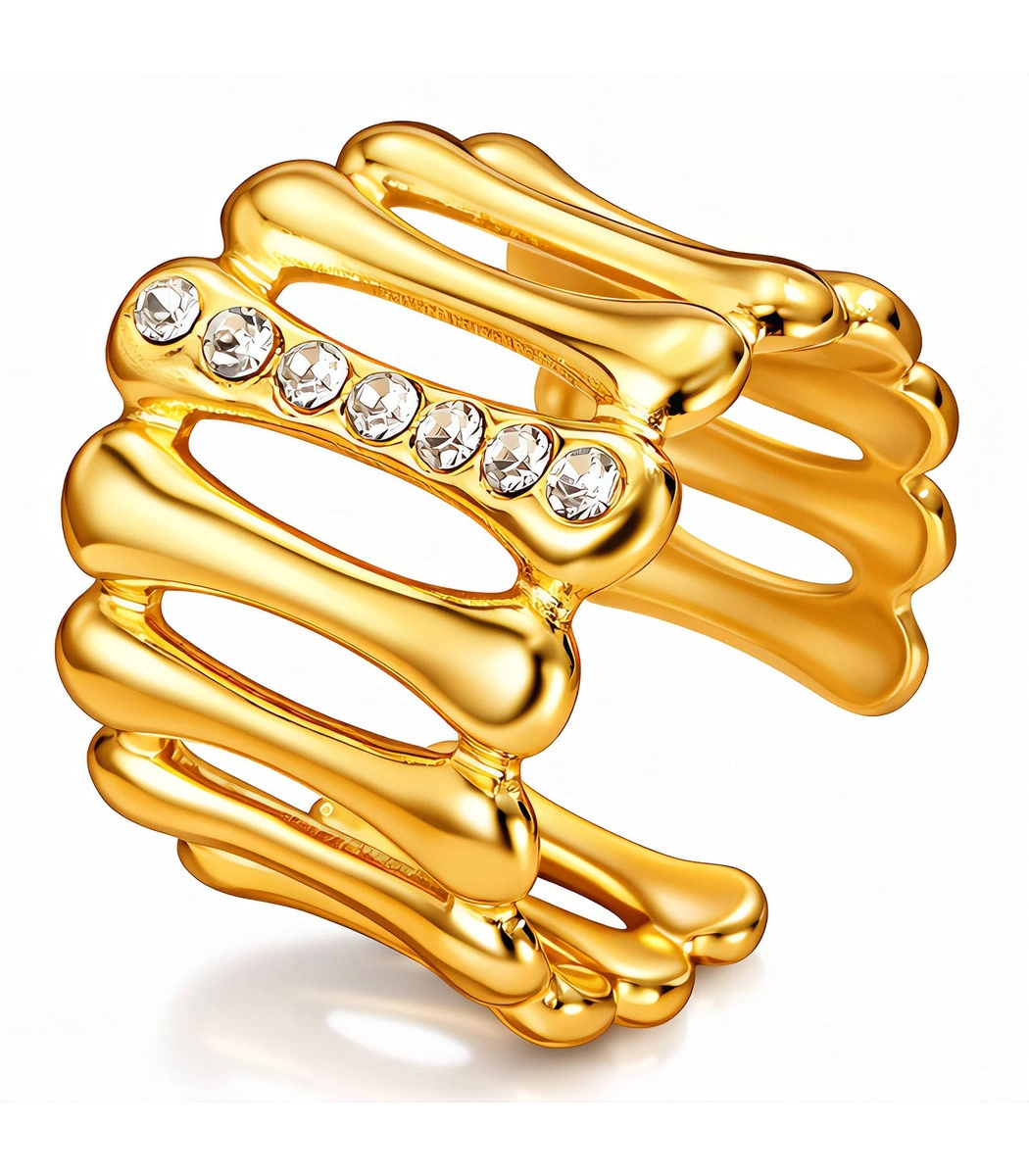
Friction is the biggest one. Two chains tangled in a drawer will polish each other down over months. For example, a textured cuff sitting on top of a smooth pendant acts like fine sandpaper every time the drawer opens. Storing gold jewelry with separation between pieces removes that problem entirely.
Moisture is second. Humid bathroom air speeds up tarnish on clasps and any exposed base metal. Typically, a dry bedroom drawer is far better than a bathroom shelf.
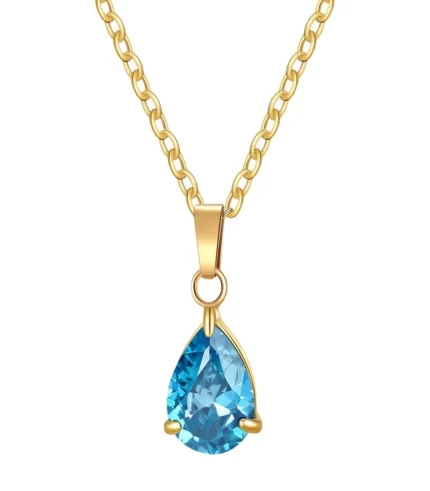
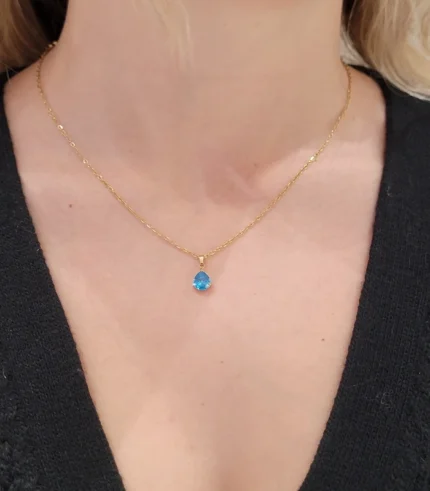
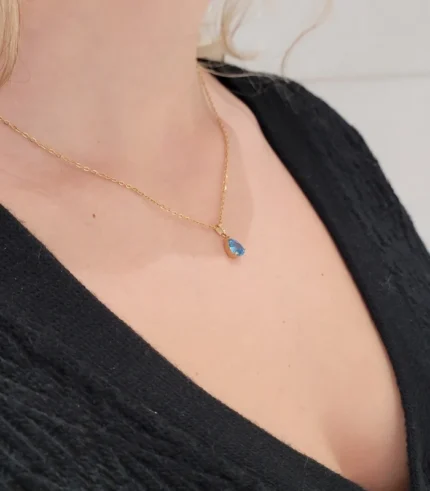
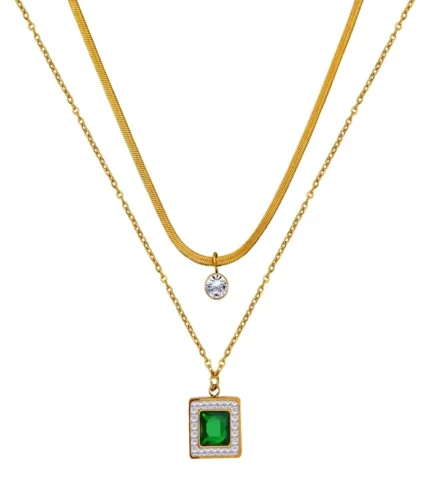
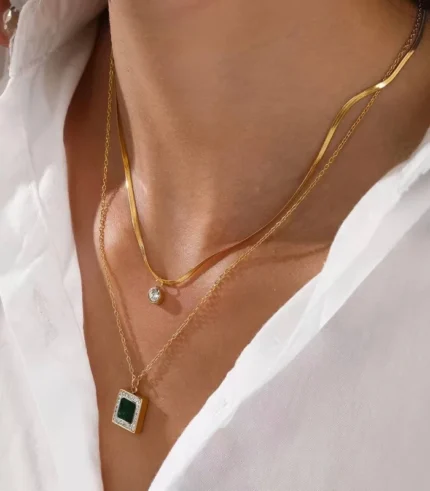
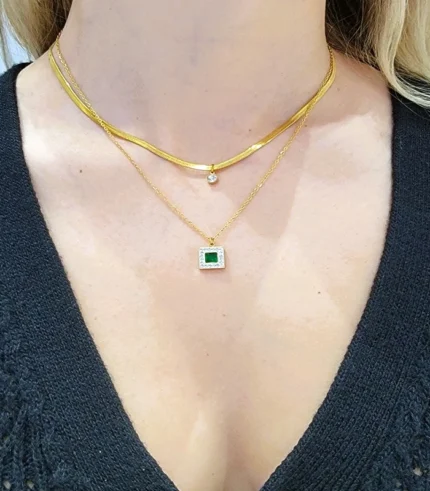
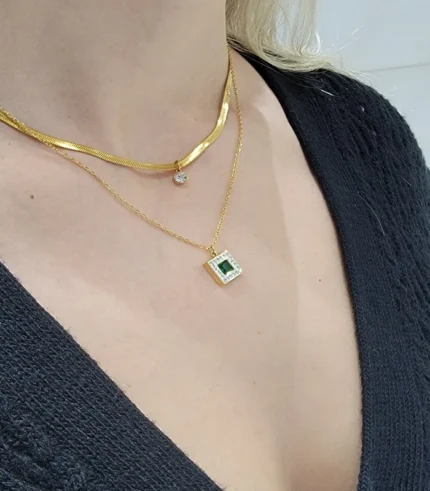
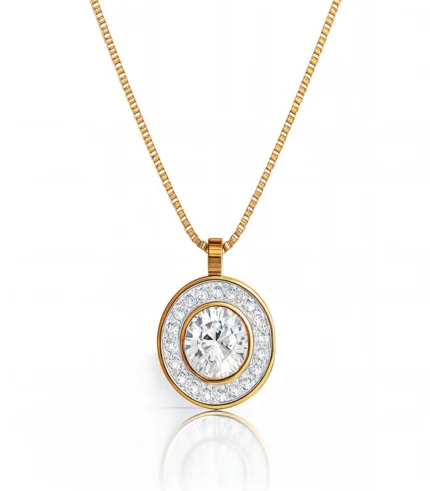
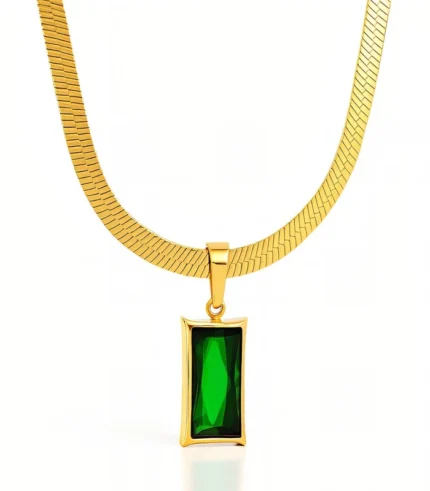
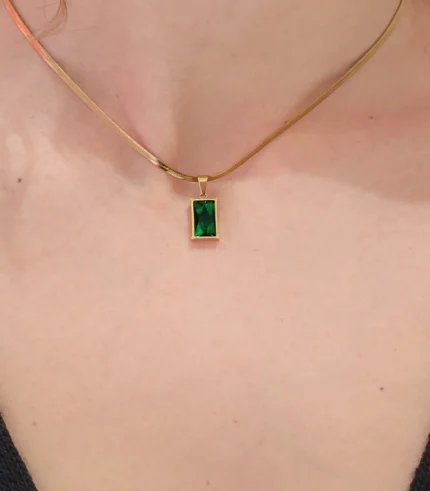
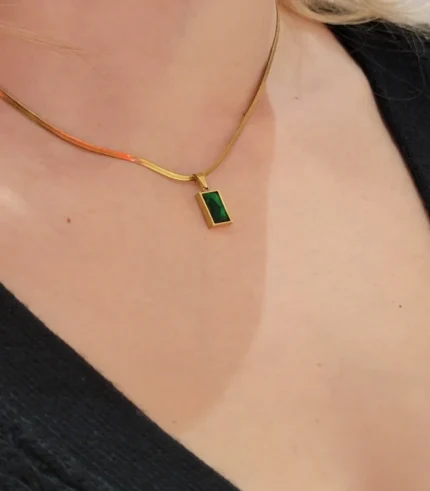
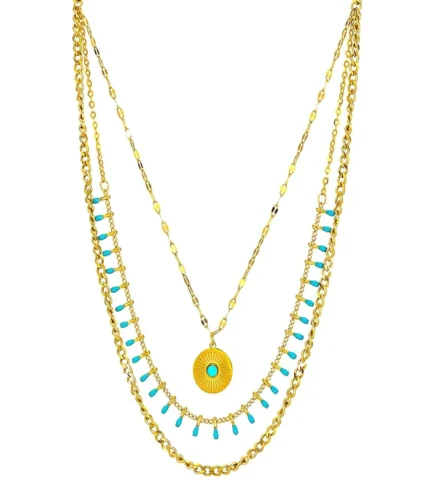
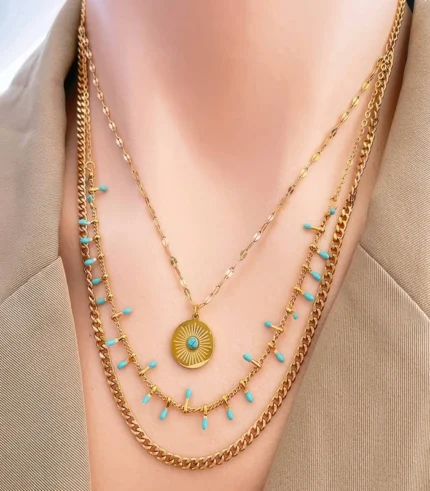
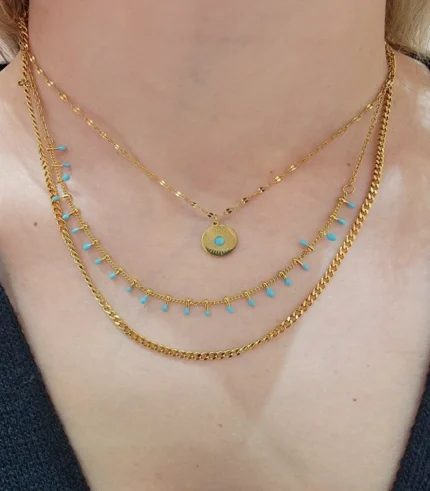
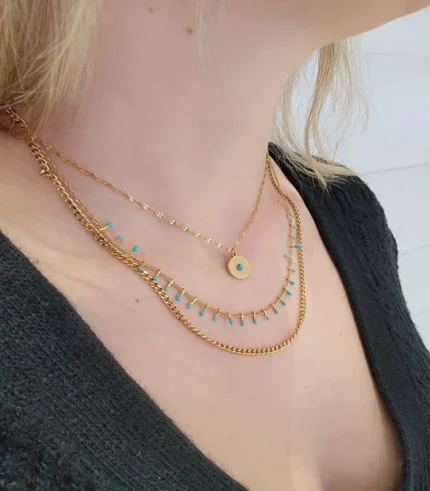
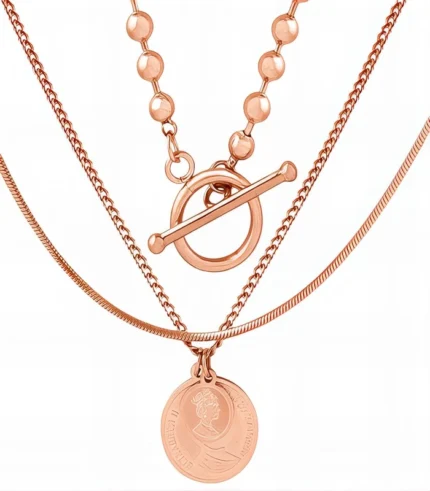
Shop tarnish-free gold-plated necklaces
View all →


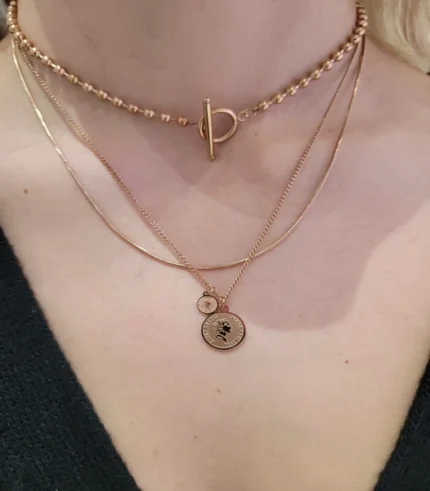
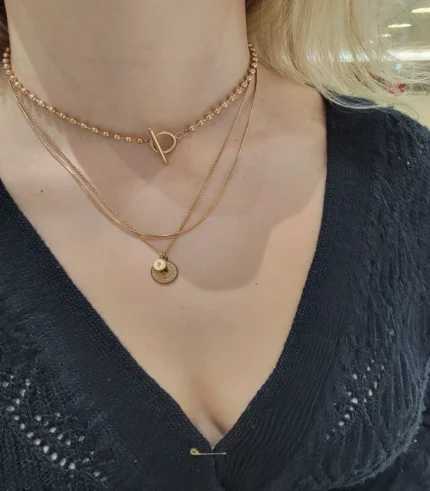
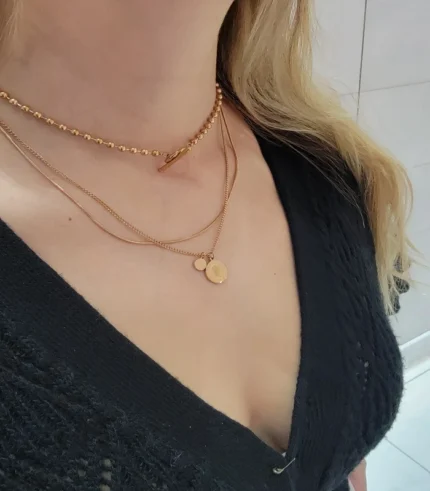
The three rules of storing gold jewelry at home
Rule one: separate everything. Each piece gets its own pouch, compartment, or hook. No piles. This one rule prevents most scratching.
Rule two: keep it dry. Store pieces away from steam and open windows. A small silica gel packet in your jewelry box absorbs stray moisture. Replace it every few months.
Rule three: keep it dark and cool. Direct sunlight and heat are not friendly to any finish. A closed box in a bedroom drawer beats a decorative dish on a sunny windowsill.
Storing gold jewelry this way takes no extra effort once the system exists. You are not adding a chore. You are choosing where the piece lands when it comes off. That is the whole trick.
Storage options compared: what to actually buy
Soft pouches are the cheapest solution and they work. Look for cotton flannel or microfiber, not rough felt. One piece per pouch. Pouches also travel well, so the same system works at home and on the road.
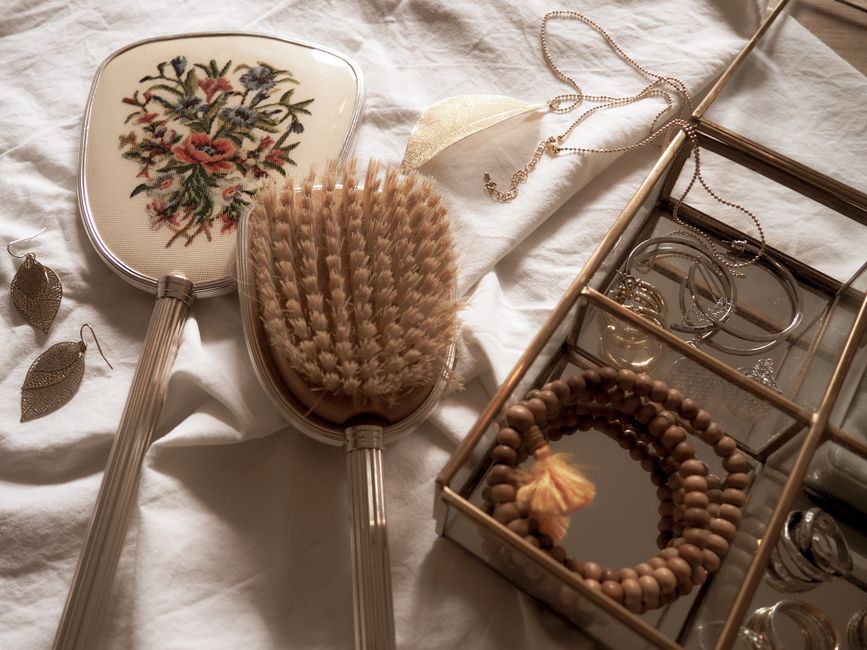
Lined jewelry boxes are the upgrade. Choose compartments with a soft interior and dividers you can actually use. Necklace hooks along the lid are worth paying for. A hanging chain cannot tangle with anything.
Anti-tarnish strips are the quiet hero. These treated paper strips absorb sulfur compounds from the air. Drop one in each drawer. They last about six months. Museums use similar humidity and pollutant controls for metal collections, as described in Smithsonian conservation guidance on caring for metal objects.
Skip airtight plastic bags with no ventilation if pieces go in damp. Trapped moisture is worse than open air. Dry the piece first, then seal it.
Daily habits that protect gold plated pieces
Last on, first off. Put jewelry on after perfume, lotion, and hairspray. Take it off before showering, swimming, or the gym. Modern 18K gold plating on stainless steel is built for everyday wear and handles ordinary life easily. Still, these two habits stretch that lifespan even further.
Wipe before you store. A soft microfiber cloth removes skin oils and sweat in about ten seconds. That is the entire routine. Do it at the end of the day and your pieces go into storage clean.
Join the KartiKart community
10% off, on top of any current sale, your first order + early access to new collections
Free · No spam · Unsubscribe anytime
This is one of the real advantages of building a collection in gold plated stainless steel. You can own five beautiful pieces for what a single solid gold piece costs. Rotating between them means no one piece takes all the daily wear. Variety protects your jewelry and keeps your look fresh. Storing gold jewelry in a rotation system is smarter than wearing one favorite into the ground.
Travel and long-term storage
Travel is where jewelry gets damaged. Never toss pieces loose into a toiletry bag. Use a roll-up travel case with individual slots, or wrap each item in its own pouch. For chains, thread one end through a drinking straw before clasping it. The chain cannot knot.
For long-term storage, clean first, dry fully, then place each piece in a pouch inside a closed box with an anti-tarnish strip. Check the box twice a year. As Wikipedia’s overview of tarnish explains, surface tarnish forms through reaction with sulfur and oxygen in air, so limiting air exposure is the core defense. Storing gold jewelry in a stable, dry, dark place solves the problem before it starts.
Frequently Asked Questions
Can I store all my necklaces together in one box?
You can, but use dividers or individual hooks. Loose chains in a shared compartment tangle and scratch each other. Separation is the point of good storage, not the container itself.
Do I need to keep the original box for storing gold jewelry?
It helps, since the box is sized for the piece and usually lined with soft fabric. However, any soft pouch works just as well. What matters is that each piece sits alone on a non-abrasive surface.
How often should I clean pieces before storing gold jewelry away?
A quick microfiber wipe after each wear is enough for daily use. Do a fuller clean with a damp cloth and mild soap every month or two, then dry completely before storage. Typically that is all an 18K gold plated stainless steel piece ever needs.
Shop Jewelry at KartiKart
Explore our collection of handcrafted 18K Gold Plated Stainless Steel jewelry. Every piece is designed for everyday elegance at an accessible price point.
Best Sellers · Earrings · Necklaces
Sources & Further Reading
For verified gemstone and jewelry information:
Content last reviewed August 2026. If you notice any outdated information, please contact us.
From the KartiKart shop
Wear what you just read about
Dainty, everyday pieces, handpicked by a husband-and-wife team. Free U.S. shipping, gift-ready packaging, 30-day easy returns, and 5% of every order goes to organizations fighting human trafficking.
Shop tarnish-free gold-plated necklaces →