Ultrasonic Cleaners and Gold Plated: Why Never Use One
Ultrasonic gold plated jewelry and ultrasonic cleaners do not mix. Many people buy these compact machines expecting sparkling results on every piece they own. However, gold plated jewelry requires a completely different approach. Ultrasonic cleaners use high-frequency sound waves to create microscopic bubbles in liquid.
These bubbles collapse with intense force, generating localized temperatures near 5,000 Kelvin and pressures around 135 megapascals. That energy is fantastic for cleaning solid metals. For gold plated pieces, it is destructive. The thin gold layer cannot withstand millions of tiny impacts per second. Understanding why this happens helps you protect your collection and keep every piece looking brilliant for years.
How Ultrasonic Cleaners Actually Work
An ultrasonic cleaner converts electrical energy into sound waves. These waves typically operate between 20 and 80 kHz. Most jewelry-grade machines run at 40 to 60 kHz. The sound waves pass through a cleaning solution inside the tank. During low-pressure cycles, tiny cavitation bubbles form throughout the liquid. During high-pressure cycles, those bubbles violently implode. Each implosion releases a micro-jet of liquid that blasts dirt and grime off surfaces.
This process is called acoustic cavitation. For solid gold or platinum, cavitation is generally safe. The metal is thick enough to absorb the impact. However, ultrasonic gold plated cleaning creates a serious problem. The gold layer on plated jewelry is measured in microns. Most 18K gold plated pieces have a coating between 0.5 and 5 microns thick. Cavitation bubbles act like microscopic hammers striking that thin layer relentlessly.
Shop tarnish-free gold-plated jewelry
View all →
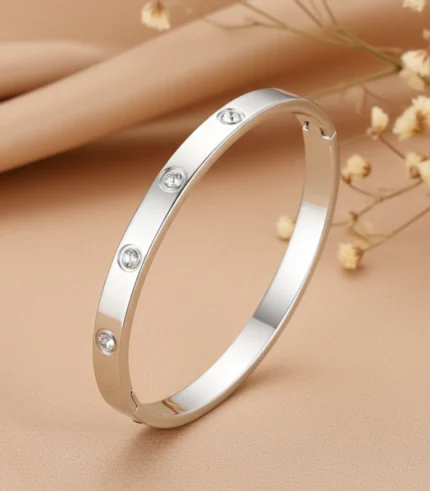
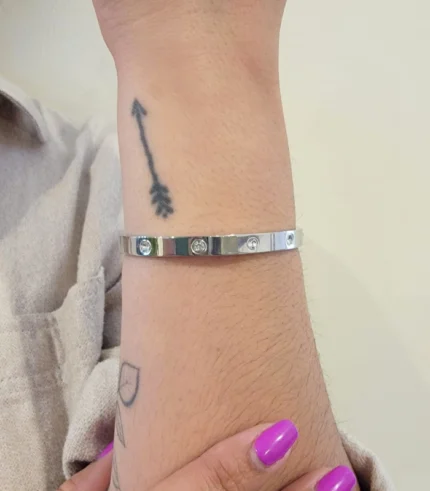
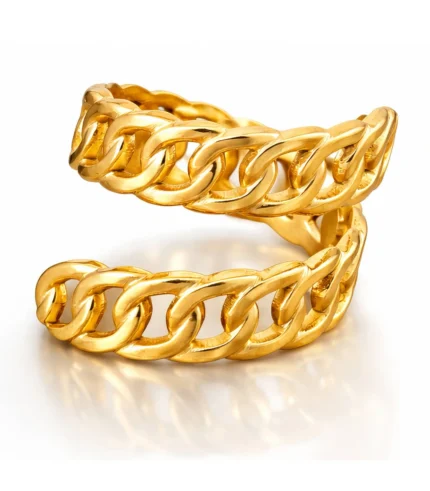
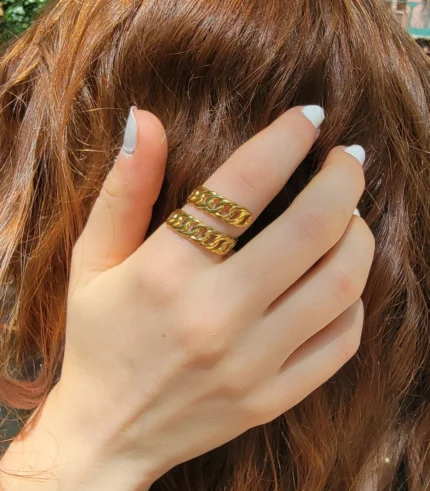
Why Ultrasonic Gold Plated Cleaning Causes Damage
The micro-jets from cavitation target every imperfection on a surface. They exploit grain boundaries, edges, and tiny gaps between the plating and the base metal. For gold plated jewelry, this means the gold layer begins to peel, bubble, or erode. Edges and raised details suffer first. In most cases, even a single cleaning cycle can cause visible damage to thinner plating.
The Gemological Institute of America (GIA) recommends using a soft polishing cloth for jewelry with plated or delicate surfaces. They specifically warn that ultrasonic cleaning is unsuitable for certain types of jewelry. Gold plated pieces fall squarely into that category. The combination of mechanical force and cleaning solution strips the gold layer far faster than normal wear ever would.
Typically, the cleaning solution itself adds another risk. Many ultrasonic solutions contain mild chemicals designed to dissolve tarnish and oxidation. These chemicals can react with the thin plating layer. When you combine chemical action with ultrasonic gold plated agitation, you accelerate the damage significantly. The base metal underneath becomes exposed, leading to discoloration and potential skin reactions.
What Happens to Your Jewelry After Ultrasonic Exposure
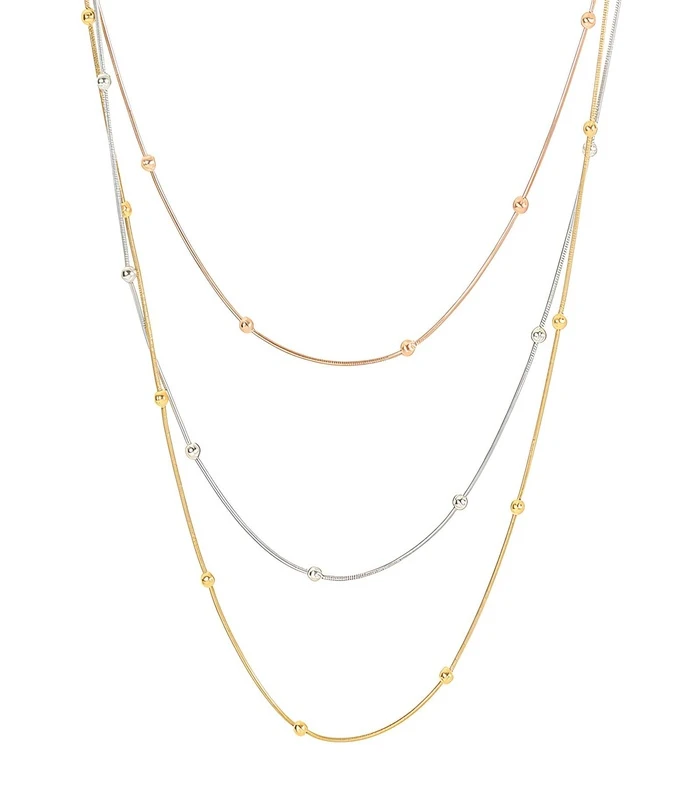
After ultrasonic cleaning, gold plated jewelry often shows telltale signs of damage. You might notice dull patches where the gold has thinned. Edges may reveal the stainless steel or base metal underneath. In some cases, the plating develops tiny bubbles or begins flaking. These changes are permanent. Once the gold layer is compromised, it cannot repair itself.
For example, a gold plated bracelet cleaned ultrasonically might look fine at first glance. Within days, the weakened spots begin to tarnish or change color. The ultrasonic gold plated damage often appears gradually as the compromised layer continues to deteriorate from normal wear. This is why prevention matters more than correction.
Stone settings face additional risk. Ultrasonic vibrations can loosen prongs and bezels. For gold plated fashion jewelry, the settings are often more delicate than those on solid gold pieces. Losing a stone after ultrasonic cleaning is a common and frustrating outcome.
Safe Cleaning Methods That Protect Gold Plating
The smartest approach to cleaning gold plated jewelry takes about 10 seconds. Use a soft, lint-free cloth to gently wipe each piece after wearing it. This removes oils and residue before they build up. For a deeper clean, mix lukewarm water with a few drops of mild dish soap. Soak your piece for two to three minutes maximum. Use a soft-bristle brush for crevices. Pat dry immediately with a clean cloth.
Avoid hot water, baking soda, vinegar, and alcohol. These can all compromise plating over time. Never leave gold plated jewelry submerged or allow it to air dry. Store pieces individually in soft pouches to prevent scratching. Modern 18K gold plating on stainless steel is scratch-resistant, hypoallergenic, and designed for everyday wear. With these simple habits, your pieces maintain their brilliance without any ultrasonic gold plated risks.
Join the KartiKart community
10% off, on top of any current sale, your first order + early access to new collections
Free · No spam · Unsubscribe anytime
A jewelry polishing cloth is your best daily tool. Keep one near where you store your collection. A quick wipe before putting a piece away is the single most effective care habit. It takes less effort than setting up an ultrasonic cleaner, and it actually protects your investment rather than destroying it. Understanding ultrasonic gold plated dangers means you can confidently skip that machine entirely.
Frequently Asked Questions
Can I use an ultrasonic cleaner on gold plated jewelry at a lower setting?
No. Even at lower frequencies, ultrasonic gold plated cleaning produces cavitation that damages thin gold layers. The cavitation process still generates enough force to peel and erode plating. A soft cloth and mild soap are always the safer choice.
How can I tell if my ultrasonic cleaner damaged my gold plated piece?
Look for dull patches, exposed base metal at edges, tiny bubbles in the surface, or color changes. Ultrasonic gold plated damage often appears within days of cleaning. The compromised areas will continue to deteriorate with normal wear.
What is the best way to clean 18K gold plated stainless steel jewelry?
Wipe with a soft cloth after each wear. For deeper cleaning, soak briefly in lukewarm soapy water and pat dry immediately. These easy habits keep your pieces looking identical to solid gold. Modern 18K gold plating on stainless steel is durable and designed for everyday enjoyment when cared for properly.
Shop Jewelry at KartiKart
Explore our collection of handcrafted 18K Gold Plated Stainless Steel jewelry. Every piece is designed for everyday elegance at an accessible price point.
Necklaces · Earrings · Best Sellers
Sources & Further Reading
For verified gemstone and jewelry information:
Content last reviewed April 2026. If you notice any outdated information, please contact us.
From the KartiKart shop
Wear what you just read about
Dainty, everyday pieces, handpicked by a husband-and-wife team. Free U.S. shipping, gift-ready packaging, 30-day easy returns, and 5% of every order goes to organizations fighting human trafficking.
Shop tarnish-free gold-plated jewelry →