Jade in Vietnamese Culture: From Emperors to Modern Brides
Jade vietnamese culture represents one of the oldest and most enduring relationships between a gemstone and a civilization. Vietnam’s connection to jade stretches back over 4,000 years to the Phung Nguyen culture, which archaeologists call a true “jade culture.” During this prehistoric era, skilled artisans crafted bracelets, earrings, and ceremonial objects from locally sourced nephrite jade. The stone carried meaning far beyond decoration.
It symbolized virtue, protection, and prosperity. From imperial palaces in Huế to modern bridal ceremonies in Hanoi, jade remains deeply woven into Vietnamese life. For example, the Nguyễn Dynasty (1802–1945) commissioned exquisite jade seals and ornamental trees for royal tombs. Today, brides still receive jade bracelets from their mothers-in-law as symbols of enduring love. Understanding this rich heritage reveals why jade holds such emotional power in Vietnamese jewelry traditions.
The Imperial History of Jade Vietnamese Culture
Vietnam’s emperors elevated jade from a tribal craft material to a symbol of royal authority. During the Lê Dynasty, jade rings and bracelets were engraved with the four sacred animals: dragon, kylin, turtle, and phoenix. These motifs represented cosmic harmony and imperial power. However, it was the Nguyễn Dynasty that truly revived jade artistry. Emperor Tự Đức (reigned 1847–1883) and Emperor Khải Định (reigned 1916–1925) both commissioned imperial jade seals from palace workshops in Huế.
One of the most stunning artifacts from this period is the “Golden Branch, Jade Leaves.” This ornamental white apricot tree features gold-plated wood, white jade petals, and pale green jade leaves. It symbolized eternal prosperity and decorated royal tombs. You can see these treasures today at the Hue Museum of Royal Antiquities, which houses over 300 jade and gold items from the Nguyễn court. The jade vietnamese culture of imperial Vietnam also reflected Western influences. Under French colonial contact, Huế jewelers blended traditional Vietnamese engraving with European design elements.
Shop bracelets
View all →
Jade Vietnamese Culture in Weddings and Family Traditions
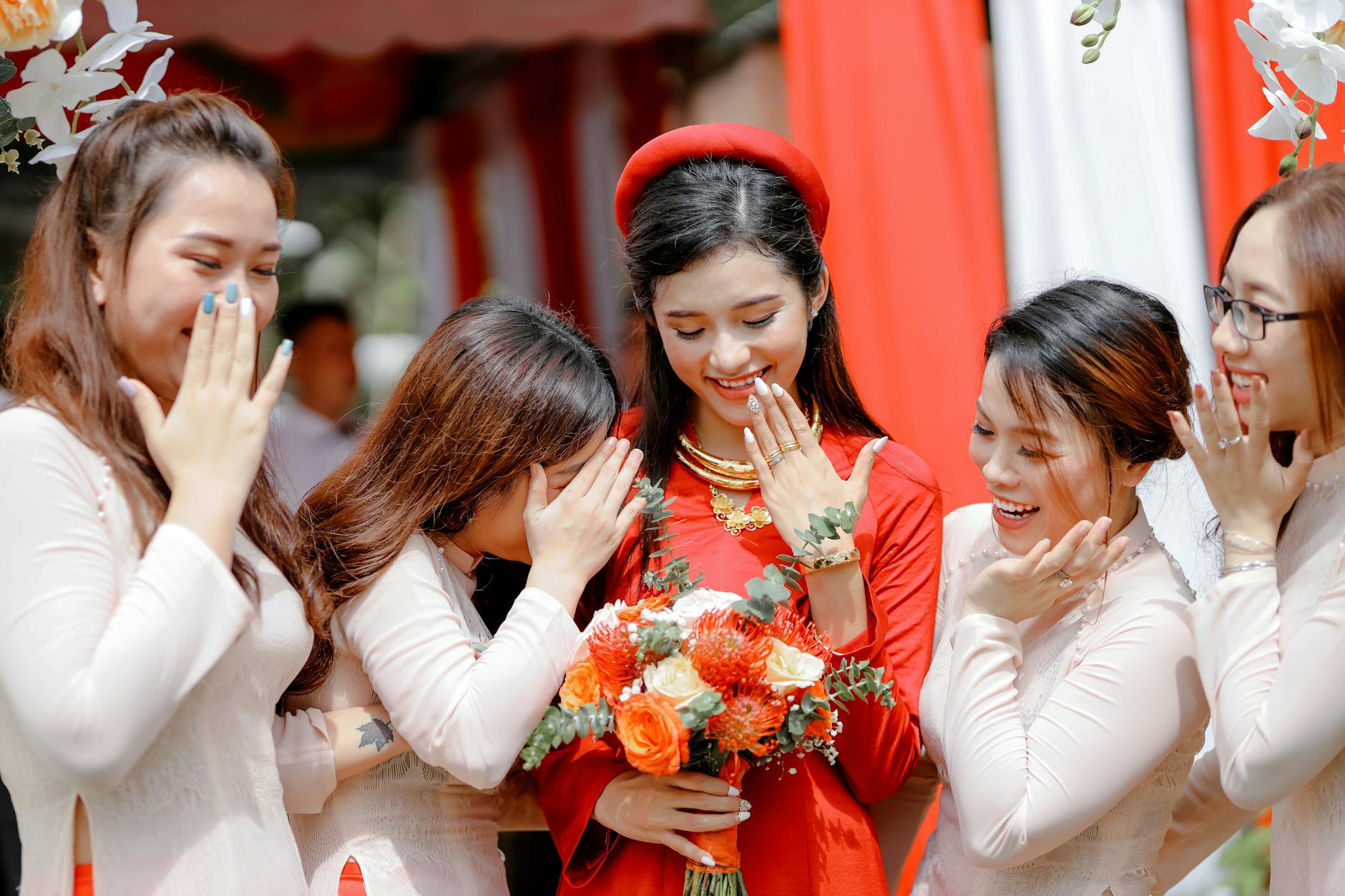
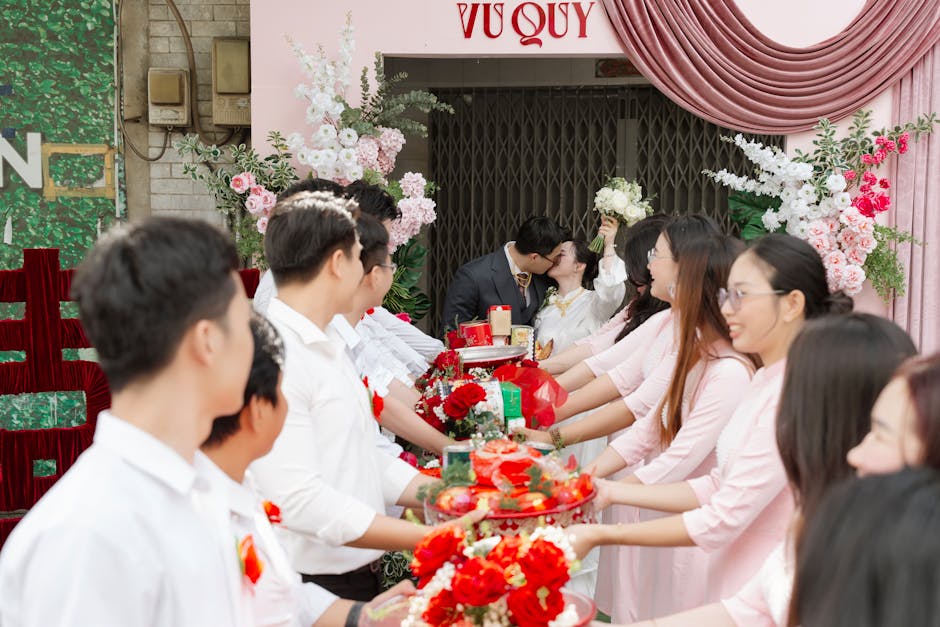
In Vietnamese weddings, jade carries profound emotional weight. Typically, the groom’s mother places a jade bracelet on the bride’s wrist during the ceremony. This gesture symbolizes acceptance into the family and wishes for good fortune. The tradition dates back centuries. Jade bracelets and pendants represent health, longevity, and enduring love between the couple. In most cases, the jewelry becomes a cherished heirloom passed through generations.
Jade vietnamese culture extends well beyond weddings. Parents give jade bracelets or pendants to newborns for protection against negative energy. During Tết (Lunar New Year), jade gifts are exchanged to bring prosperity in the coming year. The elderly in Vietnam traditionally prefer jade bangles. They believe the stone promotes health and longevity through daily wear. Each piece of jewelry carries a unique message through its motifs. Lotus flowers represent purity. Phoenix designs symbolize renewal. Spiral patterns connect to ancient folk spirituality that predates Buddhism in Vietnam.
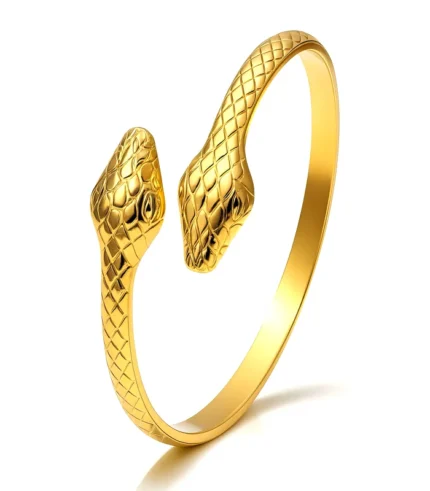
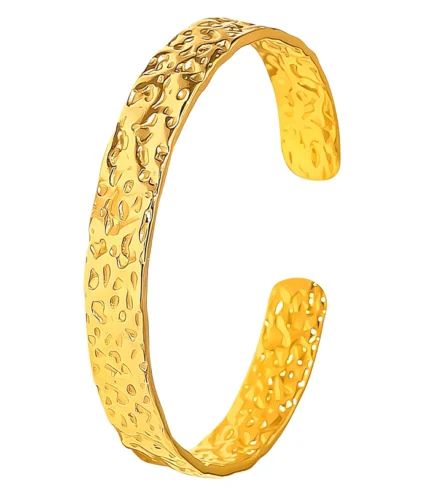
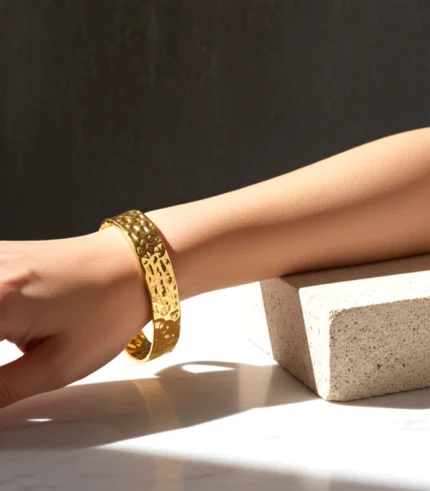
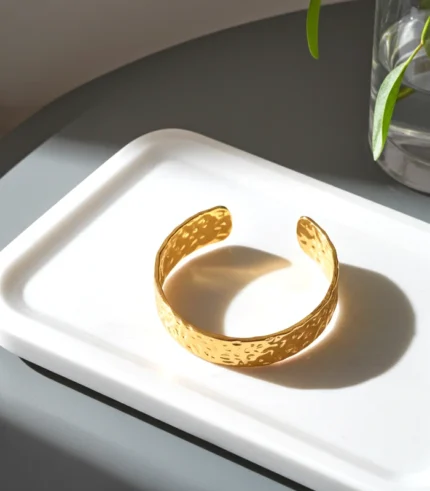
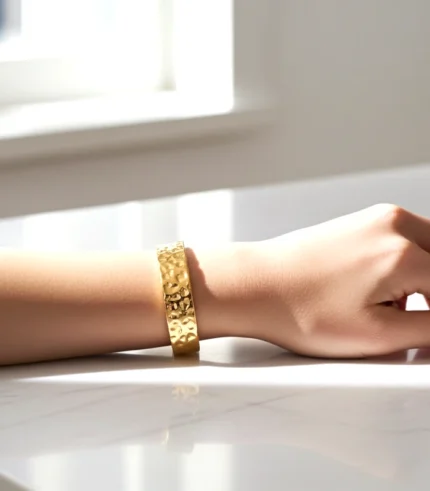
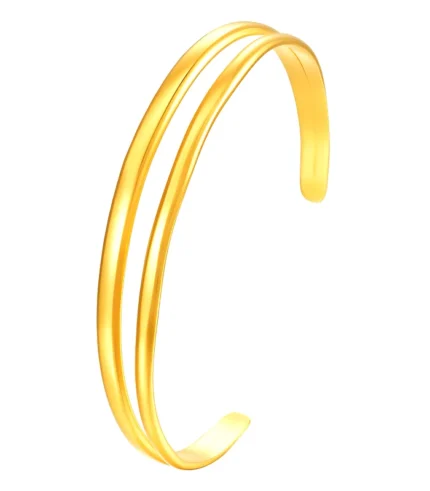
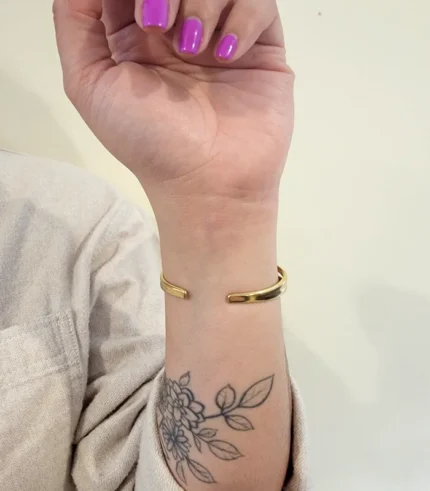
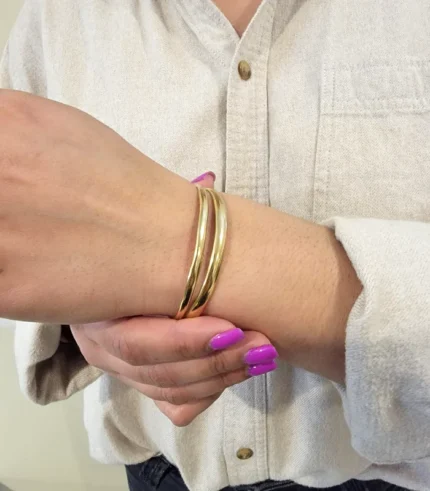
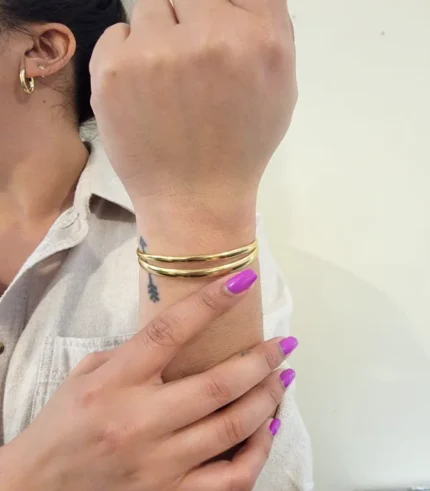
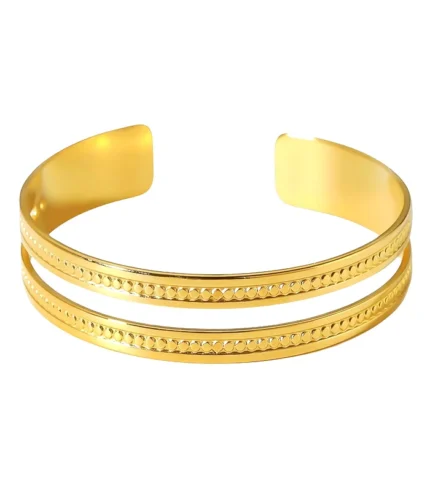
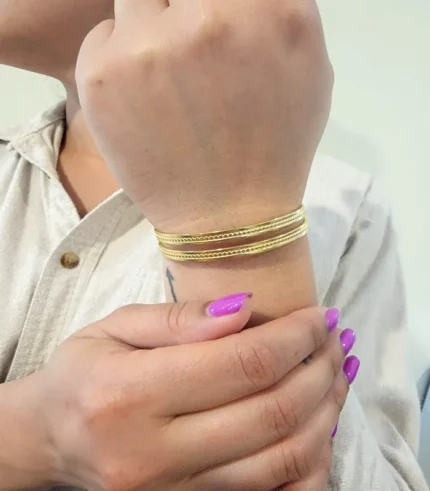
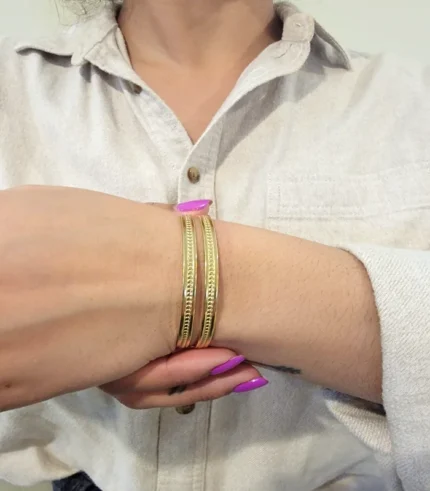
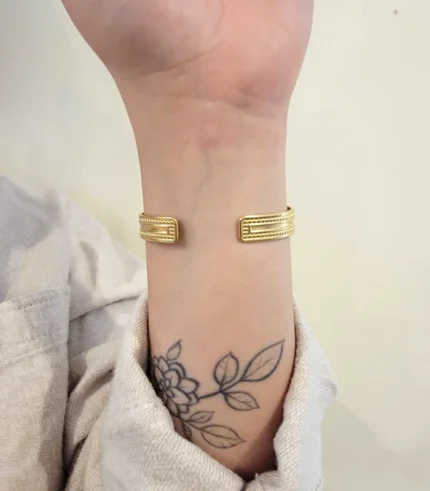
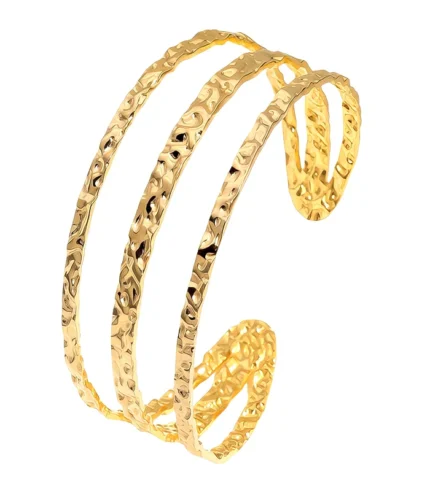
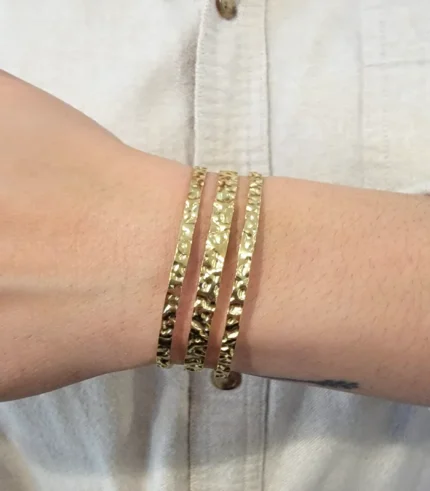
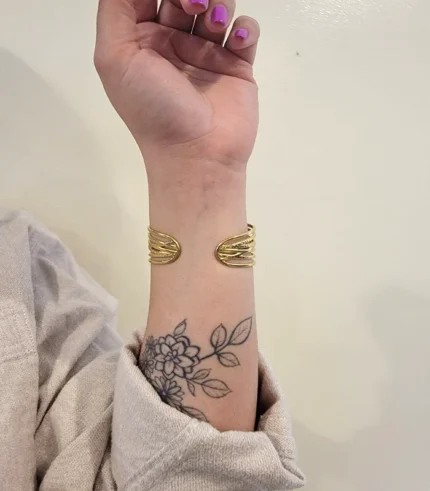
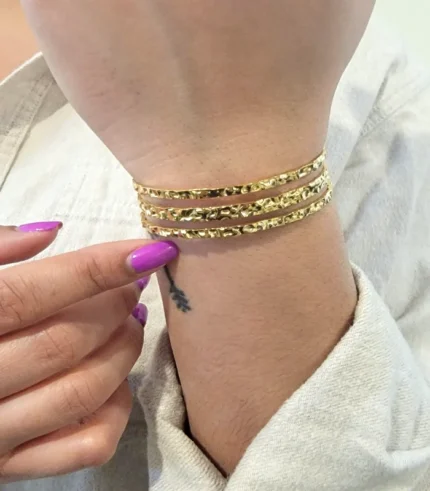
For modern brides who love jade’s symbolism, pairing a jade heirloom bracelet with contemporary gold jewelry creates a beautiful blend of tradition and personal style. 18K gold plated stainless steel pieces complement jade’s cool green tones perfectly. The warm gold finish adds modern elegance without overshadowing the jade’s cultural significance.

Understanding Vietnamese Jade: Nephrite, Jadeite, and Quality
Two distinct minerals qualify as true jade: nephrite and jadeite. Vietnam primarily produces nephrite jade from deposits in Sơn La Province, particularly the Co Phương area. This nephrite is typically opaque. It ranges from white to dark green. Artisans use it for carvings, Buddha statues, and feng shui items. However, the most prized jade in Vietnamese jewelry is jadeite, which is imported mainly from Myanmar.
According to the Gemological Institute of America, jadeite’s value depends on three factors. Color matters most. The finest variety is called Imperial Jade — a semi-transparent, vivid emerald green. Transparency ranks second. The best jadeite glows with an almost luminous quality. Texture completes the picture. Smooth, fine-grained jadeite commands the highest prices. Jade vietnamese culture has always recognized these quality differences intuitively. Imperial court jewelers selected only the finest stones for royal pieces.
When shopping for jade, authentication matters enormously. A large share of jade sold in tourist markets is chemically treated or dyed glass. Certified boutiques with traceable origins and fixed pricing offer the safest purchases. In Hanoi, Hàng Bạc Street (Silver Street) is the most established destination. In Ho Chi Minh City, the An Đông Jewelry Market in District 5 offers both jadeite and nephrite at various price points. Jade vietnamese culture demands respect for authenticity — a dyed imitation carries none of the spiritual meaning that genuine jade holds.
Styling Jade with Modern Gold Jewelry
Contemporary designers are reinterpreting jade in sleek, modern forms. This evolution makes jade vietnamese culture accessible to a new generation. Pairing jade pieces with 18K gold plated stainless steel jewelry creates a striking contrast. The cool green of jade against warm gold tones looks effortlessly refined. For example, a traditional jade bangle stacks beautifully with a minimalist gold chain bracelet. A jade pendant pairs well with dainty gold layering necklaces. Modern 18K gold plating on stainless steel is scratch-resistant, hypoallergenic, and designed for everyday wear — making it the perfect daily companion for heirloom jade.
Caring for both jade and gold plated jewelry is simple. Store each piece separately to prevent scratching. Remove jewelry before swimming or showering. Wipe pieces with a soft cloth after wearing. These easy habits take about 10 seconds and keep your collection looking beautiful for years. Jade vietnamese culture teaches that jewelry is meant to be worn and loved daily, not locked away. With the right care routine, both jade heirlooms and modern gold plated pieces maintain their beauty through constant wear.
Join the KartiKart community
10% off, on top of any current sale, your first order + early access to new collections
Free · No spam · Unsubscribe anytime
Frequently Asked Questions
Why is jade so important in Vietnamese culture?
Jade vietnamese culture connects to over 4,000 years of history. The stone symbolizes protection, prosperity, virtue, and longevity. Vietnamese families give jade at weddings, births, and Tết to carry blessings through generations.
What type of jade is used in Vietnamese jewelry?
Vietnam produces nephrite jade domestically from Sơn La Province. However, fine jewelry typically uses jadeite imported from Myanmar. Imperial Jade — a vivid, semi-transparent green jadeite — is the most valued variety in jade vietnamese culture.
Can you wear jade and gold jewelry together?
Absolutely. Combining jade with 18K gold plated stainless steel jewelry is a popular modern approach. The cool green tones of jade complement warm gold beautifully. This pairing honors jade vietnamese culture while adding contemporary versatility to your collection.
Shop Jewelry at KartiKart
Explore our collection of handcrafted 18K Gold Plated Stainless Steel jewelry. Every piece is designed for everyday elegance at an accessible price point.
Earrings · Necklaces · New Arrivals
Sources & Further Reading
For verified gemstone and jewelry information:
Content last reviewed May 2026. If you notice any outdated information, please contact us.
From the KartiKart shop
Wear what you just read about
Dainty, everyday pieces, handpicked by a husband-and-wife team. Free U.S. shipping, gift-ready packaging, 30-day easy returns, and 5% of every order goes to organizations fighting human trafficking.
Shop bracelets →