Jade Buddha Pendants: Meaning and Etiquette
Jade buddha pendant necklaces carry more meaning per gram than almost any other piece of jewelry. They are worn daily across China, Vietnam, Thailand, and increasingly the West. However, most buyers know very little about what they are actually wearing. The stone has a precise mineralogy.
The carved figure has a specific identity, and it is usually not the one people assume. The customs around wearing it follow their own logic. This guide covers all three. You will learn what the carving represents, how jade is graded, and how to wear one respectfully. Typically, a little context makes the piece feel far more personal on the chain.
What the Carving on a Jade Buddha Pendant Really Depicts
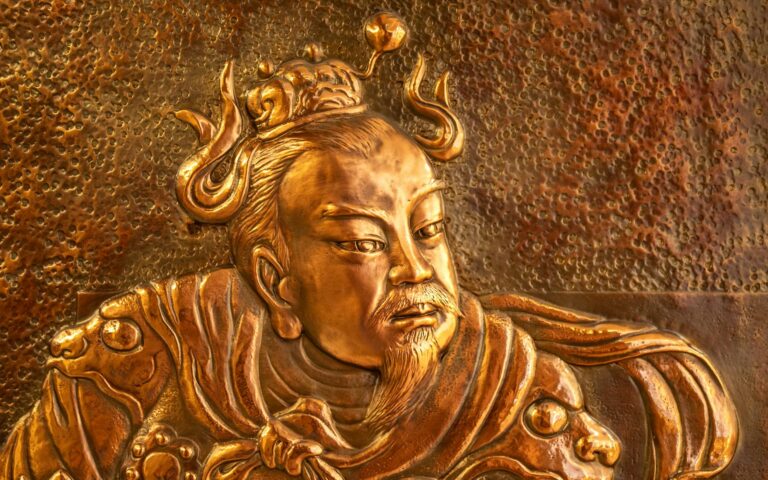
The round, smiling figure on most pendants is not Gautama Buddha. It is Budai, a semi-legendary Chinese monk from the late Tang to Five Dynasties period, often dated to the 10th century. His name literally means “cloth sack.” That refers to the bag he carries while wandering. In Chan and Zen tradition, he is regarded as an incarnation of Maitreya, the future Buddha. Western sellers frequently call him the “Fat Buddha,” which blurs two very different figures. You can read the full history on Wikipedia’s entry for Budai.
His large belly is not comic relief. In most cases it symbolizes abundance, forgiveness, and a generous heart. The open laugh represents contentment rather than wealth alone. So a jade buddha pendant is closer to a reminder than a charm. It asks you to carry things lightly.
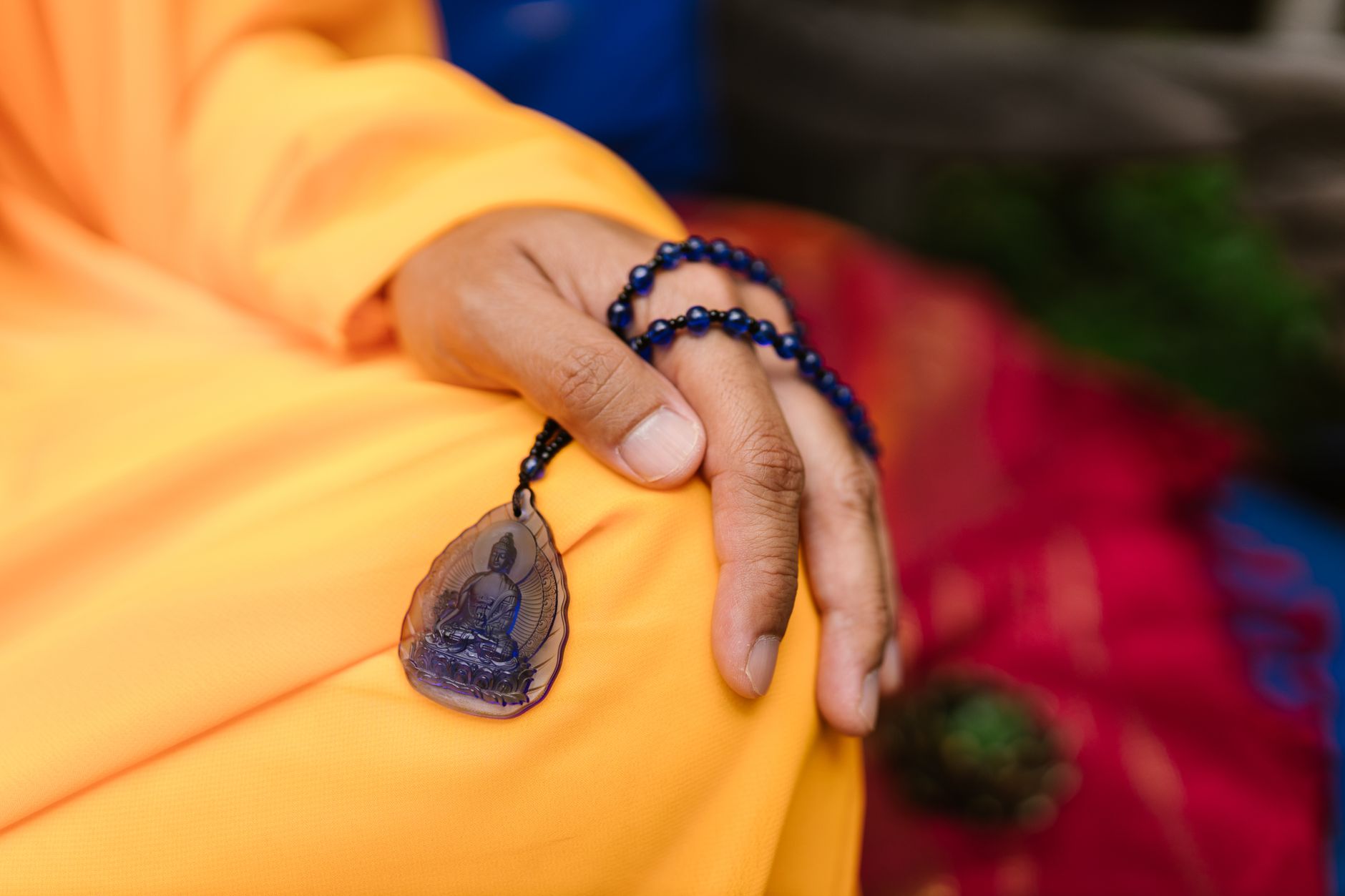
Not every jade buddha pendant shows Budai, for example. Some depict Guanyin, the bodhisattva of compassion. Others show a seated meditating Buddha. Knowing which one you own changes how you talk about it.
Shop white & blue jade necklaces
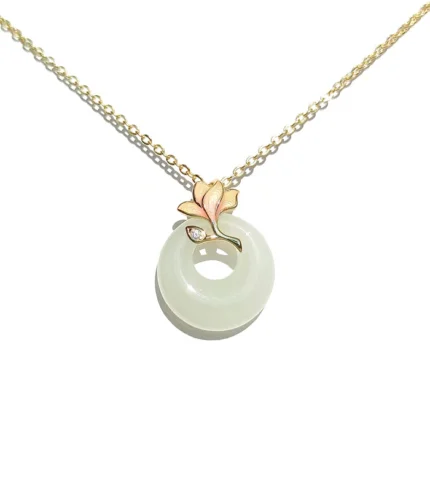
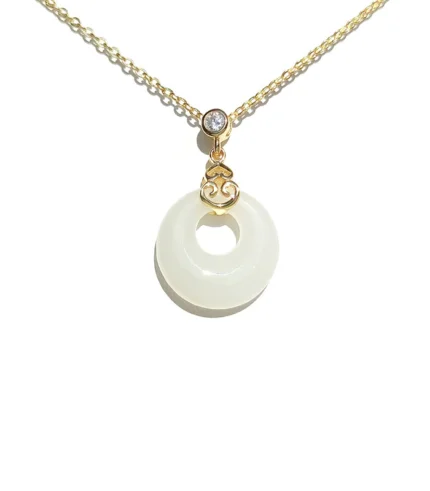
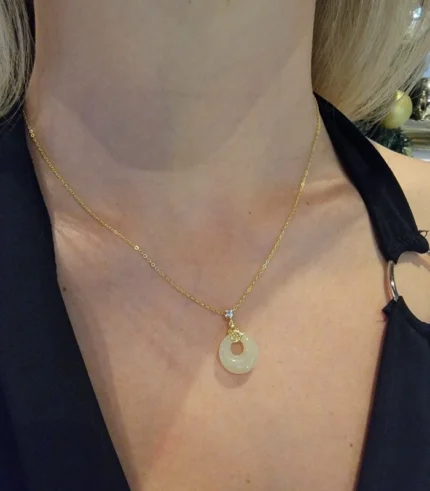
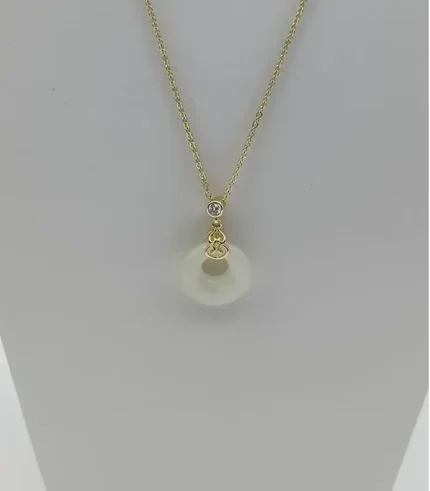
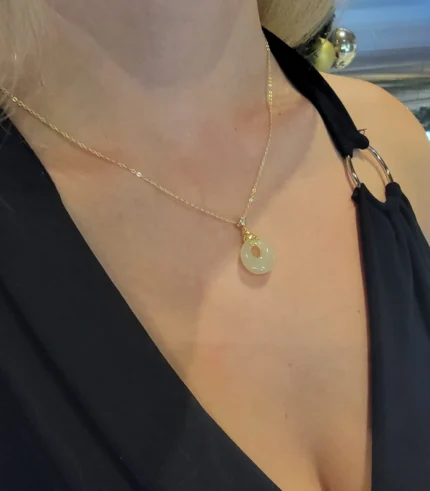
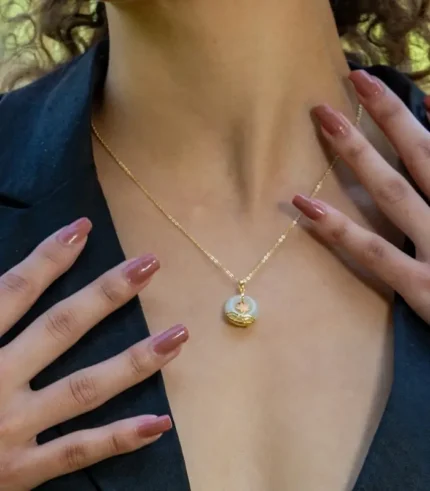
View all →Genuine White Jade Bi Disc Necklace in 14K Gold Plated Silver
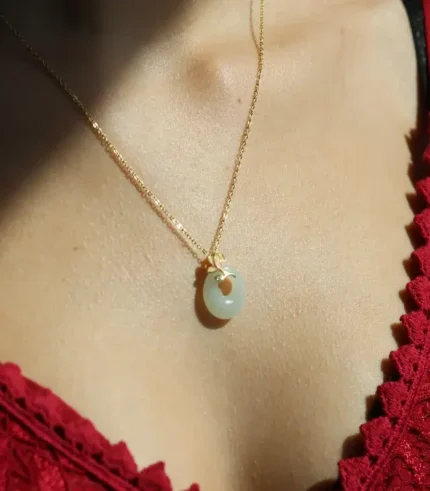
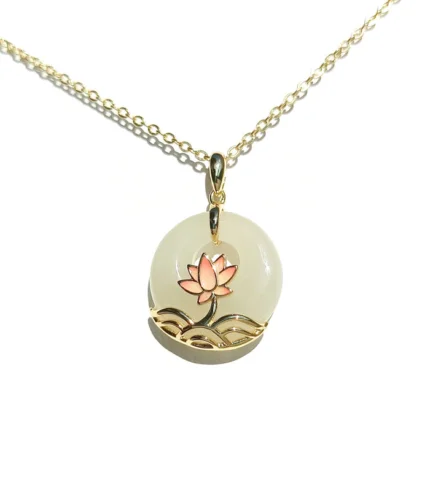
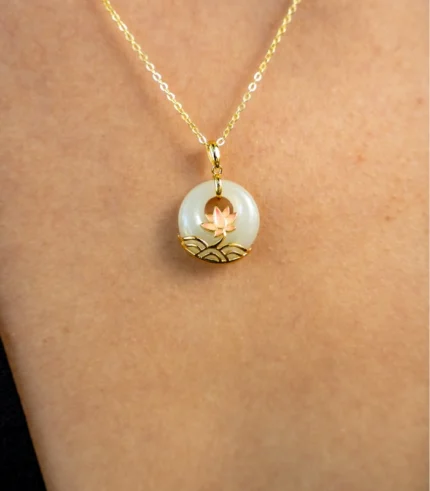
Original price was: $85.00.$76.50Current price is: $76.50.Genuine White Jade Lotus Necklace
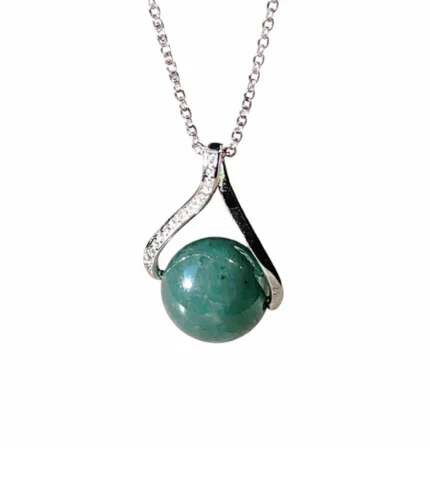
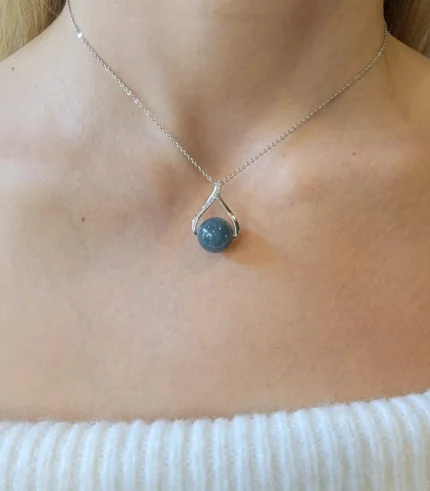
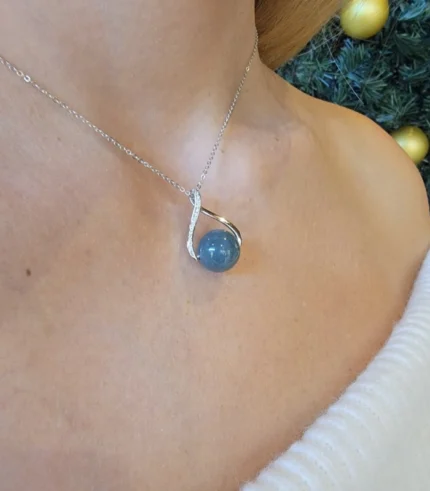
Original price was: $85.00.$76.50Current price is: $76.50.Genuine Blue Jade Round Necklace in Sterling Silver
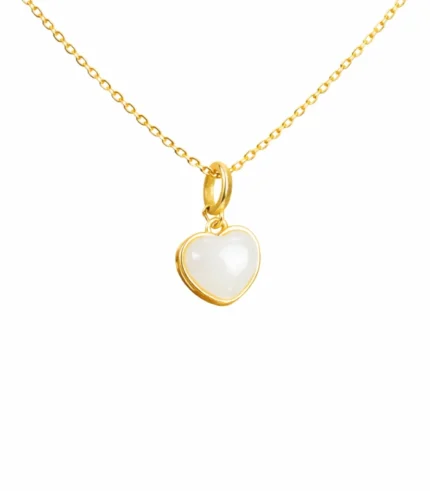
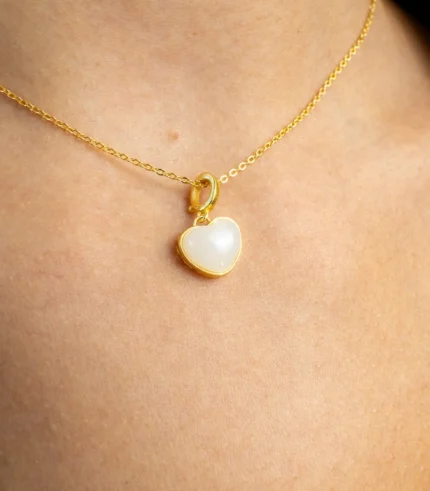
Original price was: $85.00.$76.50Current price is: $76.50.Genuine White Jade Heart Pendant Necklace in 14K Gold Plated Sterling Silver
Original price was: $85.00.$76.50Current price is: $76.50.

Jadeite, Nephrite, and How Jade Is Actually Graded
“Jade” is not one mineral. It is two. French mineralogist Alexis Damour separated them in 1863. Nephrite is a calcium magnesium silicate from the amphibole family. Jadeite is a sodium aluminum silicate from the pyroxene family. Nephrite sits around 6 to 6.5 on the Mohs scale. Jadeite sits slightly higher, at 6.5 to 7. Both are exceptionally tough because of their interlocking fibrous structure. That toughness is why jade survives detailed carving. The GIA jade description page covers both species in depth.
Most gem-quality jadeite comes from Kachin State in Myanmar. Nephrite is mined in China, Russia, Canada, New Zealand, and Wyoming. Nephrite is far more common, so it costs considerably less.
Treatment matters more than species. GIA describes a three-tier system used widely in China and Hong Kong. Type A is natural, polished with wax only. Type B has been bleached and impregnated with polymer or resin. Type C has been dyed. Some stones are both, labeled B+C. Type B and C material can fade or degrade over time. GIA explains the process in detail on its page about “B” jade.

Jade Buddha Pendant Etiquette and Wearing Customs
Most etiquette around a jade buddha pendant is folk custom, not Buddhist doctrine. That distinction is worth stating plainly. No scripture requires these habits. However, they are widely observed, and observing them signals respect.
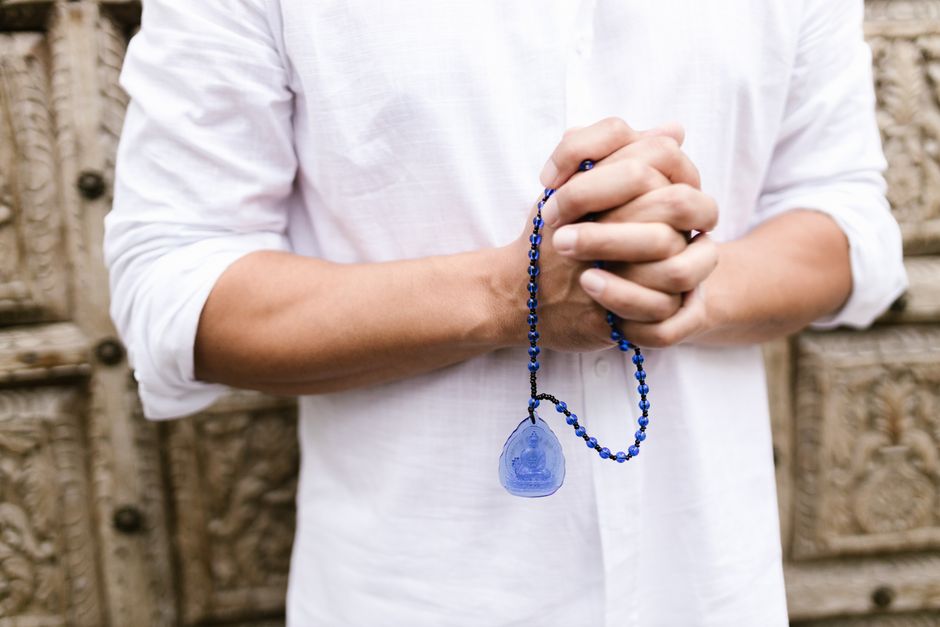
The most consistent custom is height. The pendant is traditionally worn above the waist, resting against the chest. It is not tucked into a pocket or clipped to a belt. Many wearers remove it before showering or swimming. That habit happens to be good for the chain too.
An old Chinese saying advises that men wear Guanyin and women wear Buddha. The idea is one of balance rather than restriction. In practice, plenty of people ignore it. There is also a widespread belief that a jade buddha pendant received as a gift carries more meaning than one bought for yourself. Treat that as sentiment, not a rule.
Storage follows the same principle. The piece is typically kept in a pouch or box, not tossed on a nightstand with keys and coins. For example, a small fabric pouch prevents both scratches and disrespectful handling. Wearing it into a temple is fine. Most people simply tuck it inside their shirt.
Choosing and Caring for a Jade Buddha Pendant
Ask for Type A documentation before you buy. Look for even color without dye pooling inside surface cracks. Hold the piece up to light and check for a soft internal glow. Crisp carving on the face and fingers signals a skilled cutter. Vivid, uniform green at a very low price usually means dye. In most cases, a modest natural stone ages better than a treated bright one.
Join the KartiKart community
10% off, on top of any current sale, your first order + early access to new collections
Free · No spam · Unsubscribe anytime
The chain deserves equal thought. Warm gold flatters green and lavender jade beautifully. An 18K gold plated stainless steel chain is the smart choice here. It looks identical to solid gold, stays lightweight against the collarbone, and modern plating technology makes it far more durable than older methods.
It is hypoallergenic, scratch-resistant, and built for daily wear. Better still, you can own five chain lengths and styles for the price of one solid gold chain. That variety lets you restyle the same jade buddha pendant endlessly. Care takes ten seconds: wipe with a soft cloth, remove before the shower or pool, and store it in its pouch.
Frequently Asked Questions
Can anyone wear a jade buddha pendant, or only Buddhists?
Anyone may wear one. Buddhism has no membership rule for jewelry. Most practitioners simply ask that the figure be treated with basic respect.
How do I tell if my jade buddha pendant is real jade?
Real jade feels cool to the touch and is surprisingly dense for its size. However, those tests are unreliable on their own. A gemological lab report is the only definitive answer.
Should the Buddha face outward or toward my body?
There is no fixed rule. Most people wear the carved face outward so the detail is visible. Comfort and how the pendant naturally hangs matter more than tradition here.
Shop Jewelry at KartiKart
Explore our collection of handcrafted 18K Gold Plated Stainless Steel jewelry. Every piece is designed for everyday elegance at an accessible price point.
Earrings · Best Sellers · New Arrivals
Sources & Further Reading
For verified gemstone and jewelry information:
Content last reviewed July 2026. If you notice any outdated information, please contact us.
From the KartiKart shop
Wear what you just read about
Dainty, everyday pieces, handpicked by a husband-and-wife team. Free U.S. shipping, gift-ready packaging, 30-day easy returns, and 5% of every order goes to organizations fighting human trafficking.
Shop white & blue jade necklaces →Pieces our readers love
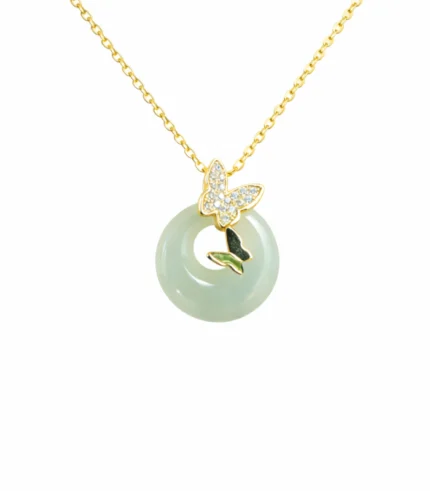
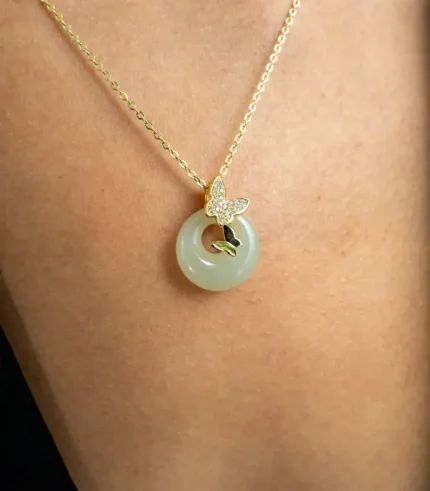
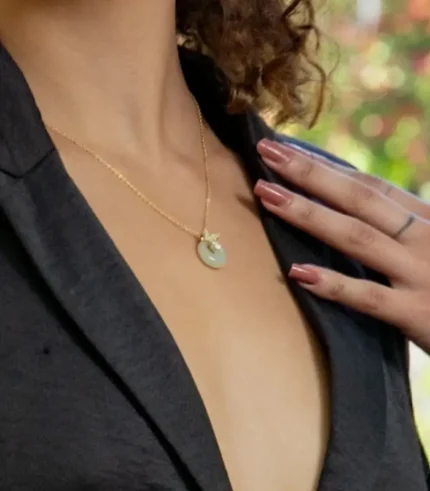
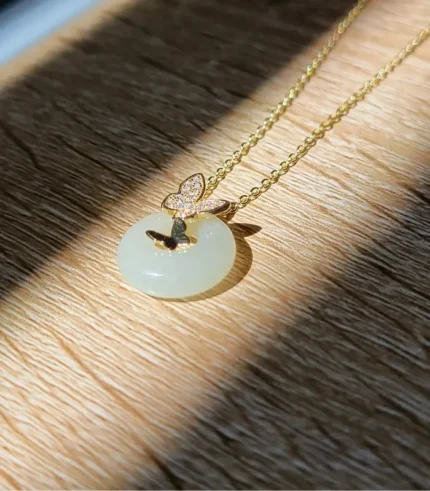
View all →Genuine White Jade Butterfly Necklace in 14K Gold Plated Silver
Original price was: $85.00.$76.50Current price is: $76.50.Genuine White Jade Flower Pendant Necklace in 14K Gold Plated Sterling Silver
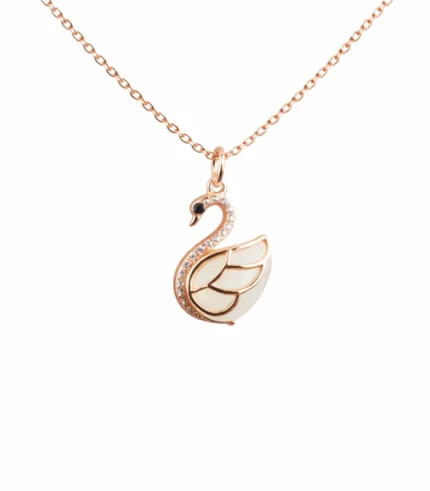
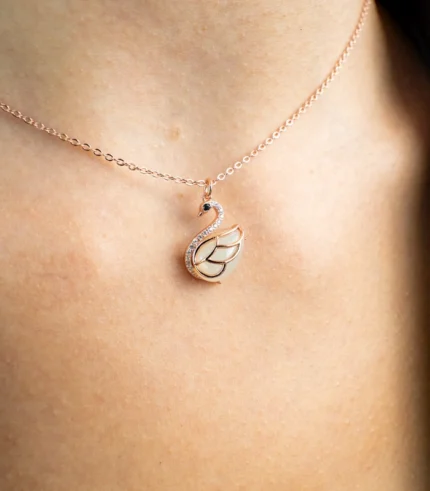
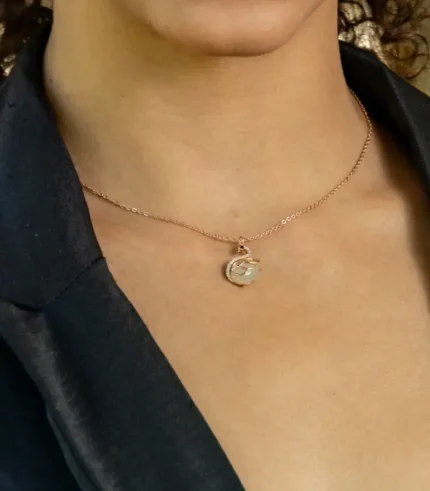
Original price was: $85.00.$76.50Current price is: $76.50.Genuine White Jade Swan Necklace in 14K Rose Gold Plated Silver
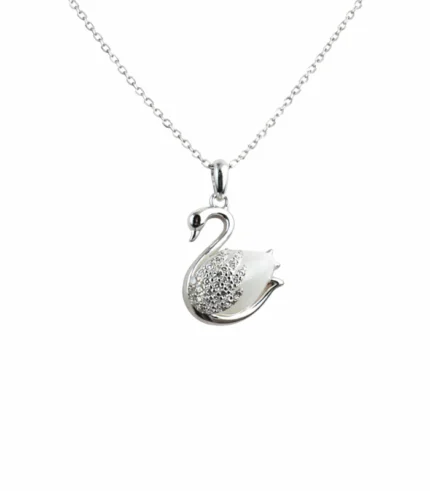
Original price was: $85.00.$76.50Current price is: $76.50.Genuine White Jade Swan Necklace in Sterling Silver
Original price was: $85.00.$76.50Current price is: $76.50.