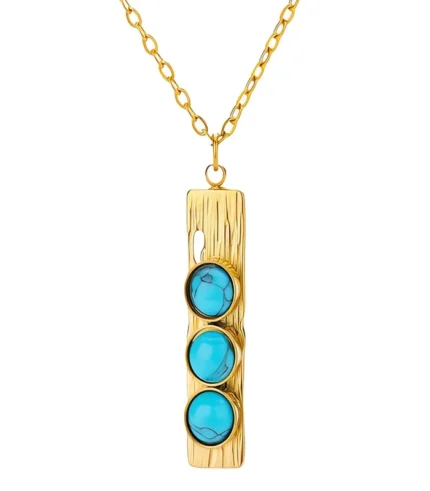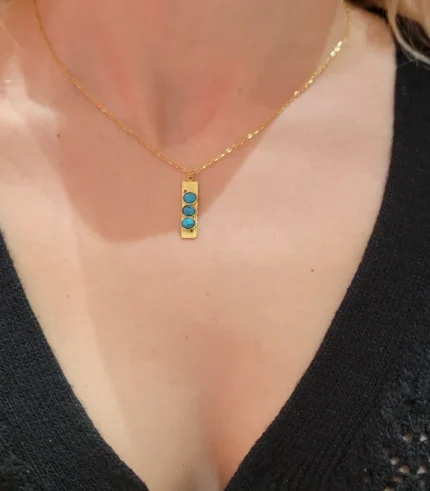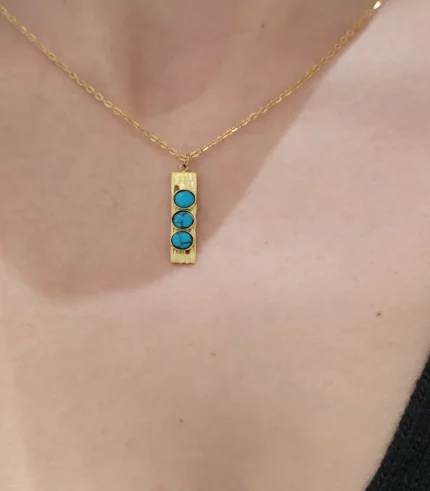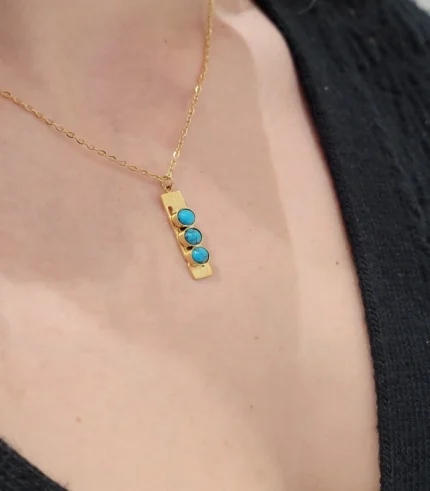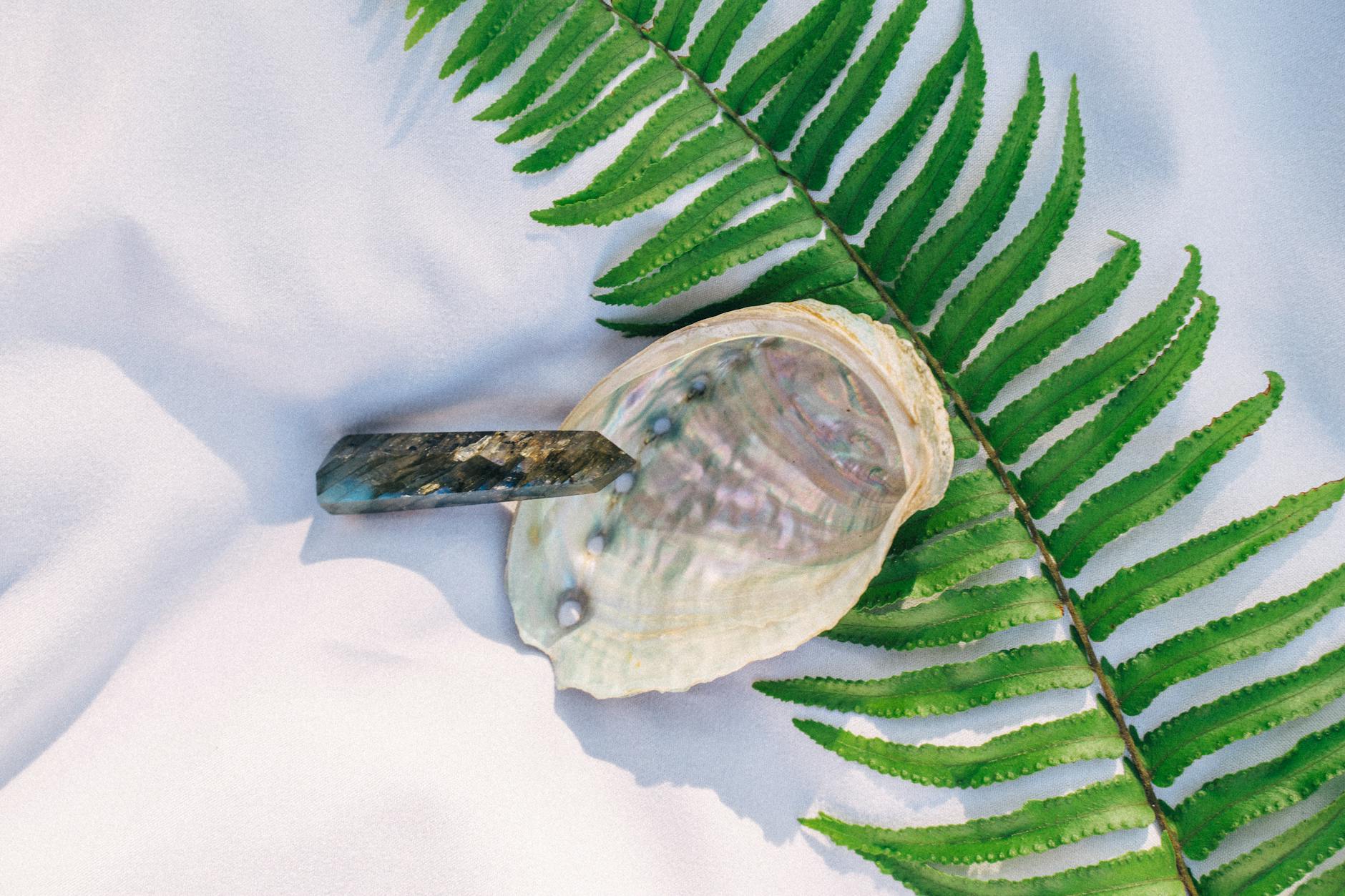
Labradorite Pendant: Color Shifting Stone for Any Outfit
Labradorite pendant jewelry captures one of nature’s most striking visual tricks. This gemstone belongs to the plagioclase feldspar mineral family. It rates 6 to 6.5 on the Mohs hardness scale. What makes it special is labradorescence — a flash of spectral color that shifts as you move.
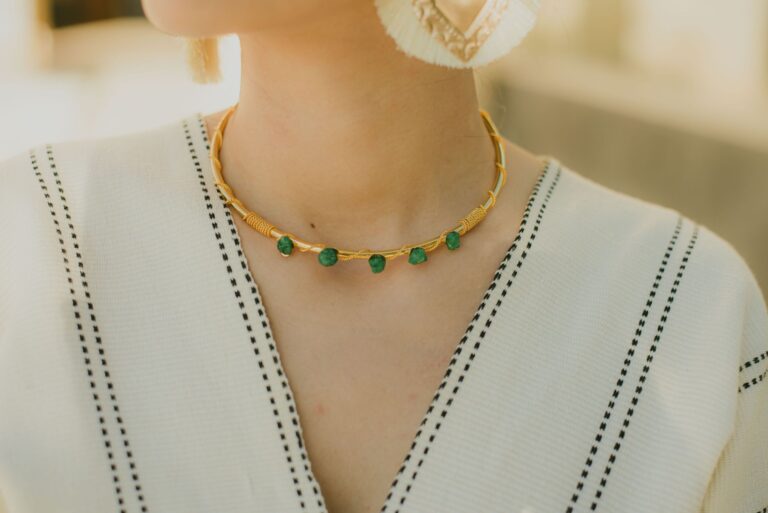
Blues, greens, golds, and even fiery oranges appear across the stone’s surface. The base color is typically dark gray to black. This dark backdrop makes those color flashes even more vivid. A labradorite pendant paired with 18K gold plated stainless steel creates an eye-catching contrast. The warm gold tones complement every shade the stone displays. It’s the kind of piece that starts conversations without trying.
What Makes a Labradorite Pendant So Unique
The magic behind every labradorite pendant is an optical phenomenon called labradorescence. This effect happens because of the stone’s internal structure. During formation, two mineral compositions — albite and anorthite — separate into microscopic layers. These layers are only 50 to 100 nanometers thick. When light hits these layers, it reflects off the interfaces between them. Constructive interference then amplifies certain wavelengths of light. The result is vivid, nearly pure spectral colors.
This is a structural color effect, similar to a butterfly wing or an oil film on water. It is not caused by pigment. Thinner internal layers produce blue and violet flashes. Thicker layers create warmer tones like gold, orange, and red. For example, Finnish labradorite — known as spectrolite — often shows the full color spectrum. However, most labradorite pendant stones display blue and green as their dominant colors. Each stone is genuinely one of a kind.
Shop tarnish-free gold-plated necklaces
View all →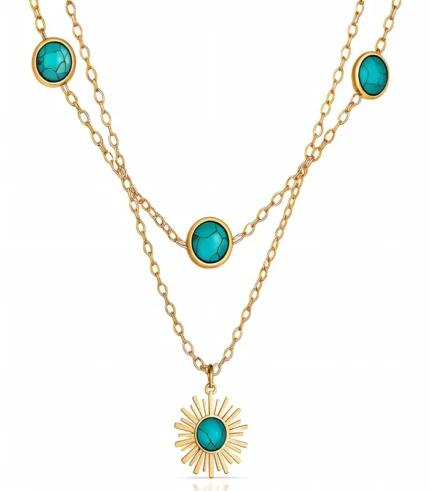
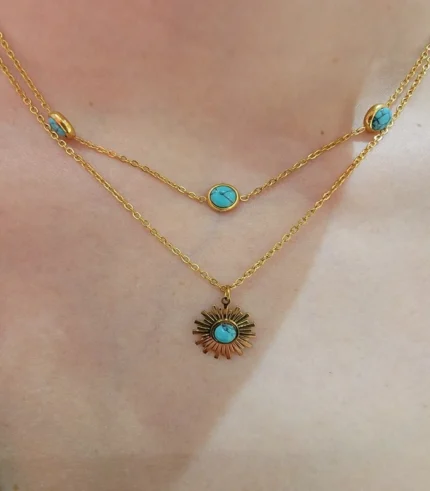

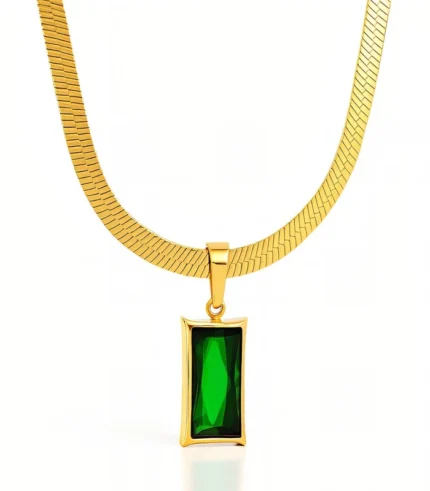
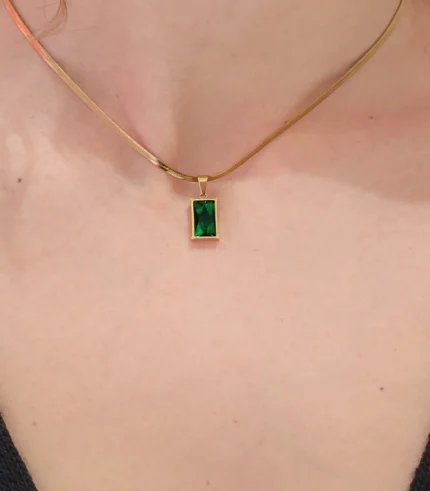
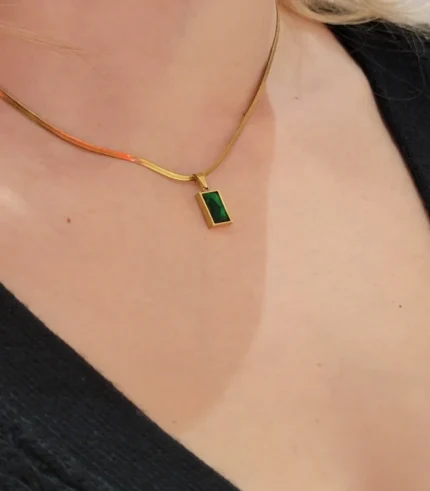

Where Labradorite Comes From — Origins and History
Labradorite was first documented in 1770 by Moravian missionaries near Nain, Labrador, Canada. The Inuit people already knew the stone well before that. In their tradition, the Northern Lights were once trapped in coastal rocks. A warrior struck the stone with his spear and released most of the light into the sky. The colors that remained became labradorite. German mineralogist Abraham Gottlob Werner formally named the mineral in 1780.
Today, labradorite comes from several regions worldwide. Madagascar is a major commercial source, especially the Mananjary region. Finland produces the prized spectrolite variety, discovered in 1940 at Ylämaa. Russia’s Kola Peninsula and India also supply significant quantities. The Smithsonian National Museum of Natural History holds notable labradorite specimens in its permanent collection. This global availability keeps labradorite pendant prices accessible. You can own a genuine color-shifting gemstone without a luxury price tag.
How to Choose the Right Labradorite Pendant
When shopping for a labradorite pendant, pay attention to the color play first. Look for stones with bright, vivid flashes rather than dull, muted ones. In most cases, blue and green are the easiest colors to find. Gold and orange flashes are rarer and typically command slightly higher prices. Full-spectrum stones showing purple, blue, green, and orange are the most sought after.
The cut matters significantly. Labradorite pendant stones are almost always shaped as cabochons — smooth, polished domes. This cut maximizes the color display. A skilled cutter orients the stone so the labradorescence faces directly toward the viewer. Oval shapes are the most common. However, pear, round, and freeform cabochons also work beautifully. The GIA Gem Encyclopedia classifies labradorite within the broader feldspar family alongside moonstone and sunstone.
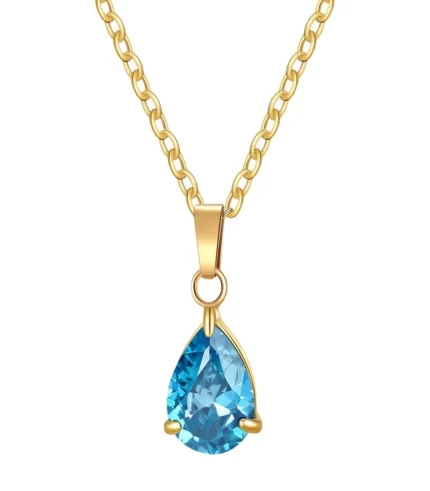
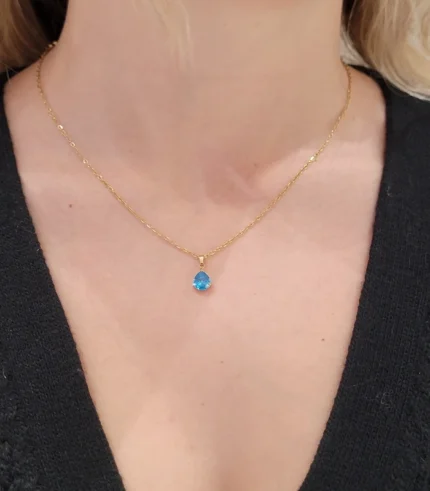
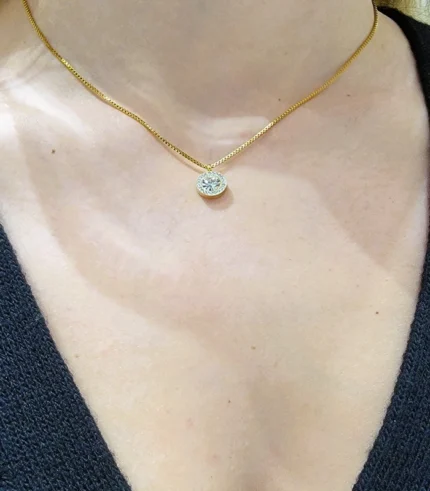
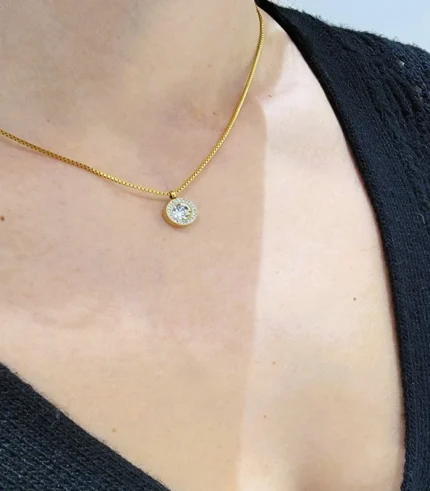
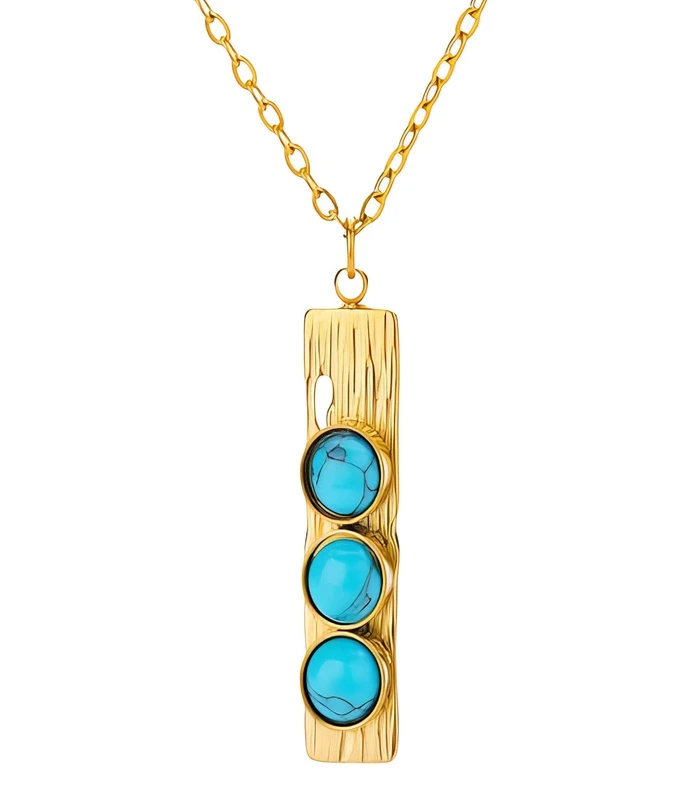
The metal setting also affects the overall look. Bezel settings are ideal for a labradorite pendant because the metal rim protects the stone’s edges. An 18K gold plated stainless steel bezel adds warmth that enhances the stone’s golden flashes. Gold plating on stainless steel is scratch-resistant, hypoallergenic, and designed for everyday wear. You get the look of solid gold with the durability of surgical-grade steel underneath. Typically, this means you can invest in several labradorite pendant styles for the price of one solid gold piece.
Caring for Your Labradorite Pendant
A labradorite pendant needs just a few easy habits to stay beautiful. Clean it with lukewarm water and a drop of mild soap. Use a soft cloth to gently wipe the surface. Avoid ultrasonic cleaners — the vibration can damage labradorite’s internal lamellar structure. Similarly, skip steam cleaners and harsh chemicals like bleach or ammonia. These precautions take about 10 seconds and keep your stone brilliant for years.
Store your labradorite pendant separately from harder gemstones like diamonds or sapphires. A soft pouch or lined jewelry box works perfectly. Remove your pendant before applying perfume or lotion. For your 18K gold plated stainless steel chain, simply wipe it down after wearing and store it dry. Modern plating technology makes these pieces far more durable than older methods. With minimal effort, both the stone and the setting will look stunning every time you wear them.
Join the KartiKart community
10% off, on top of any current sale, your first order + early access to new collections
Free · No spam · Unsubscribe anytime
Frequently Asked Questions
Is a labradorite pendant suitable for everyday wear?
Yes, a labradorite pendant is one of the best ways to wear this stone daily. Pendants experience less impact than rings or bracelets. At 6 to 6.5 on the Mohs scale, labradorite handles normal daily activities well when worn as a necklace.
Why does my labradorite pendant change color when I move?
The color shift happens because of light interacting with microscopic internal layers in the stone. Different viewing angles cause different wavelengths to reflect back to your eye. This is labradorescence — a structural color effect, not a coating or treatment.
Can I wear a labradorite pendant in the shower?
It’s best to remove your labradorite pendant before showering. Soap residue can dull the stone’s surface over time. Simply slip it off and set it on your counter — this 10-second habit keeps the color play vivid and your gold plated chain gleaming.
Shop Jewelry at KartiKart
Explore our collection of handcrafted 18K Gold Plated Stainless Steel jewelry. Every piece is designed for everyday elegance at an accessible price point.
New Arrivals · Best Sellers · Necklaces
Sources & Further Reading
For verified gemstone and jewelry information:
Content last reviewed April 2026. If you notice any outdated information, please contact us.
From the KartiKart shop
Wear what you just read about
Dainty, everyday pieces, handpicked by a husband-and-wife team. Free U.S. shipping, gift-ready packaging, 30-day easy returns, and 5% of every order goes to organizations fighting human trafficking.
Shop tarnish-free gold-plated necklaces →