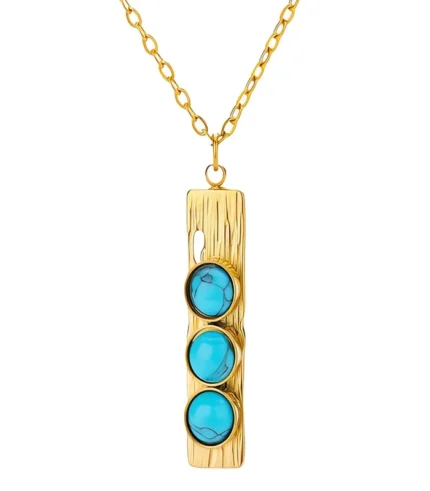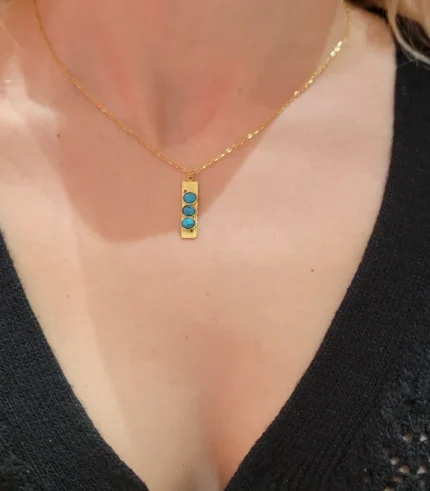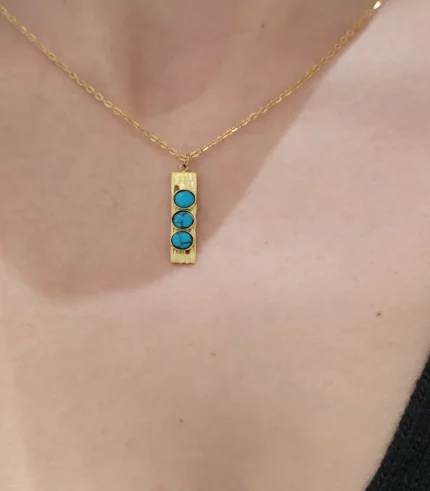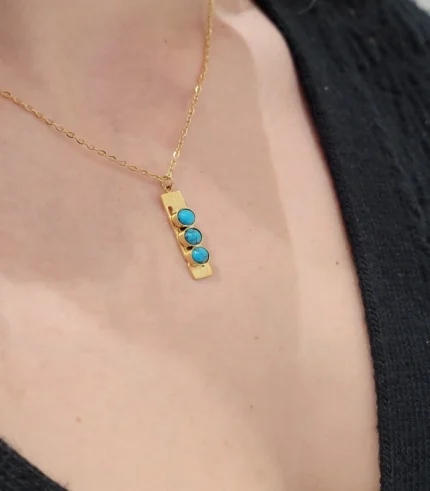
Malachite Pendant: Bold Green Patterns That Make a Statement
Malachite pendant jewelry has captivated wearers for thousands of years. This striking green stone features bold, swirling bands that no two pieces share. Its chemical formula is Cu₂CO₃(OH)₂ — a copper carbonate hydroxide mineral. That copper content creates the intense green color malachite is famous for. Ancient civilizations mined malachite at sites like the Great Orme Mines in Britain over 3,800 years ago. Today, a malachite pendant remains one of the most eye-catching ways to wear natural stone jewelry. The patterns range from tight concentric circles to wide sweeping bands. Each stone tells its own geological story.
What Makes a Malachite Pendant So Distinctive
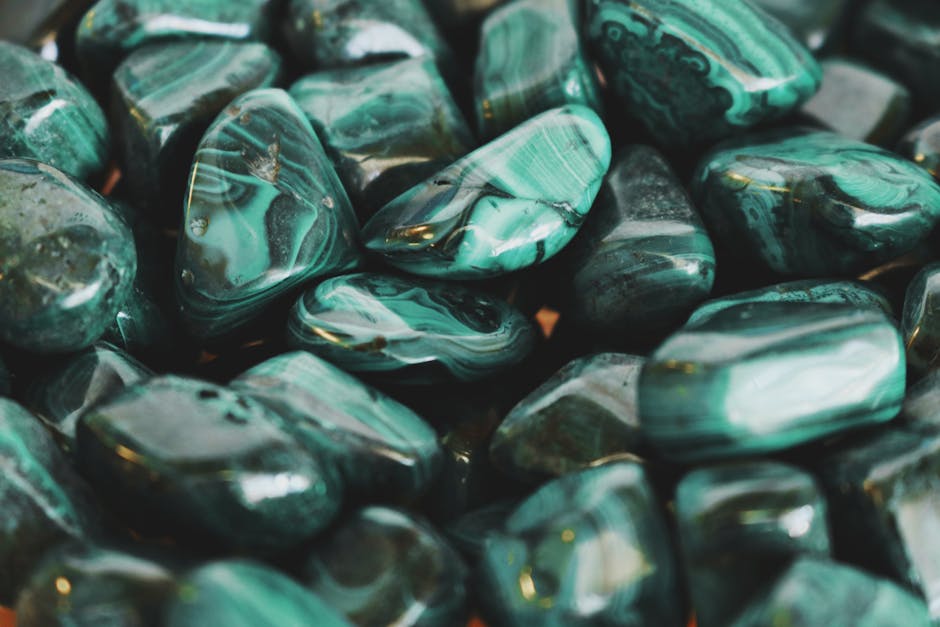
Malachite is an opaque gemstone. Unlike transparent gems that sparkle with light, malachite draws attention through its layered green patterns. These bands form naturally as copper-rich water deposits mineral layers over millions of years. The result is a stone with dramatic contrast between light and dark green zones. No two malachite pendants look alike. That uniqueness is a major part of the appeal.
The stone rates 3.5 to 4 on the Mohs hardness scale. For comparison, quartz sits at 7 and diamond at 10. This means malachite is a softer gemstone. However, pendant settings protect the stone beautifully. A well-designed bezel or frame shields the surface from daily contact. This is why pendants are one of the best ways to wear malachite — the stone hangs safely against clothing rather than bumping against hard surfaces.
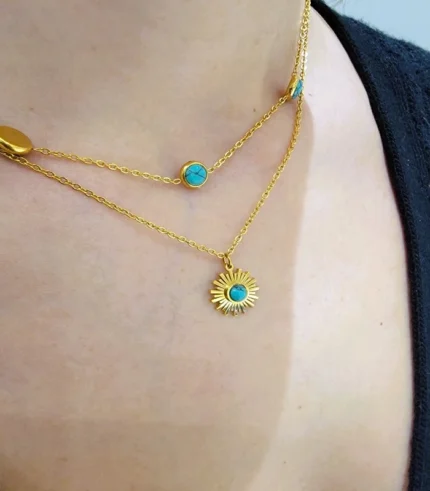
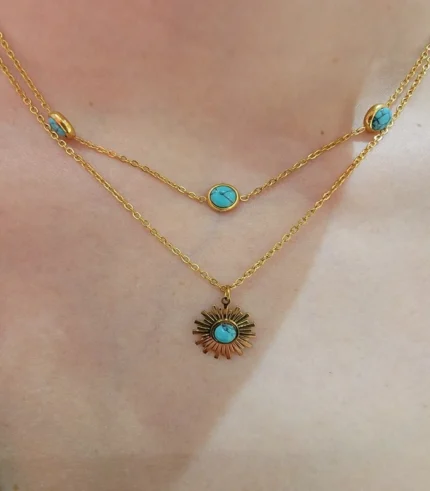
Shop tarnish-free gold-plated necklaces
View all →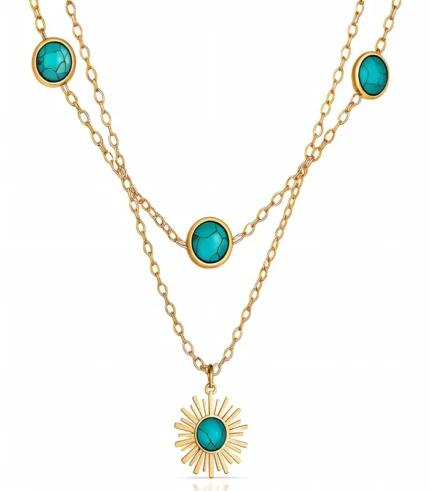


Where Malachite Comes From and Why It Matters
The world’s finest malachite comes from the Democratic Republic of the Congo. This region produces stones with the tightest, most defined banding patterns. Russia has historically been another major source. In fact, Russian artisans created stunning malachite columns and vases for the Winter Palace in St. Petersburg. Typically, Russian malachite shows broader, more dramatic bands.
Other notable sources include Zambia, Namibia, Mexico, and Arizona in the United States. Each region produces slightly different pattern characteristics. For example, Congolese malachite often features classic bullseye patterns. Arizona specimens tend toward lighter green tones. When choosing a malachite pendant, the origin can influence both the look and the value of the stone.
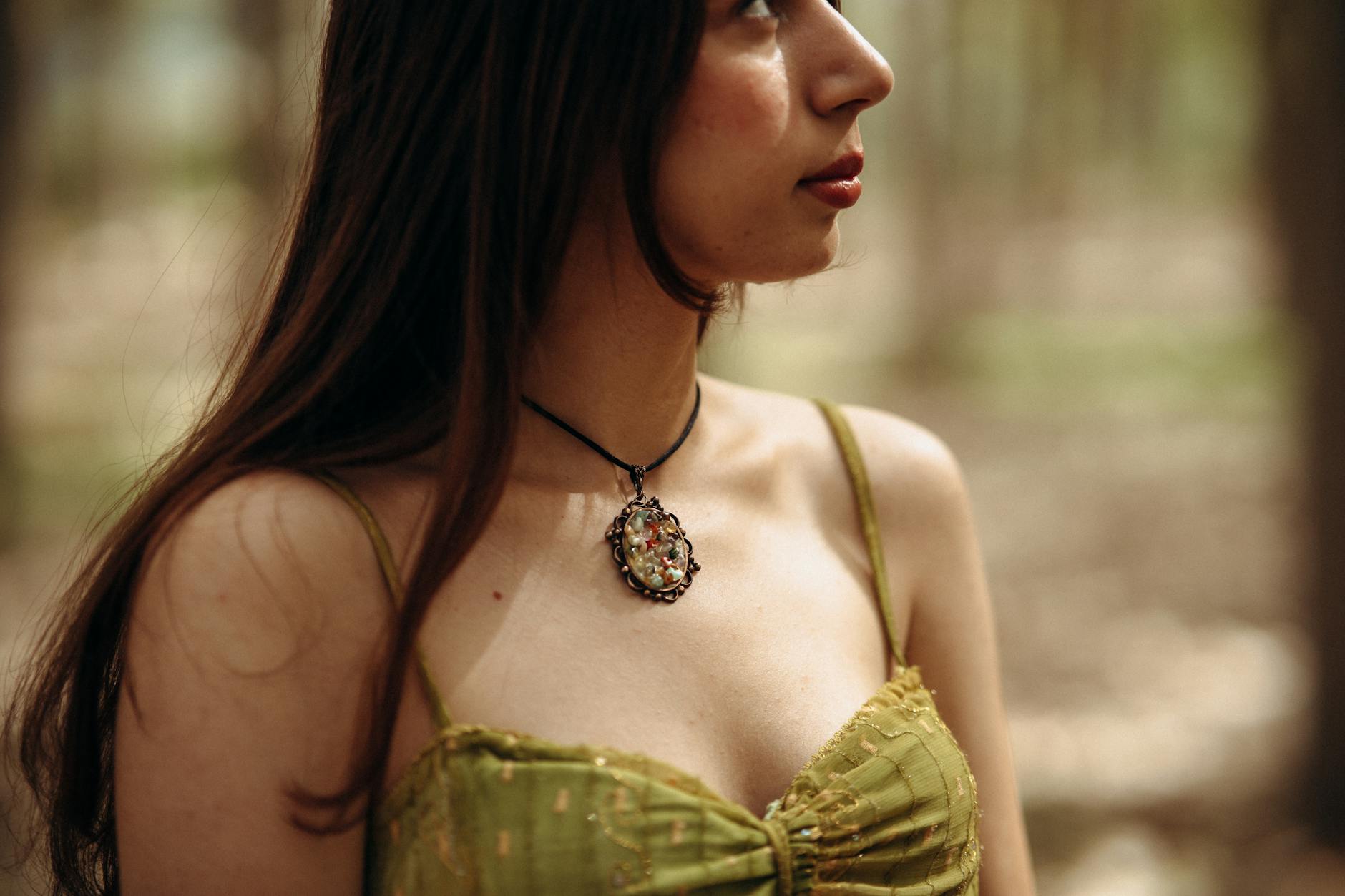
In most cases, jewelers select malachite with strong contrast between its green layers. The more defined the banding, the more striking the pendant appears when worn. Stones are typically cut as cabochons — smooth, rounded shapes that showcase the natural patterns best.
How to Choose a Malachite Pendant That Stands Out
Pattern quality matters most when selecting a malachite pendant. Look for clean, well-defined bands with strong contrast. Blurry or muddy patterns indicate lower-grade material. The best specimens show crisp lines between light and dark green zones. Hold the pendant at arm’s length. If the pattern reads clearly from that distance, it will look stunning when worn.
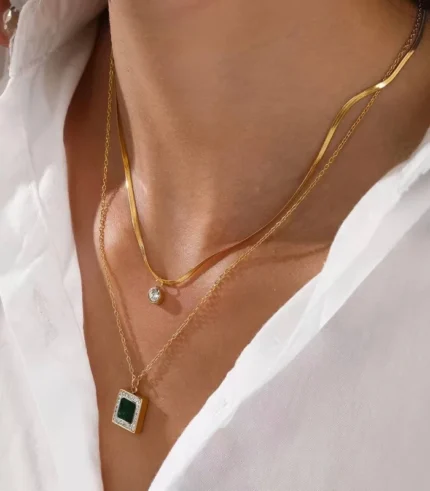
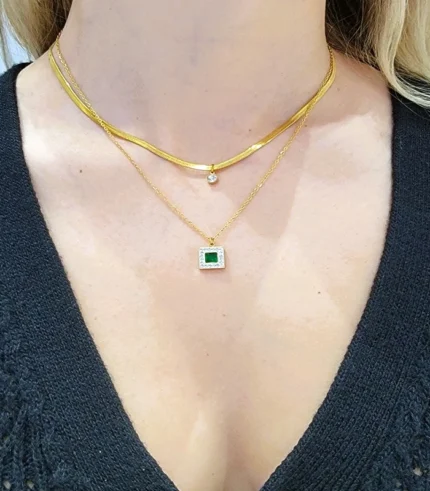
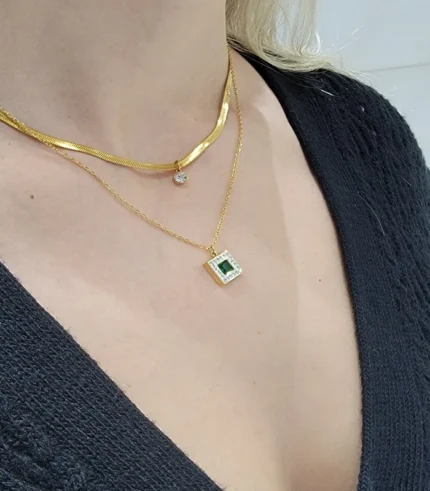
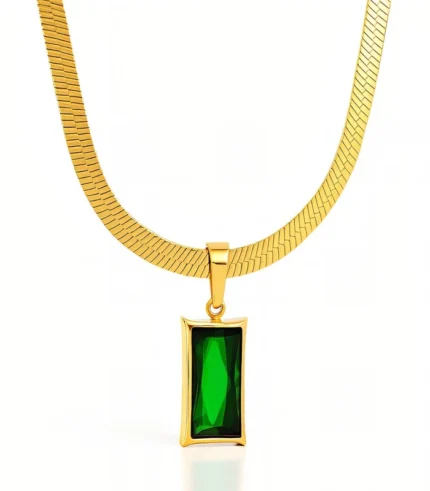
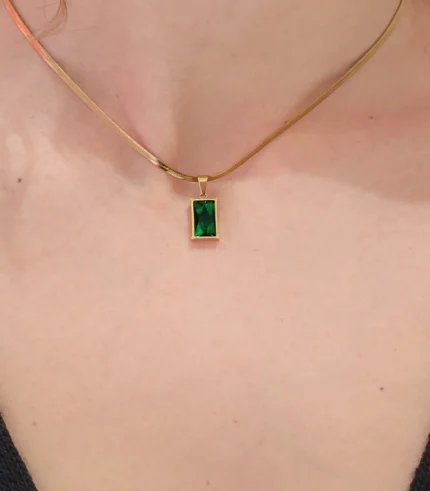
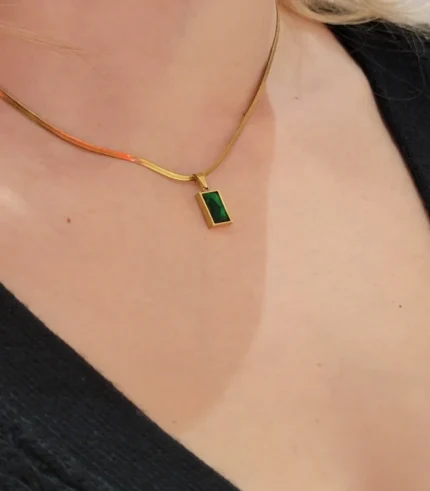
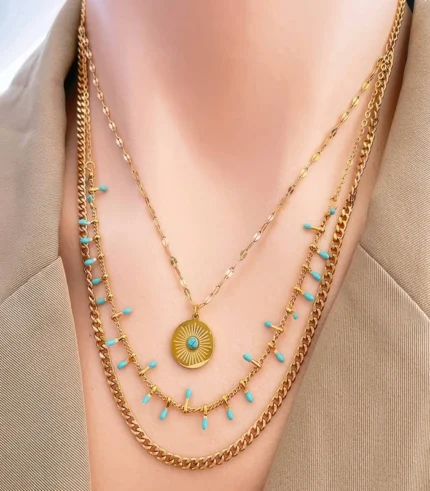
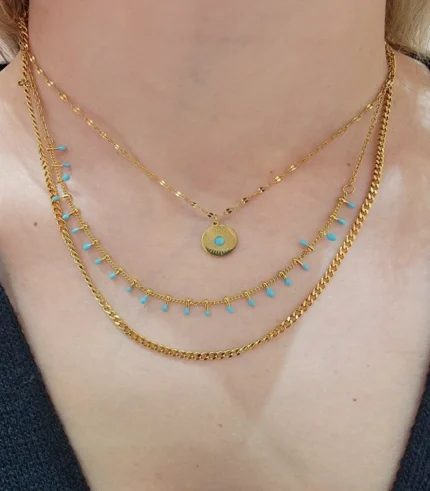
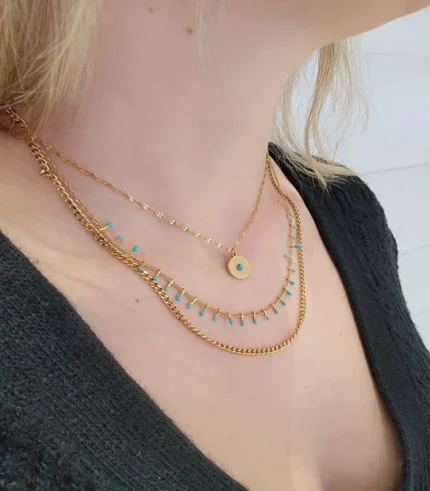
The metal setting plays a crucial role too. Gold tones complement malachite beautifully. The warm yellow of 18K gold plating against cool green stone creates a luxurious contrast. Modern 18K gold plated stainless steel offers the perfect combination — the rich look of gold with scratch-resistant, hypoallergenic durability. This pairing lets you invest in a quality stone without overspending on the metal. You could own several malachite pendant styles for the price of one solid gold setting.
Size also affects the visual impact. A malachite pendant between 15mm and 25mm hits the sweet spot. Large enough to display the banding patterns clearly. Small enough to wear comfortably every day. Oval and teardrop shapes tend to showcase the most pattern area.
Caring for Your Malachite Pendant
Malachite requires just a few simple habits to stay beautiful. Remove your pendant before swimming or showering. Water exposure over time can dull the polish. Store it separately from harder gemstones that could scratch the surface. A soft cloth pouch works perfectly. To clean, simply wipe with a dry or barely damp microfiber cloth. Avoid ammonia-based cleaners entirely. These easy 10-second habits keep a malachite pendant looking vibrant for years.
However, the metal setting needs attention too. With 18K gold plated stainless steel, care is straightforward. The plating resists tarnish and scratching far better than older plating methods. Just keep it dry when storing and your malachite pendant stays ready to wear whenever the moment calls for bold green elegance.
Join the KartiKart community
10% off, on top of any current sale, your first order + early access to new collections
Free · No spam · Unsubscribe anytime
Frequently Asked Questions
Is malachite safe to wear as jewelry?
Yes. Polished malachite in a pendant setting is completely safe against skin. The Smithsonian’s mineral collection includes many polished malachite specimens. The copper content only poses concerns in raw, powdered form during cutting — never in finished jewelry.
Can I wear a malachite pendant every day?
A malachite pendant works well for daily wear. The hanging position protects it from impacts that would affect a ring or bracelet. Simply remove it before water activities. In most cases, everyday wear actually keeps the polish looking its best through gentle contact with clothing.
Why does malachite have green bands?
The bands form from copper mineral deposits layering over time. Each green stripe represents a different growth period with varying copper concentrations. This natural process takes millions of years. It is the reason every malachite pendant carries a completely unique pattern — nature never repeats itself exactly.
Shop Jewelry at KartiKart
Explore our collection of handcrafted 18K Gold Plated Stainless Steel jewelry. Every piece is designed for everyday elegance at an accessible price point.
New Arrivals · Best Sellers · Earrings
Sources & Further Reading
For verified gemstone and jewelry information:
Content last reviewed April 2026. If you notice any outdated information, please contact us.
From the KartiKart shop
Wear what you just read about
Dainty, everyday pieces, handpicked by a husband-and-wife team. Free U.S. shipping, gift-ready packaging, 30-day easy returns, and 5% of every order goes to organizations fighting human trafficking.
Shop tarnish-free gold-plated necklaces →