The Quiet Luxury Movement and Why Understated Jewelry Is Dominating Fashion Right Now
Understated jewelry is not a passing trend — it is a full-scale redirection in how women spend, wear, and think about the pieces they put on every day. The global minimalist jewelry market hit $6.8 billion in 2025 and is projected to climb to $12.1 billion by 2034, growing at a steady 6.5% annually, according to Intel Market Research. That kind of sustained growth does not happen because of a fleeting aesthetic moment on social media. It happens because something fundamental has shifted in what people want from luxury.
The quiet luxury movement, sometimes called “stealth wealth,” has migrated from fashion runways into the jewelry box. Where oversized logos and heavy statement necklaces once dominated, the pieces gaining ground now are minimal, unbranded, and chosen for how they feel rather than what they announce. Think whisper-thin chains, barely-there pendants, and simple gold rings meant to be stacked, not showcased. Industry analysts have described this as “a fundamental shift in how we think about luxury goods” — not a seasonal blip but a reflection of broader cultural moves toward mindful consumption and sustainability. This article breaks down why this shift is happening now, what the data actually shows about where women are spending, how understated jewelry fits into a modern wardrobe without looking plain, and what to consider when choosing pieces that hold up to the quiet luxury standard — including why 18K gold plated stainless steel has become one of the smartest ways to build a versatile, polished collection.
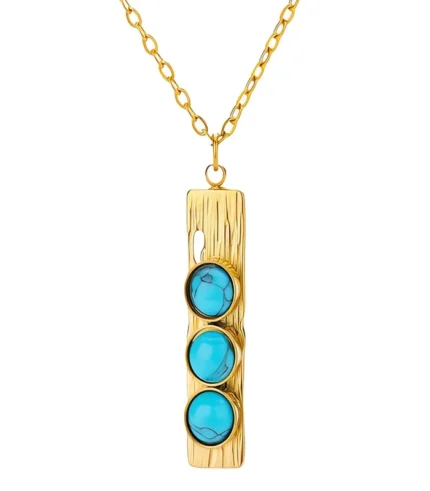
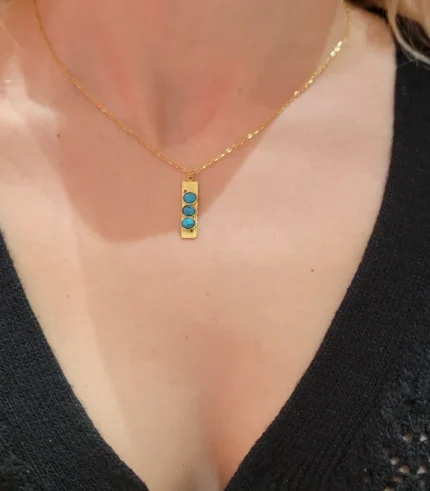
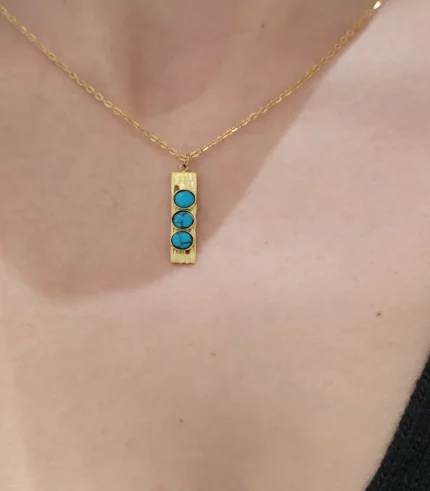
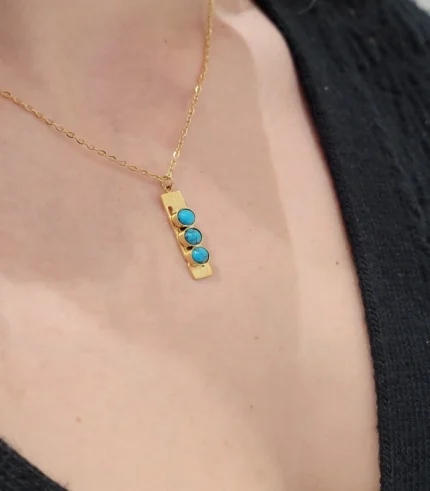
Explore our collection of handpicked jade jewelry at KartiKart — minimalist pieces built to last.
Table of Contents
- Why Is Understated Jewelry Dominating Fashion Right Now?
- The Shift from Quiet Luxury to Mindful Luxury
- How to Build an Understated Jewelry Collection That Actually Works
- Gold Plated vs. Gold Filled vs. Solid Gold — Different Approaches for Different Priorities
- Where Quiet Luxury Jewelry Falls Short — and When to Go Bold Instead
- The Asia Pacific Factor and What It Means for Global Trends
- Where Understated Jewelry Goes from Here
- Conclusion
Why Is Understated Jewelry Dominating Fashion Right Now?
The short answer is that the definition of status has changed. Bain & Company and Altagamma identified what they called a “tectonic shift” in luxury spending — consumers are moving away from traditional luxury goods and toward experiences like fine dining, travel, and hospitality. Overall luxury spending reached €1.44 trillion globally in 2025, but the high-end tier of the market, roughly 40% of it, actually contracted between 2023 and 2025 at a rate of negative 1% to 3%.
women are not spending less on themselves. They are spending differently. When it comes to jewelry specifically, the broader luxury jewelry market is still enormous — valued at $54.27 billion in 2025 with projections reaching $116.17 billion by 2034 at a CAGR of 8.83%.
But the growth is not happening in flashy, logo-driven pieces. It is happening in the understated jewelry segment. Millennials and Gen Z are the primary drivers, fueled by rising disposable income and the accessibility of e-commerce, and they overwhelmingly favor clean, minimal designs over anything that screams for attention.
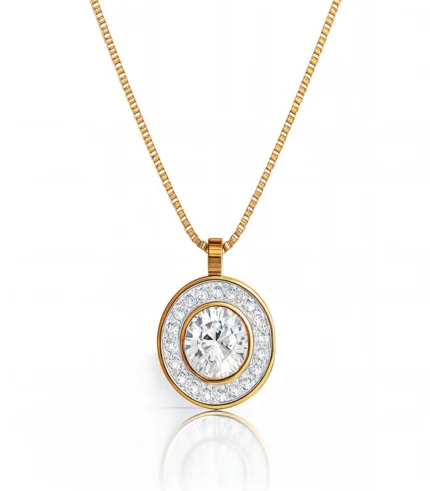
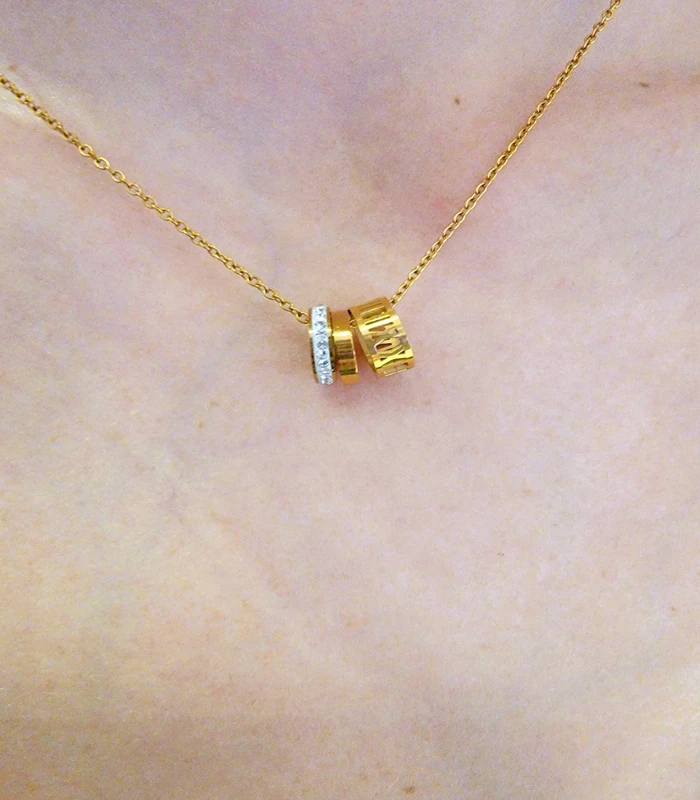
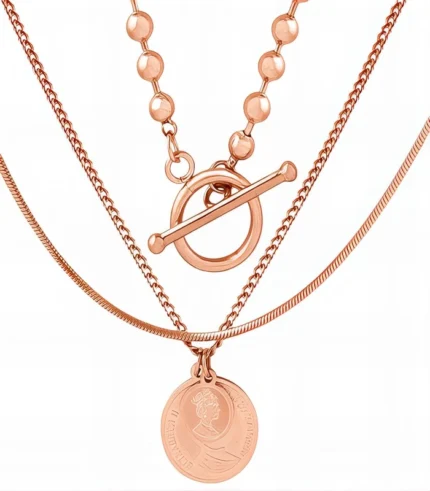
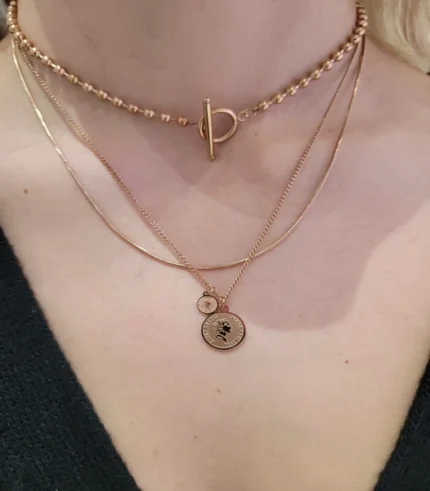
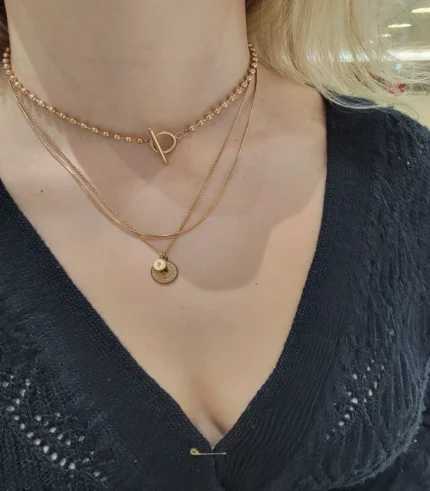
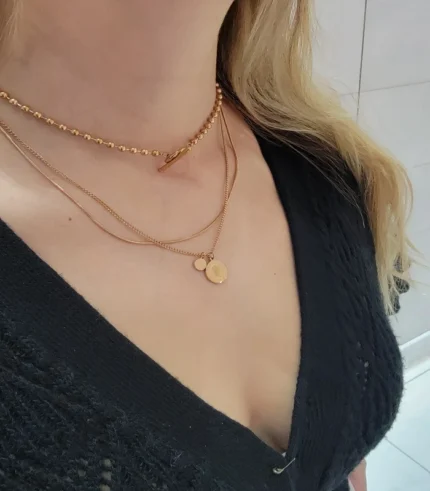
Compare this to even five years ago, when chunky chain necklaces and branded hardware dominated Instagram feeds. Today, the pieces gaining traction are bezel-set diamonds, simple huggie hoops, and layered gold chains so fine you almost miss them. The status symbol is no longer what logo is on your wrist.
It is the quiet confidence of wearing something beautiful that does not need to explain itself.
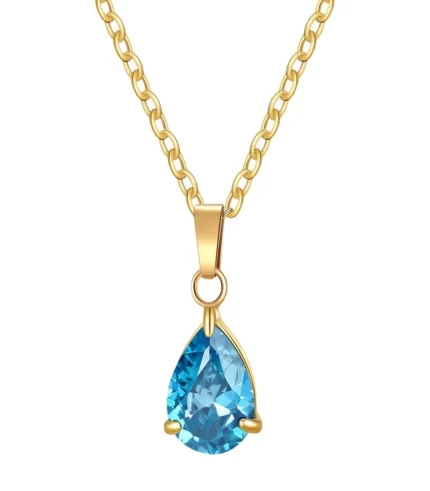
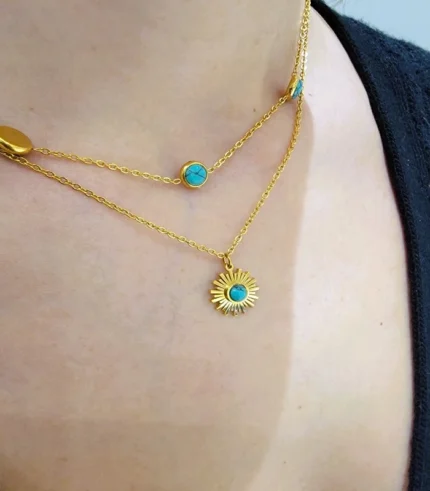
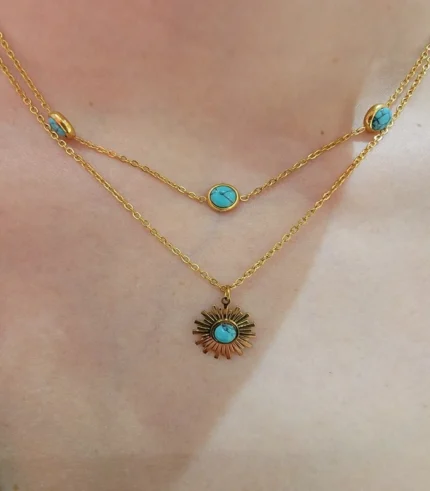
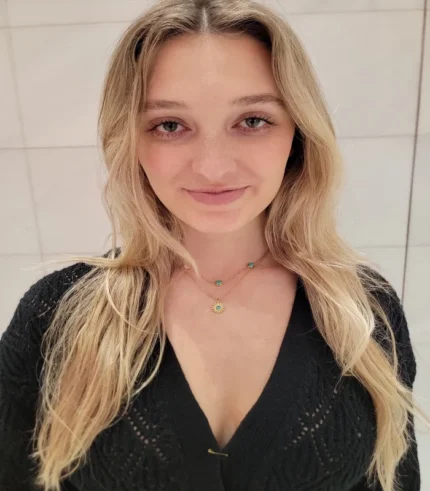
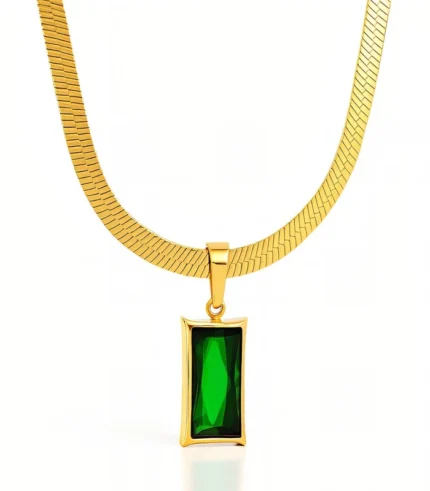
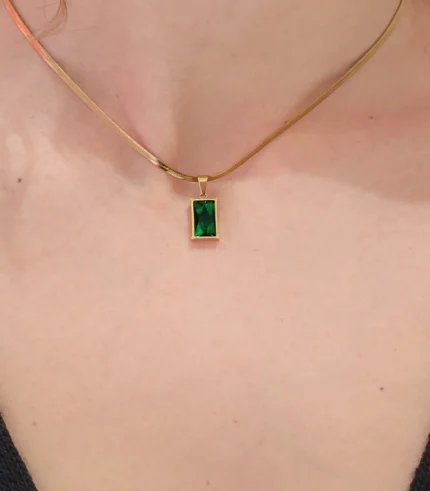
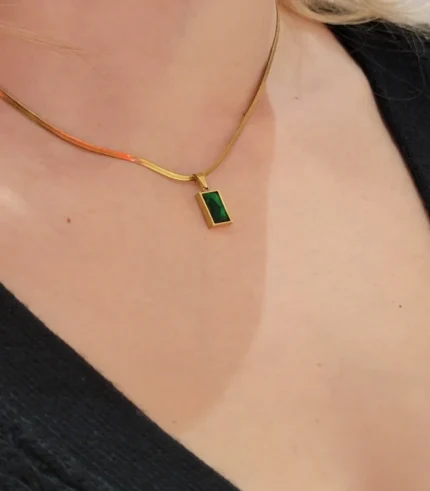
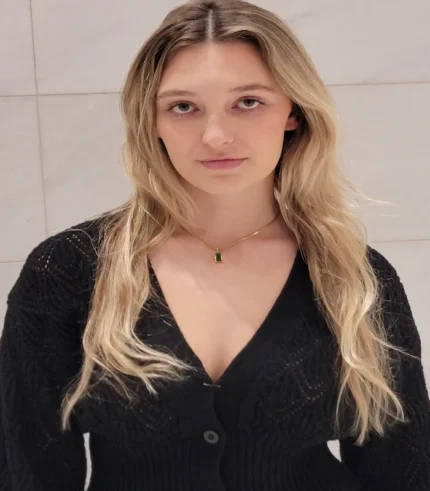
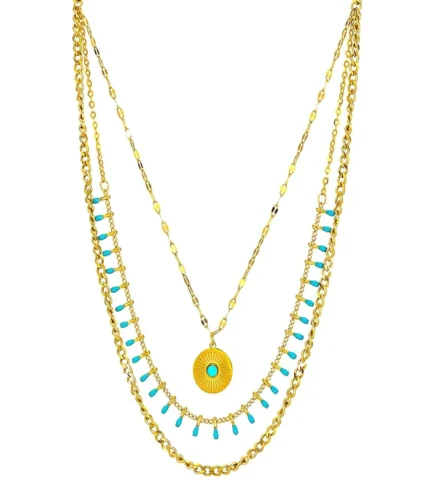
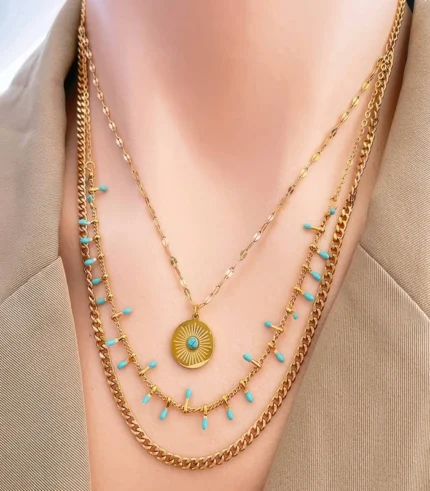
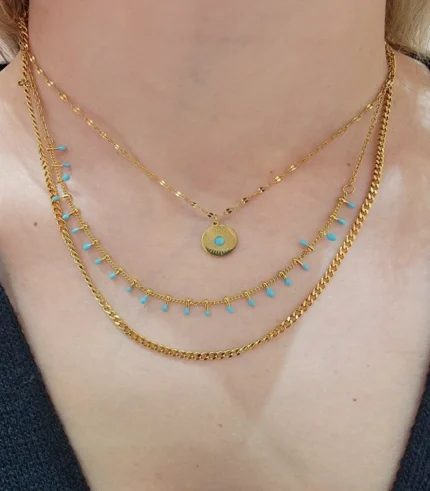
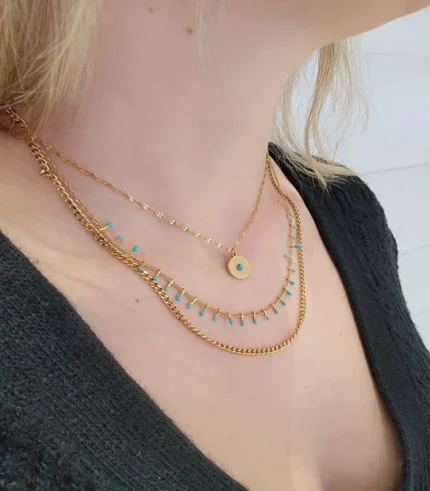
Shop tarnish-free gold-plated necklaces
View all →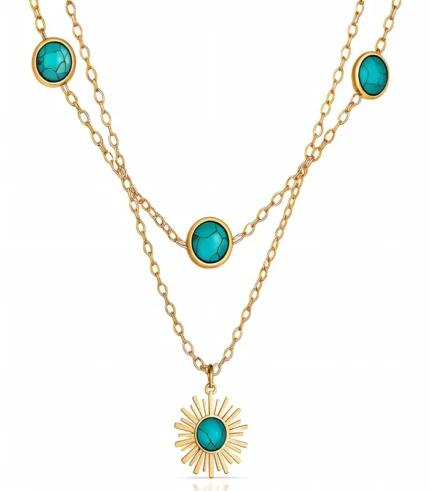
The Shift from Quiet Luxury to Mindful Luxury
The conversation has already evolved past “quiet luxury” into what the industry is calling “mindful luxury.” The distinction matters. Quiet luxury was originally about removing visible branding — wearing a $4,000 cashmere sweater with no logo. Mindful luxury goes further.
It asks how a piece was made, what it is made from, and whether the purchase aligns with the buyer’s values. This is not just an aesthetic preference. It is a purchasing philosophy.
This shift has concrete implications for the jewelry market. There is increased demand for ethically sourced diamonds, recycled precious metals, and transparent supply chains. Lab-grown diamonds are gaining traction as part of the quiet luxury aesthetic — delivering the same visual result with a smaller environmental footprint.
The 2026 buyer, according to multiple industry reports, is seeking jewelry made from recycled metals and responsibly sourced stones that combine beauty with responsibility. However, mindful luxury does not always mean expensive luxury. This is where the movement gets interesting for everyday buyers.
If the point is how a piece makes you feel and whether it aligns with your values — not what it cost — then a well-made 18K gold plated stainless steel bracelet that looks identical to solid gold serves the same purpose. It lets you participate in understated jewelry without locking thousands of dollars into a single piece. The modern plating technology used today has greatly improved durability, making this a practical choice rather than a compromise.
How to Build an Understated Jewelry Collection That Actually Works
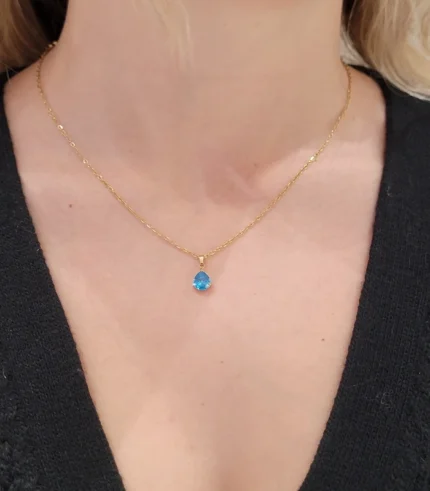
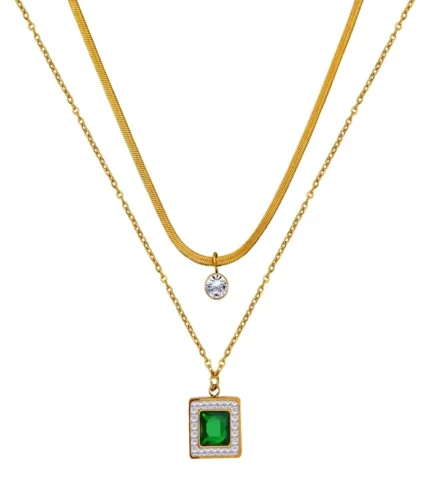
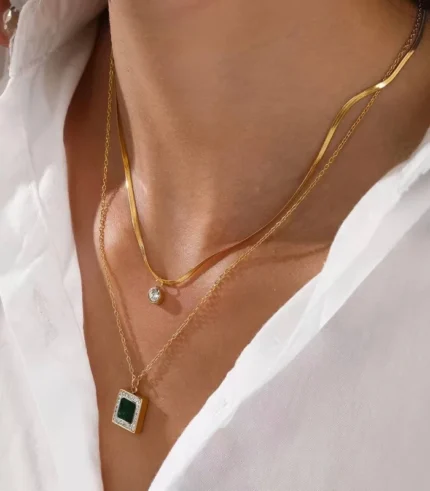
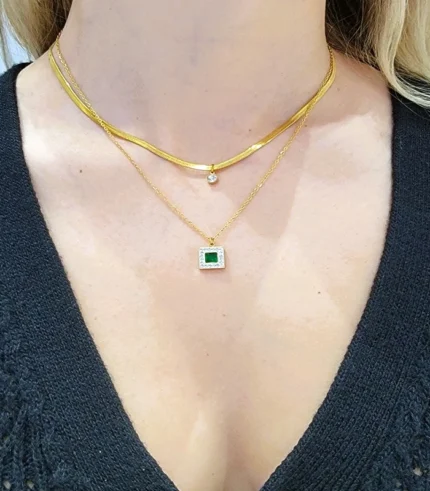
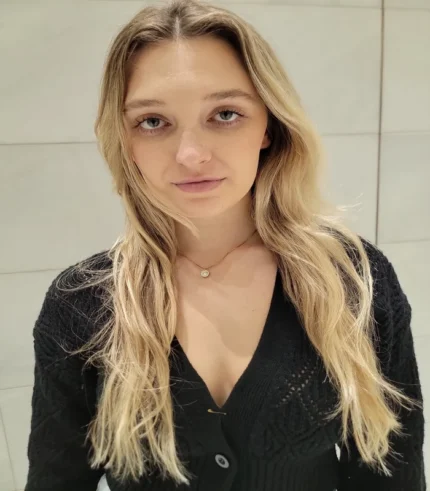
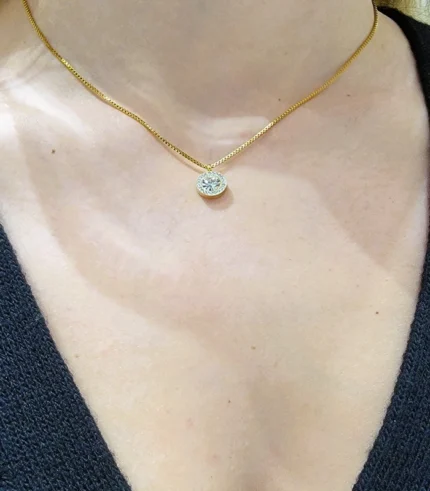
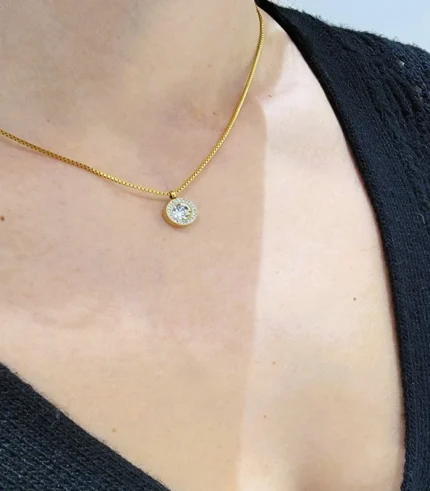
Building a collection around understated jewelry is less about buying specific pieces and more about developing an eye for proportion, finish, and versatility. The pieces dominating 2026 — floating pearl necklaces, minimalist stackable gold rings, layered choker necklaces, and huggie hoop earrings — all share a common trait: they are designed to complement an outfit rather than compete with it. Start with what the industry calls “foundation pieces.” A simple gold chain that sits flat against the collarbone.
A pair of small hoop earrings you can sleep in. A thin stacking ring or two. These are the pieces you reach for every morning without thinking, and they set the tone for anything you layer on top.
Jewelry designer Stephanie Gottlieb, known for her minimal fine jewelry, has called the diamond choker “the ultimate ‘I’ve arrived’ moment” — and what makes it work is precisely its restraint. The practical advantage of building this kind of collection in 18K gold plated stainless steel is variety. Instead of investing in one solid gold necklace and wearing it every day for a year, you can own five or six different chains, swap them based on your neckline, and refresh your look seasonally.
The stainless steel core means they hold up to daily wear, and at an accessible price point, replacing or updating a piece never feels like a financial decision. This is the understated jewelry approach in practice — multiple simple, elegant pieces working together rather than one expensive statement carrying the entire load.
Join the KartiKart community
10% off, on top of any current sale, your first order + early access to new collections
Free · No spam · Unsubscribe anytime
Gold Plated vs. Gold Filled vs. Solid Gold — Different Approaches for Different Priorities
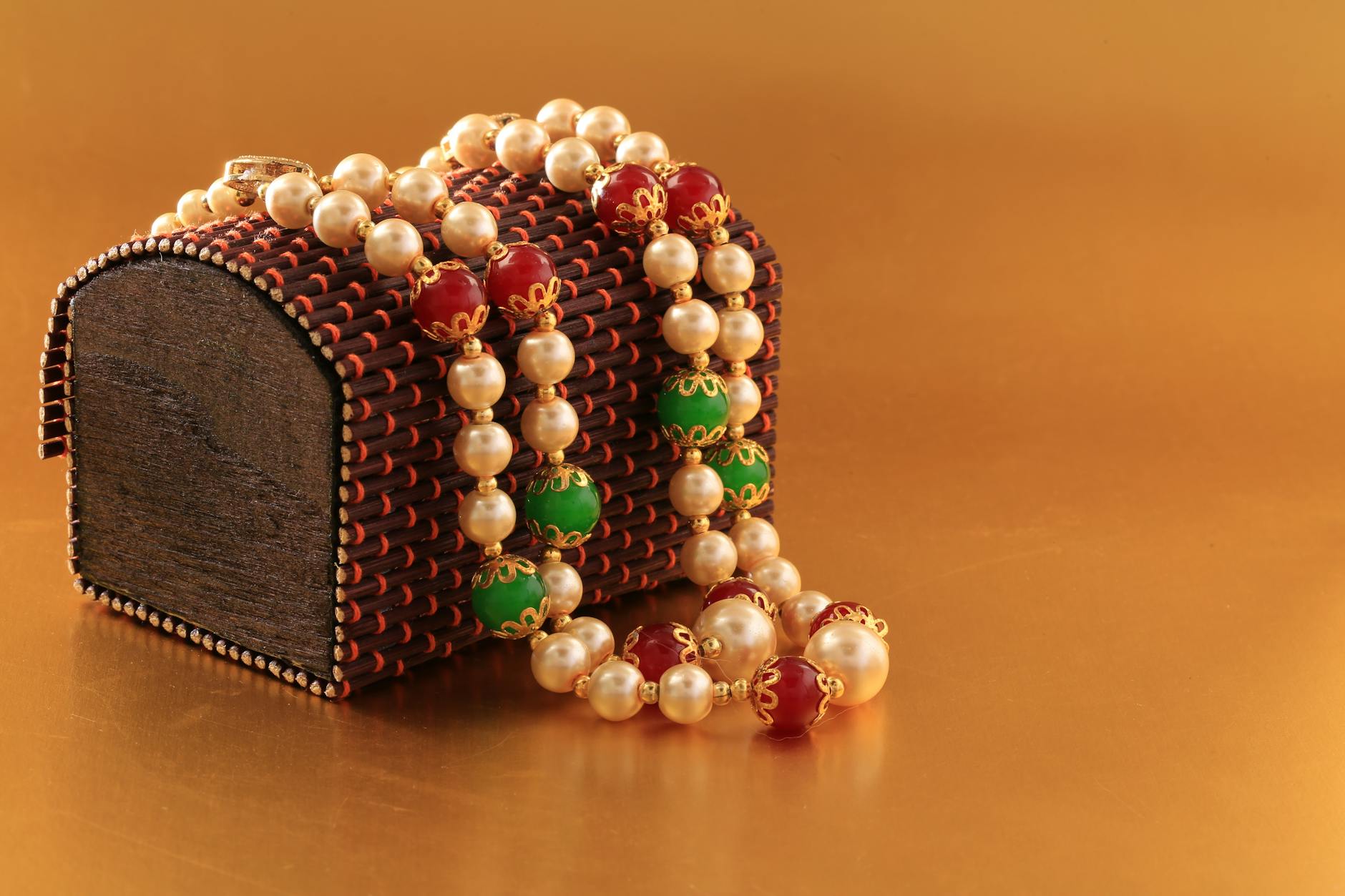
One of the most common questions in the understated jewelry space is about materials, and the honest answer is that there is no single “best” option — only the best option for how you wear jewelry. Solid gold is the traditional choice, and it will last for decades without any change in appearance. It is also the most expensive option by a wide margin, which means most women own one or two solid gold pieces at most.
Gold filled jewelry contains a thicker layer of gold bonded to a base metal, placing it in the middle of the spectrum. It is more durable than plating but significantly more expensive, and the design options tend to be more limited because of how the material is manufactured. For someone who wears the same pieces every single day, including in the shower, gold filled offers longevity.
But it does not offer the range or accessibility that many modern buyers want. 18K gold plated stainless steel represents a different approach entirely. The gold plating gives you the exact same warm finish as solid gold — visually, they are indistinguishable — while the stainless steel base provides strength and a lightweight feel.
The tradeoff is straightforward: with basic care like removing pieces before swimming and storing them properly, plated jewelry maintains its appearance beautifully. The benefit is that you can build an entire understated jewelry collection at a fraction of the cost, experiment with different styles, and keep your look current as trends evolve. These are different strategies for different priorities, and increasingly, fashion-forward women are choosing variety and style over a single heirloom piece.
Where Quiet Luxury Jewelry Falls Short — and When to Go Bold Instead
Understated jewelry works brilliantly for everyday wear, professional settings, and the kind of effortless-looking layering that dominates editorial fashion right now. But it is not the right choice for every occasion, and pretending otherwise would be dishonest. Formal events, weddings, and certain cultural celebrations call for presence.
A barely-there gold chain is not going to register across a ballroom. Liberty’s Ruby Beales has noted that in 2026, brooches are becoming “the new-gen necklace,” with rich cords and fine ribbons adding texture and drama. The point is that even within the quiet luxury framework, there is room for pieces that make an impression — they just do it through craftsmanship and design rather than size or brand logos.
The other limitation worth noting is that quiet luxury, as a movement, originated in spaces with enormous wealth. When the original Bain & Company research discusses consumers shifting from goods to experiences, they are largely talking about high-net-worth individuals. The democratized version of this movement — understated jewelry at accessible price points — is actually a more interesting development, because it takes the aesthetic philosophy and makes it available to anyone.
But be wary of marketing that uses “quiet luxury” as a label to charge premium prices for basic pieces. The value should be in the design and quality of the piece itself, not in the buzzword attached to it.
The Asia Pacific Factor and What It Means for Global Trends
Asia Pacific dominated the luxury jewelry market in 2024, accounting for 66.6% of global revenue according to Grand View Research. This is not a minor data point. When the largest jewelry-buying region in the world leans into a particular aesthetic, it shapes what designers produce, what retailers stock, and what trends reach Western markets.
The preference for 24K and high-karat gold fine jewelry in urban Asian markets has directly influenced the global move toward warmer gold tones and cleaner silhouettes. Minimalist gold pieces — the kind of understated jewelry that works across cultures and dress codes — have become a universal language in the market. For Western buyers, this means the best-designed minimal pieces are being produced at a scale and quality level that would not have been possible a decade ago, and the options available at every price point have expanded dramatically.
Where Understated Jewelry Goes from Here
The data suggests this is not a trend with an expiration date. Bain & Company projects the personal luxury goods market will return to 3-5% growth in 2026, and the understated, mindful segment is positioned to capture a disproportionate share of that growth. The phrase being used across the industry is not “quiet luxury” anymore — it is “mindful luxury,” and the distinction is important.
It signals that consumers are making deliberate, values-driven choices rather than simply following an aesthetic. What this means practically is that the pieces worth investing in now — whether in solid gold or 18K gold plated stainless steel — are the ones that favor clean lines, warm gold tones, and versatile sizing. Classic tennis necklaces, bezel-set stones, floating pearls, and simple stackable rings are not going anywhere.
The Gemological Institute of America continues to emphasize that the most enduring jewelry trends are rooted in craftsmanship and wearability, not novelty. If your collection leans toward understated jewelry that you genuinely reach for every day, you are already ahead of where the market is going.
Looking for minimalist jade jewelry? Browse our full collection of necklaces, bracelets, earrings, and rings at KartiKart. Free shipping on all US orders.
Conclusion
The quiet luxury movement has reshaped the jewelry landscape in a way that benefits everyday buyers more than anyone. The emphasis on restraint, quality, and personal meaning over logos and size has opened the door for women to build collections that are elegant, versatile, and financially sustainable. Whether that means a single solid gold chain you never take off or a curated set of 18K gold plated stainless steel pieces you rotate throughout the week, the principle is the same: wear what feels right, not what looks expensive.
The numbers back this up. A $6.8 billion minimalist jewelry market growing steadily toward $12.1 billion tells you this is not a phase. Understated jewelry has become the default for a generation of women who define luxury on their own terms — and the best part is that participating does not require a luxury budget. It requires intention, a sense of your own style, and pieces that are simple enough to wear every single day.
You Might Also Like
- Why Minimalist Jewelry Never Goes Out of Style and What Makes It Timeless
- How French Women Style Jewelry Differently and What Americans Can Learn
- Best Jewelry Gifts for Women Starting a New Chapter in Life
From the KartiKart shop
Wear what you just read about
Dainty, everyday pieces, handpicked by a husband-and-wife team. Free U.S. shipping, gift-ready packaging, 30-day easy returns, and 5% of every order goes to organizations fighting human trafficking.
Shop tarnish-free gold-plated necklaces →