Dainty Jewelry for Sensitive Skin: Safe Materials Guide
Dainty jewelry sensitive skin wearers know the struggle all too well. You find a beautiful delicate piece, wear it for a few hours, and your skin turns red and itchy. This frustrating cycle affects more people than you might think. According to research, nickel allergy impacts over 18% of North Americans.
Women are affected at nearly six times the rate of men. Jewelry is the single biggest source of nickel exposure, responsible for over 36% of sensitization cases. The good news is that choosing the right materials eliminates this problem entirely. Modern metals and plating techniques mean you never have to sacrifice style for comfort. This guide breaks down exactly which materials are safe and why.
Why Some Jewelry Causes Skin Reactions
The culprit behind most jewelry reactions is nickel. It is the most common cause of allergic contact dermatitis worldwide. Nickel hides in many jewelry alloys, especially in lower-quality pieces. When sweat dissolves tiny amounts of nickel from the metal surface, it penetrates the skin. Your immune system then treats it as a threat. The result is redness, itching, blistering, and dry patches right where the jewelry sits.
For dainty jewelry sensitive skin is especially vulnerable. Delicate chains and thin bands press against the same spot continuously. This prolonged contact increases nickel absorption. Earrings pose the highest risk because they sit in pierced tissue. In fact, studies show that 31% of North American earrings exceed safe nickel-release thresholds. However, the metal itself matters far more than the size of the piece.
Shop tarnish-free gold-plated jewelry
View all →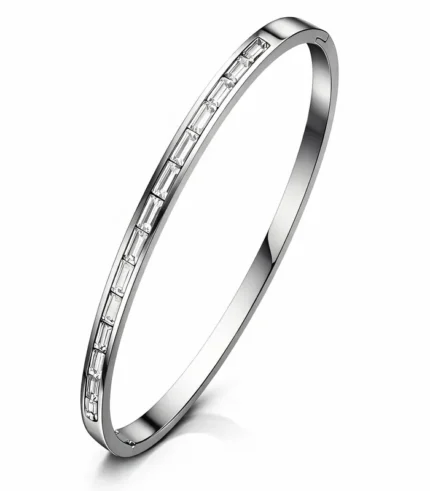
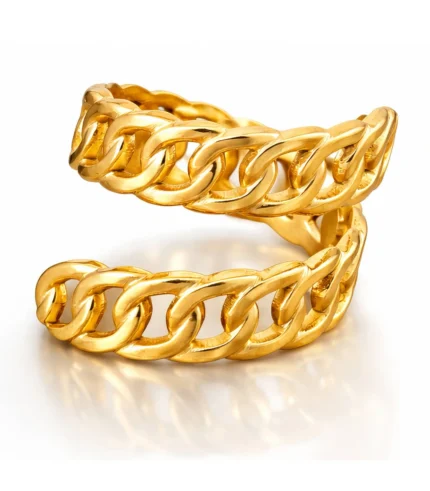
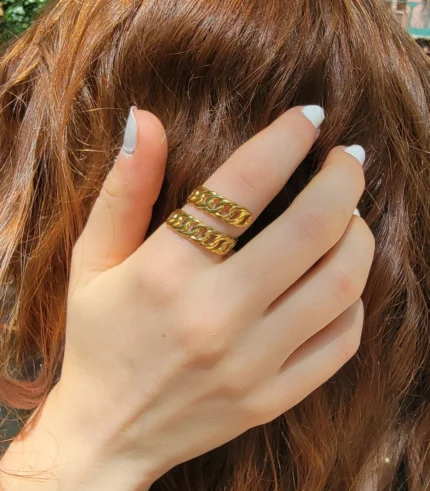
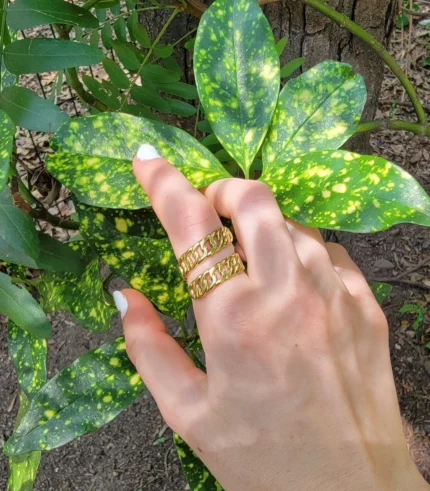
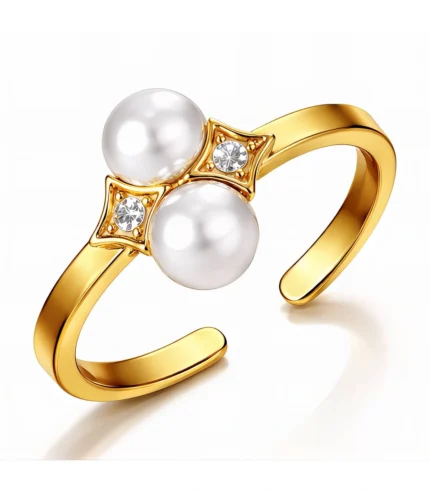
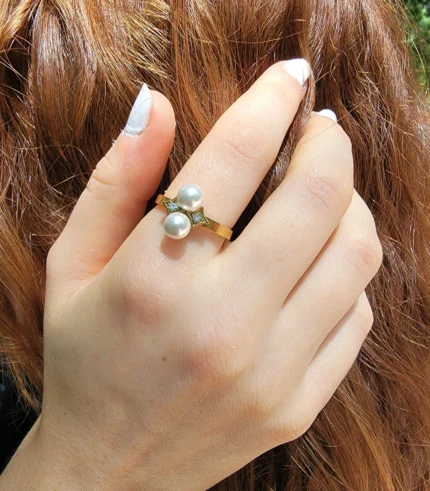
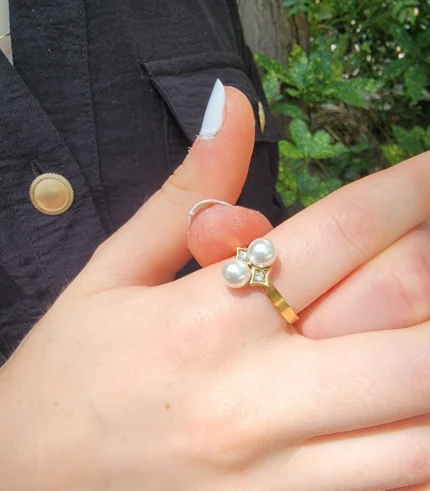
The Best Materials for Dainty Jewelry Sensitive Skin Demands
Not all metals are created equal. Several options stand out as reliably safe for reactive skin. Surgical stainless steel (grade 316L) is a top choice. It contains nickel in the alloy, but binds it so tightly that release stays below 0.03 micrograms per square centimeter per week. That meets strict European Union safety standards. For most people with sensitivity, this level is completely harmless.
Titanium is another excellent option. It is 100% nickel-free and biocompatible. Doctors use it in surgical implants for this exact reason. The Gemological Institute of America describes titanium as hypoallergenic, lightweight, and extremely durable. Niobium is similarly safe, though less common in mainstream jewelry. Platinum is naturally inert and hypoallergenic. However, its price puts it out of reach for most everyday jewelry collections.
High-karat gold is also safe. Pure 24K gold does not cause reactions. In most cases, problems blamed on gold jewelry actually trace back to nickel or copper in the alloy. This is especially true for white gold, which frequently contains nickel. Yellow gold at 18K or higher is typically safe for dainty jewelry sensitive skin requires.

Why 18K Gold Plated Stainless Steel Works for Sensitive Skin
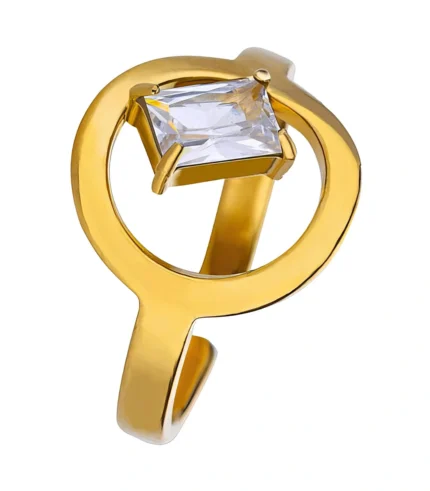
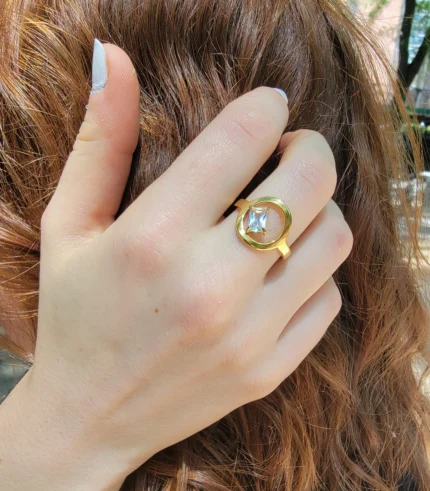
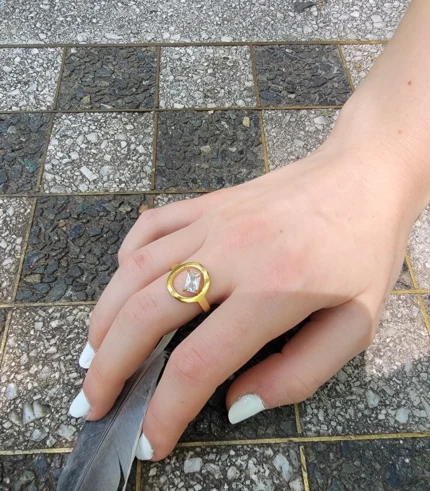
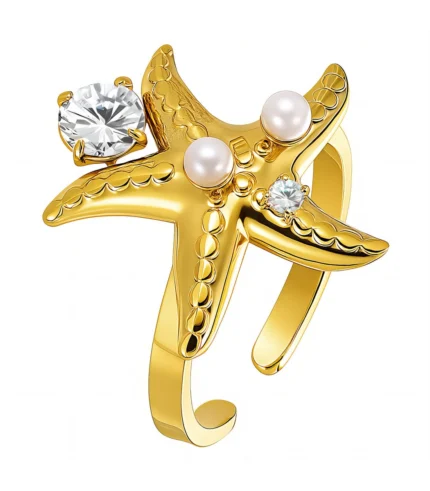
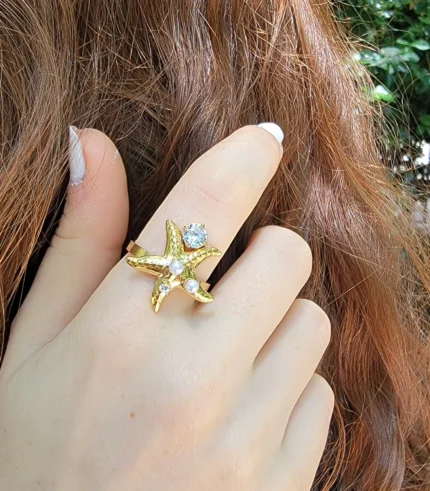
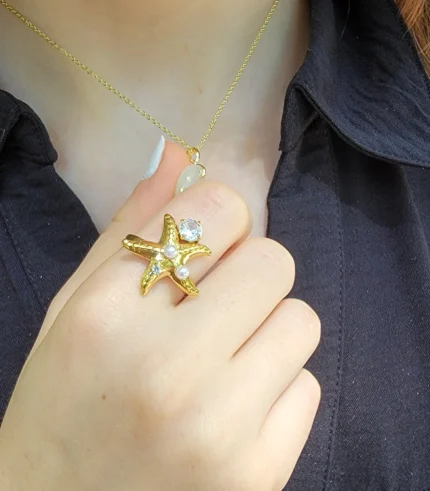
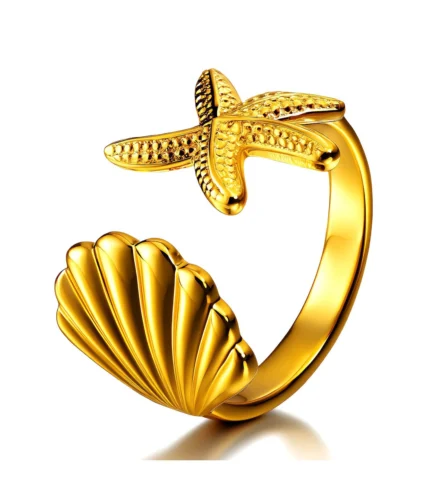
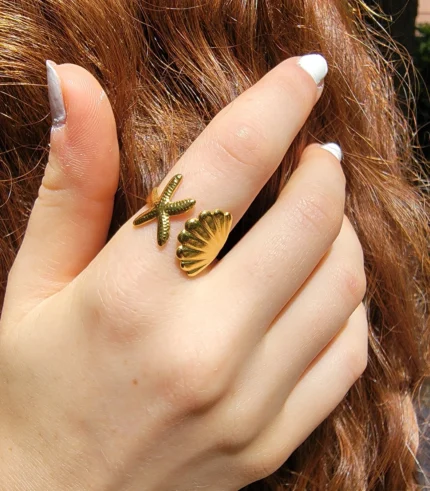
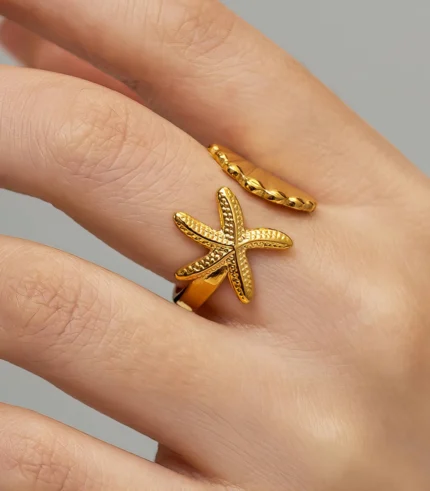
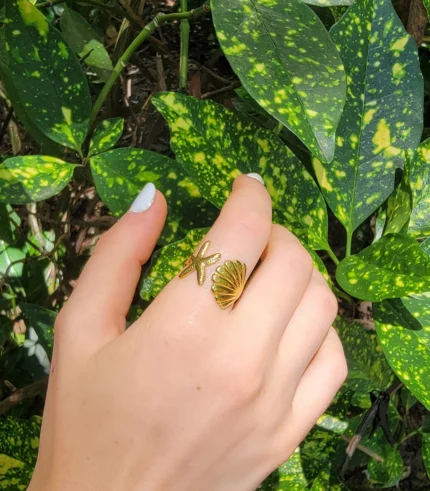
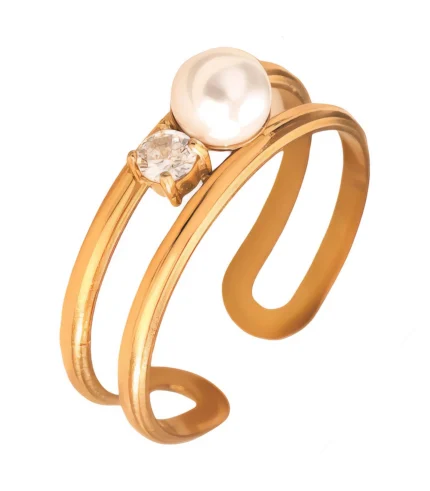
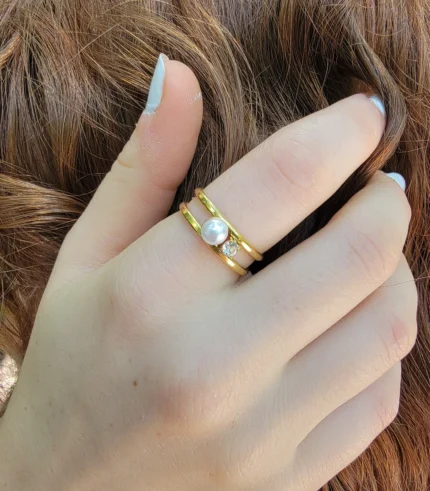
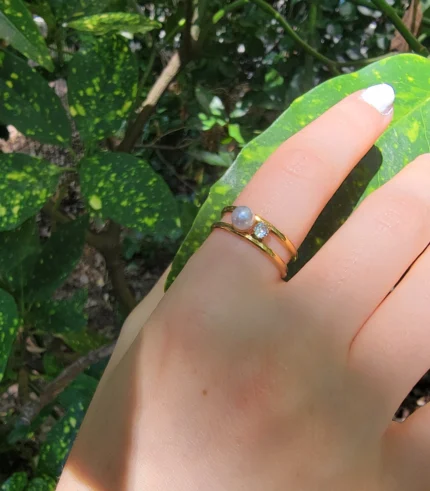
Here is where smart material science meets beautiful design. When 18K gold is electroplated over 316L surgical stainless steel, you get two layers of protection. The gold surface physically separates your skin from the steel base. Gold itself does not trigger allergic reactions. Modern plating technology creates a durable bond that holds up through daily wear.
Many quality pieces also use PVD (Physical Vapor Deposition) coating. This process adds an ultra-hard protective film over the gold layer. It locks out ion migration and resists scratches. For dainty jewelry sensitive skin needs, this combination is ideal. You get the warm look of solid gold with hypoallergenic properties built in. The stainless steel base provides strength that keeps delicate designs from bending or breaking.
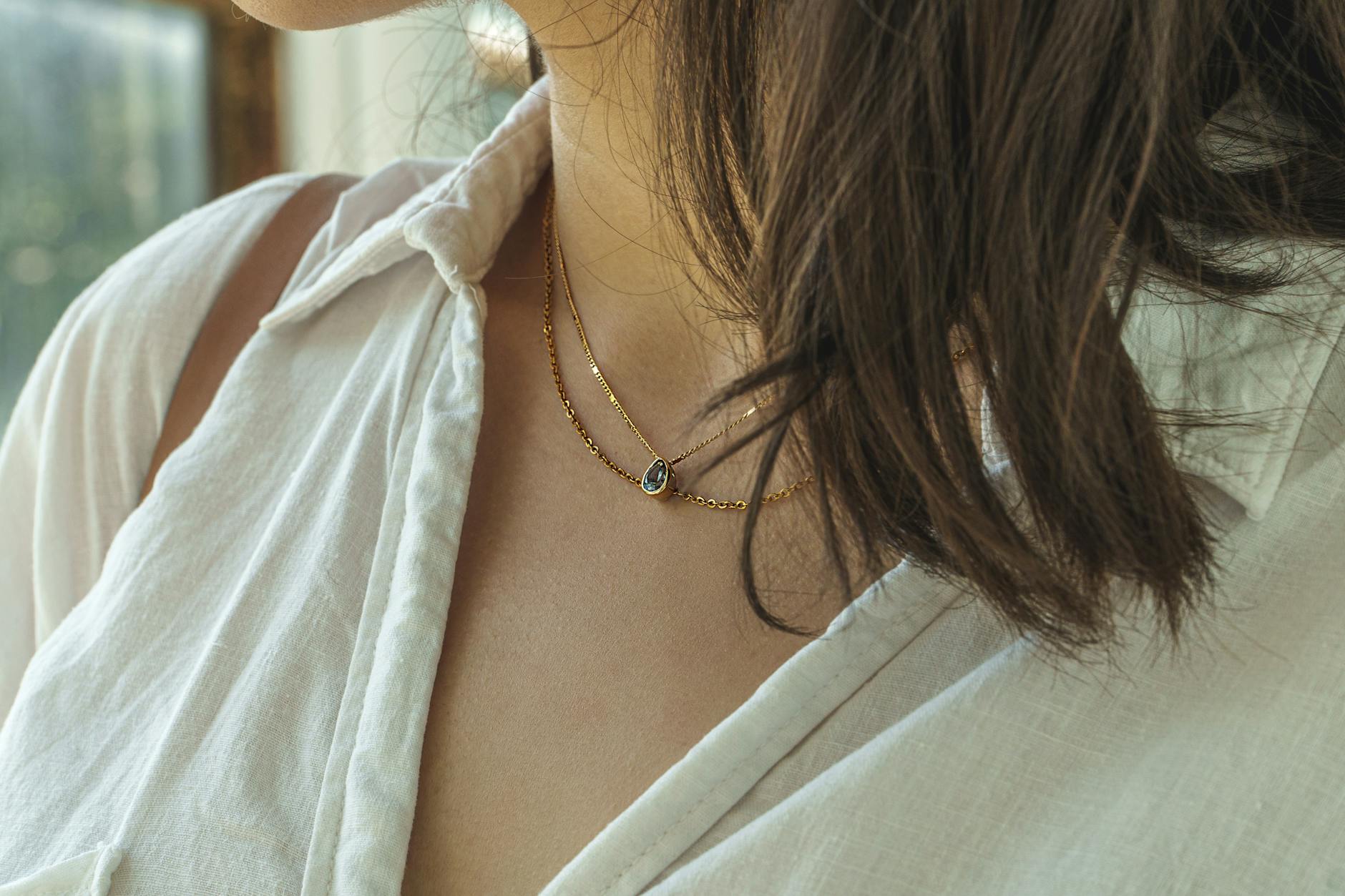
For example, a thin gold-plated stainless steel chain necklace gives you the exact aesthetic of solid gold. However, it costs a fraction of the price. This means you can own five beautiful dainty pieces for what one solid gold piece would cost. Variety and versatility are the real luxury when building a jewelry collection.
How to Choose Dainty Jewelry Sensitive Skin Will Love
Start by checking the base metal. Look for 316L surgical stainless steel specifically. Typically, reputable sellers list the exact grade. Avoid vague terms like “alloy” or “mixed metals” without further detail. These often contain high levels of nickel. If a piece is gold plated, confirm it uses 18K or higher gold content. The thicker the plating, the longer the protection lasts.
Watch out for white gold and rose gold in lower karats. Both commonly include nickel in their alloy mix. Yellow gold at 14K and above is generally safer. For dainty jewelry sensitive skin tolerates best, stick with pieces that clearly state their materials. Transparency from the brand is a strong quality signal. In most cases, brands that invest in safe materials are proud to list them.
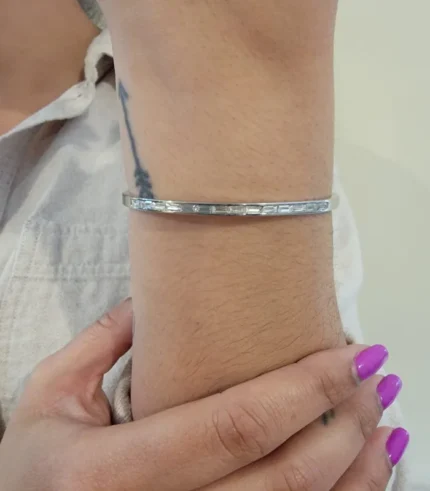
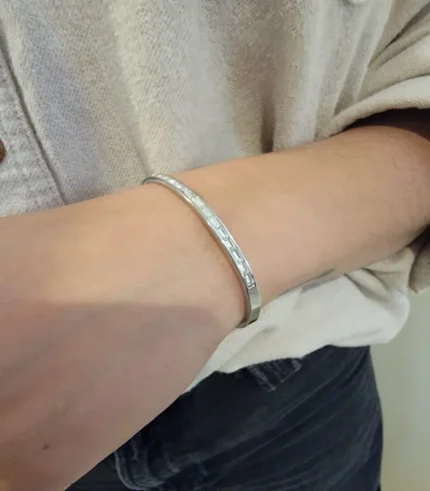
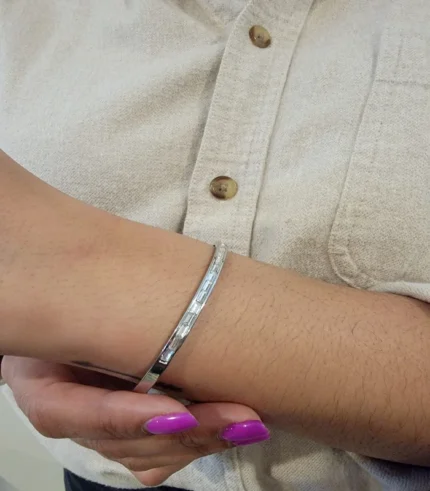
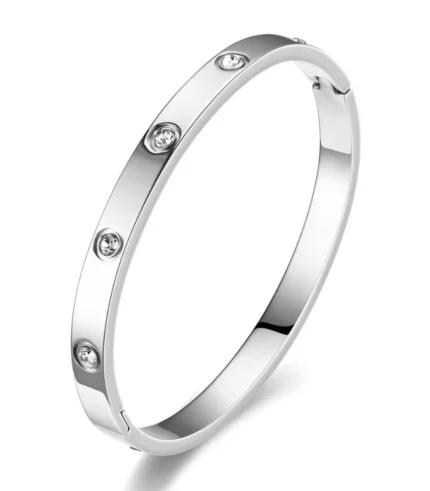
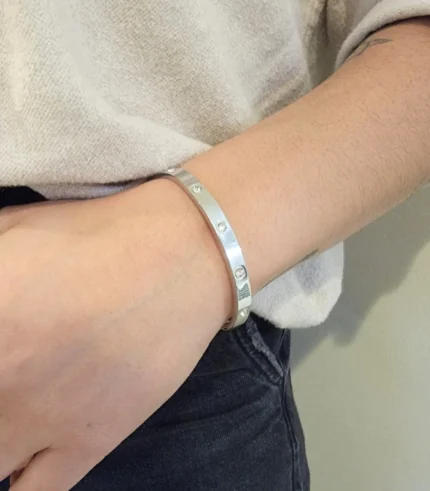
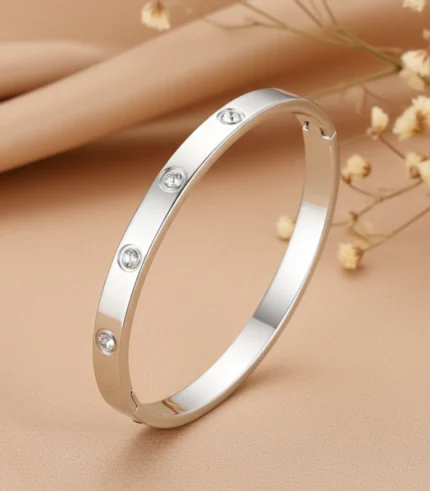
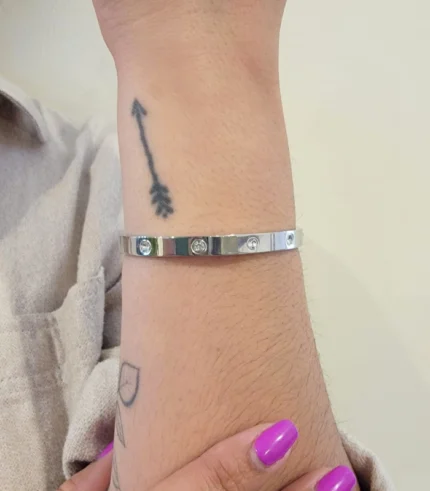
Also consider the jewelry type. Earrings need the highest safety standard because they contact pierced skin. Necklaces and bracelets are lower risk but still matter for reactive skin. For example, a dainty bracelet worn daily for eight hours creates significant contact time.
Join the KartiKart community
10% off, on top of any current sale, your first order + early access to new collections
Free · No spam · Unsubscribe anytime
Simple Care Habits That Protect Your Skin and Your Jewelry
Caring for dainty jewelry sensitive skin depends on takes just seconds. Remove pieces before showering or swimming. Slip them off before applying lotion or perfume. These quick habits keep the gold layer pristine and prevent chemical reactions with skincare products. Store pieces in a dry pouch or lined jewelry box to avoid scratching.
Wipe your jewelry with a soft cloth after wearing. This removes sweat and oils that could interact with the metal over time. These 10-second habits are easy to build into your routine. They keep your dainty jewelry sensitive skin friendly for years. Modern 18K gold plating on stainless steel is scratch-resistant and designed for everyday wear. A little care goes a long way.
Frequently Asked Questions
What is the safest metal for dainty jewelry sensitive skin reacts to?
Surgical stainless steel (316L) with 18K gold plating is one of the safest and most accessible options. The gold layer prevents skin contact with the base metal. Titanium and platinum are also excellent but typically more expensive or harder to find in delicate designs.
Can you be allergic to gold plated jewelry?
Reactions to gold plated jewelry are extremely rare when the plating uses 18K or higher gold. True gold allergies affect less than 1% of the population. In most cases, reactions come from the base metal showing through thin or worn plating. Quality pieces with thick plating on 316L steel avoid this issue entirely.
How do I know if my skin is reacting to nickel?
Common signs include redness, itching, and small blisters exactly where the jewelry touches your skin. Symptoms typically appear 12 to 48 hours after contact. A dermatologist can confirm nickel allergy with a simple patch test. Once confirmed, switching to dainty jewelry sensitive skin approved materials eliminates the problem completely.
Shop Jewelry at KartiKart
Explore our collection of handcrafted 18K Gold Plated Stainless Steel jewelry. Every piece is designed for everyday elegance at an accessible price point.
Bracelets · Best Sellers · New Arrivals
Sources & Further Reading
For verified gemstone and jewelry information:
Content last reviewed April 2026. If you notice any outdated information, please contact us.
From the KartiKart shop
Wear what you just read about
Dainty, everyday pieces, handpicked by a husband-and-wife team. Free U.S. shipping, gift-ready packaging, 30-day easy returns, and 5% of every order goes to organizations fighting human trafficking.
Shop tarnish-free gold-plated jewelry →