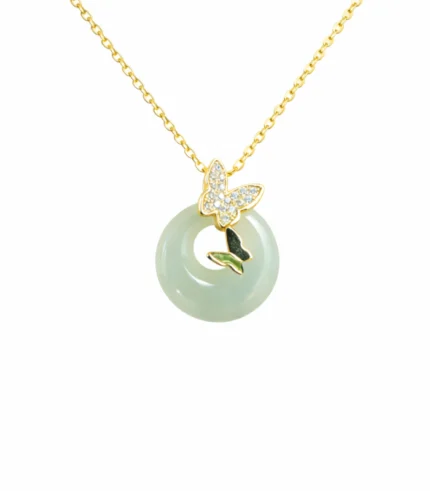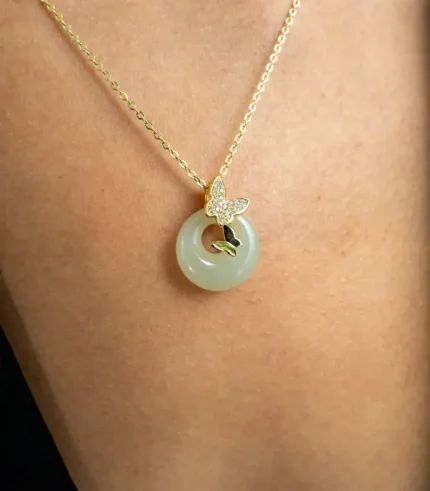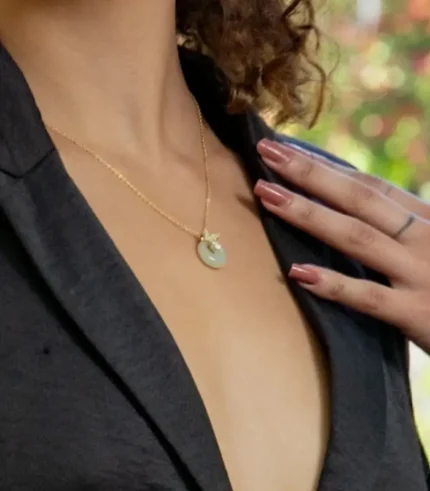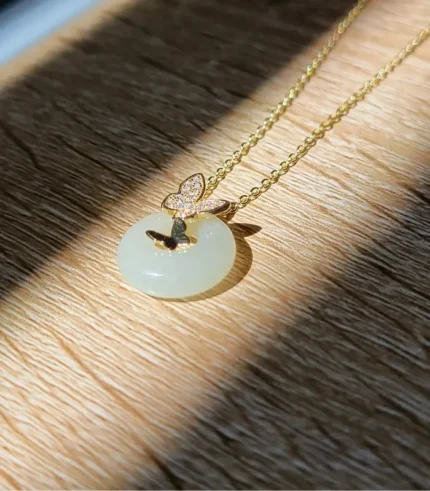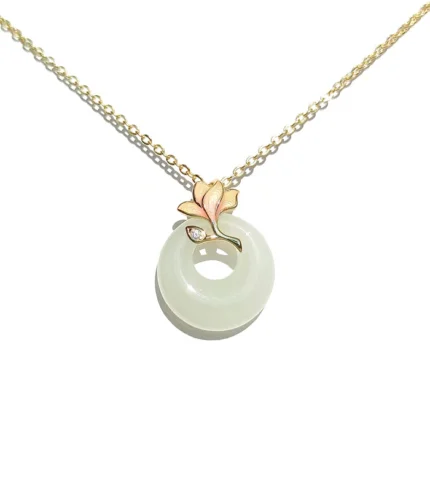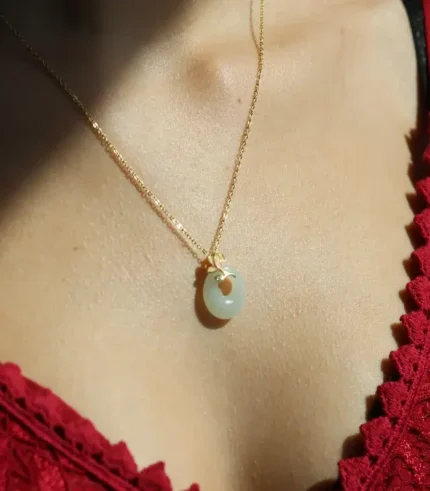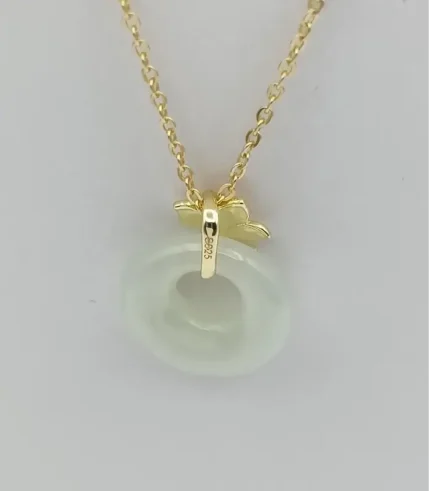
Jade Cabochon Pendants: The Smooth Polished Classic
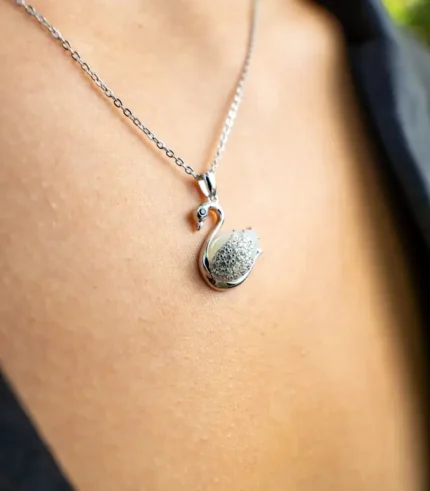
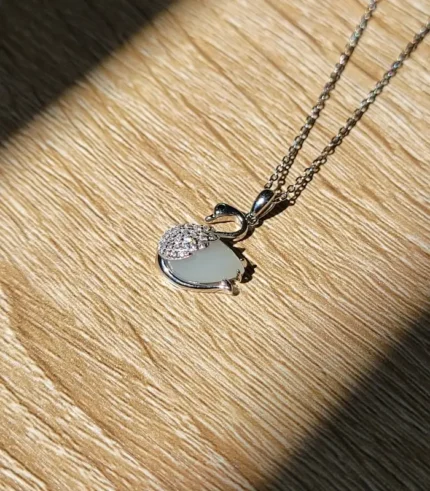
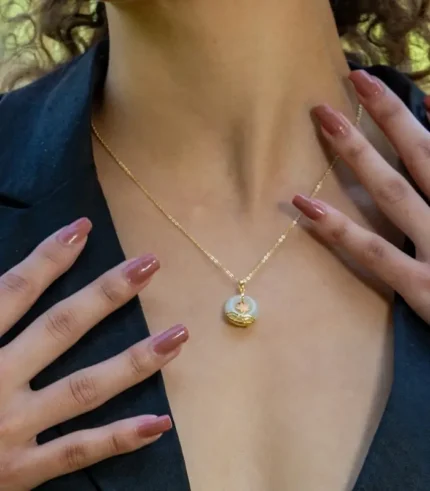
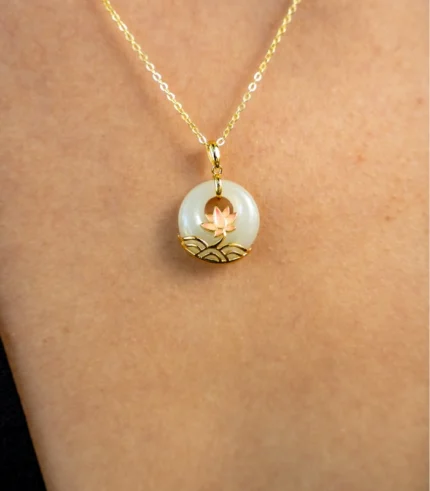
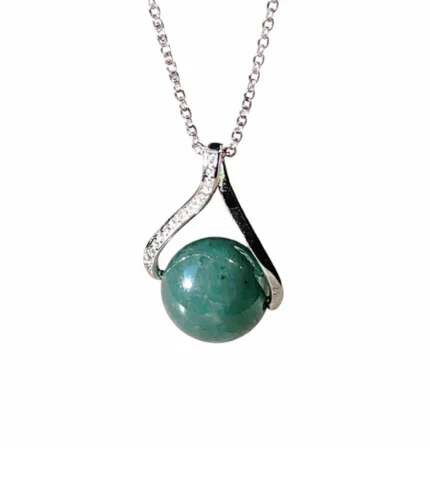
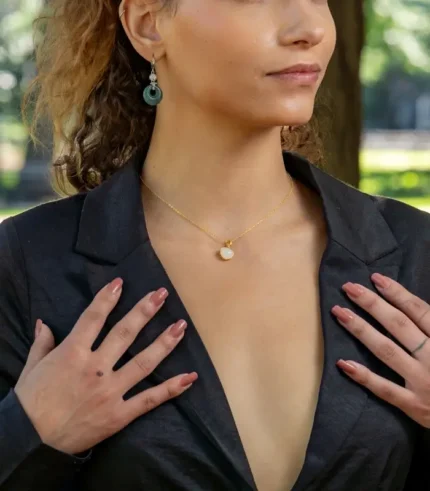
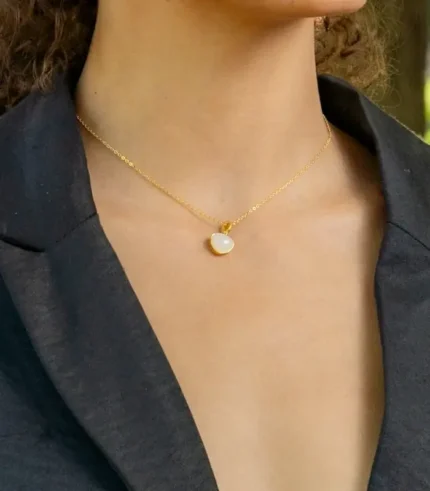
A jade cabochon pendant is one of the oldest and most timeless ways to wear a precious stone. The cabochon cut shapes jade into a smooth, polished dome with a flat back. There are no facets and no sharp angles. Instead, the surface is rounded and glassy. This style highlights jade’s rich color and soft glow. According to the Gemological Institute of America, the finest jadeite is usually cut into cabochons. The shape lets the stone’s natural beauty take center stage. For these reasons, the jade cabochon pendant remains a classic that never feels dated.
What Makes a Jade Cabochon Pendant Special
The word “cabochon” comes from the French “caboche,” meaning “head.” It describes the rounded, dome-like top of the stone. This cut is ancient. Archaeological evidence shows people polished stones this way as early as 4000 BCE. Before faceting was invented in the 13th century, nearly all gems were cut as cabochons.
Jade is a perfect match for this style. The stone is not transparent like a diamond. Instead, it ranges from translucent to opaque. A jade cabochon pendant shows off this depth beautifully. The smooth dome reflects light evenly across the surface. However, a faceted cut would simply not suit jade’s character.
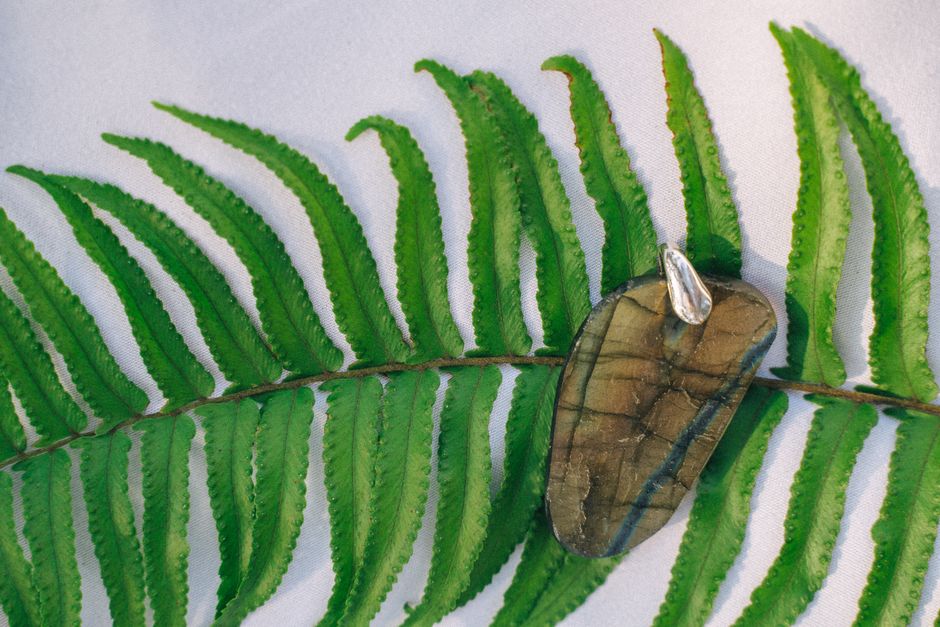
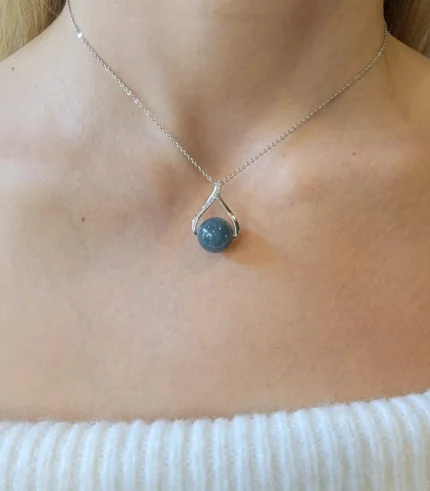
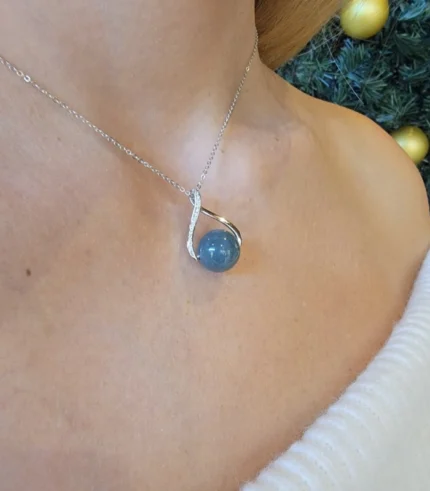
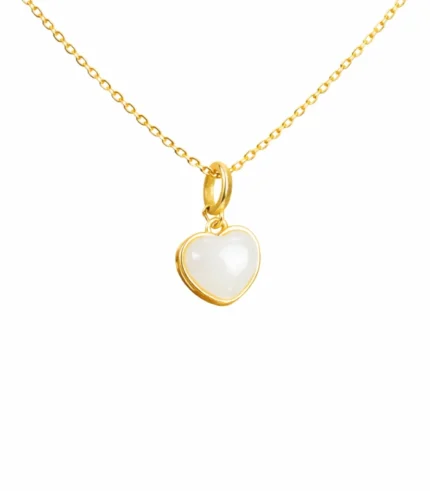
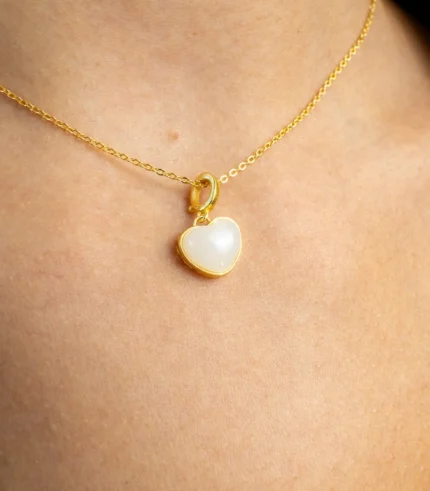
Shop white & blue jade necklaces
View all →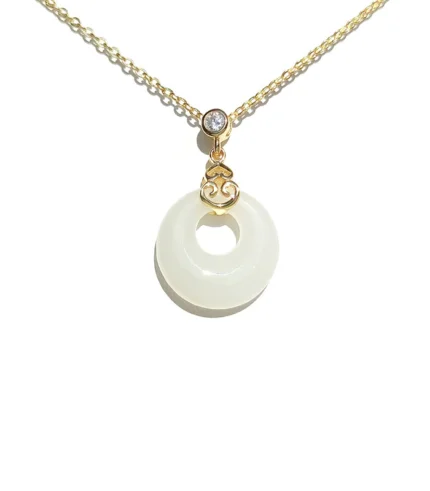
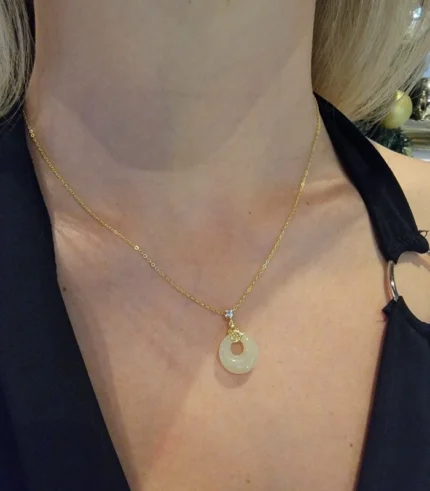
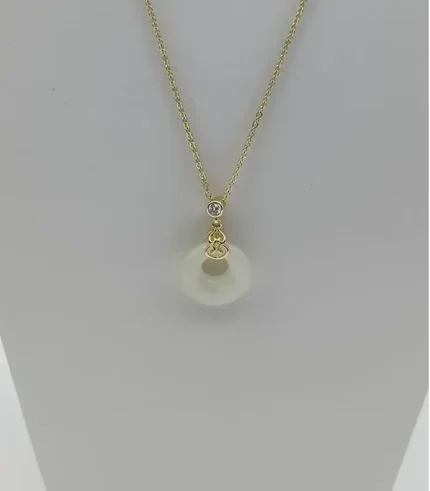
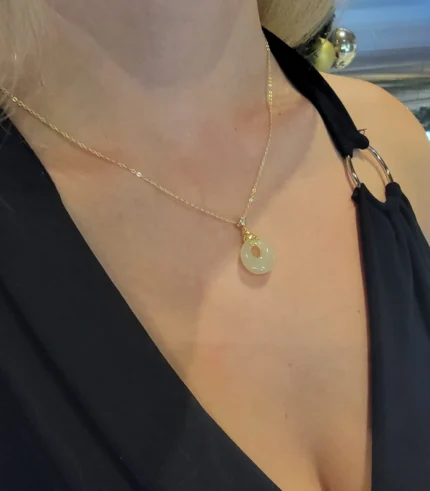
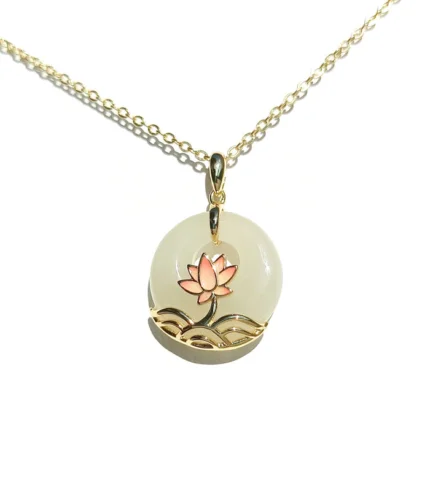

Jadeite, Nephrite, and How the Stone Gets Its Shine
Gemologists use “jade” for two minerals: jadeite and nephrite. Both are metamorphic rocks made of tiny interlocking crystals. This structure makes jade exceptionally tough. Jadeite comes in many shades of green, plus lavender, white, and reddish orange. Nephrite ranges from light green to black, gray, or white.
The polish is what brings a jade cabochon pendant to life. Cutters work the stone through progressively finer abrasives. Each pass smooths the surface further. Eventually, the jade reflects light evenly and gains its deep luster. China is the main polishing center for jadeite today. For example, many cutters in Myanmar still polish jade the ancient way. They use a hollow bamboo lathe with sand and water.
Nephrite also takes a high polish very well. Typically, it is cut into larger pendants, smooth beads, or cabochons. This is why so many heirloom pieces feature this exact shape.
What to Look For When Buying
Color is the first thing to judge. Look for a hue that is even and pleasing across the whole stone. Next, check the translucency. A semi-transparent glow usually signals higher quality than a flat, opaque look. The jade entry on Wikipedia notes that texture and clarity also affect value.
Then examine the dome itself. A well-cut jade cabochon pendant should have smooth symmetry and good proportion. The thickness matters too. A stone cut too thin can look pale and lifeless. Run your eye across the surface for an even polish. In most cases, the shine should be glassy with no dull patches. Finally, consider the setting that holds your jade cabochon pendant.
The Setting: Why 18K Gold Plating Is a Smart Choice
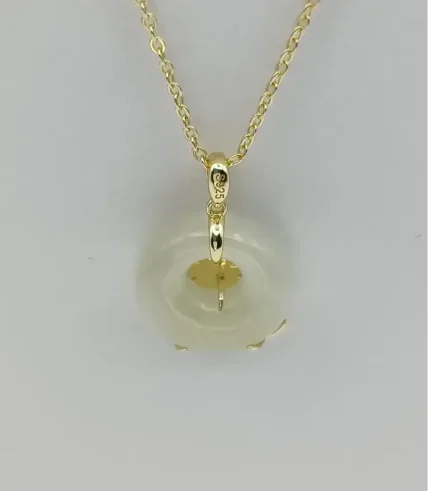
The frame around your stone matters as much as the jade. At KartiKart, our settings use 18K gold plated stainless steel. This pairing is a smart, modern choice. You get the warm look of solid gold at an accessible price. The plating looks identical to solid gold against the green of the jade.
Modern 18K gold plating is also built for daily life. It is scratch-resistant, hypoallergenic, and lightweight. This means your jade cabochon pendant feels comfortable from morning to night. Better still, the savings let you own several pieces. For example, you could collect five gold-toned pendants for the price of one solid gold piece. That kind of variety beats a single expensive item.
Easy Care for Your Jade Cabochon Pendant
Caring for a jade cabochon pendant takes only seconds. Keep it away from water, perfume, and lotion before you put it on. Wipe it gently with a soft cloth after wearing. Store it in a pouch away from harder jewelry. These habits take ten seconds and keep both the jade and the gold glowing for years.
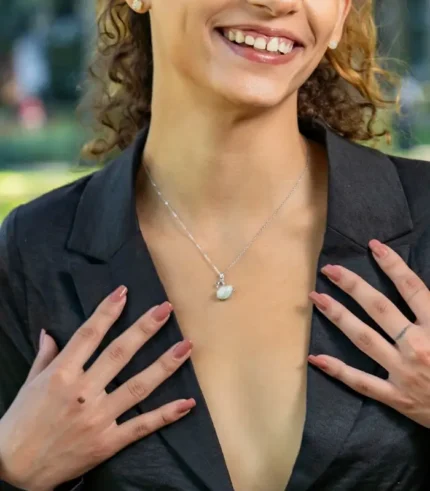
Styling is just as simple. A jade cabochon pendant pairs well with both casual and dressy looks. The smooth green stone adds calm color to a white shirt or a little black dress. Typically, one pendant becomes a piece you reach for again and again.
Join the KartiKart community
10% off, on top of any current sale, your first order + early access to new collections
Free · No spam · Unsubscribe anytime
Frequently Asked Questions
Is a cabochon cut better than faceted for jade?
For jade, yes. Jade is translucent to opaque, not clear like a diamond. The smooth cabochon dome shows its color and glow far better than facets would.
What does the green color in jade mean?
Green is jade’s most prized color, especially in jadeite. As the GIA notes, an even, vivid green is the most valued. Lavender and white are also popular.
Will gold plated jewelry hold up to everyday wear?
Yes. Modern 18K gold plating on stainless steel is scratch-resistant and durable. With a quick wipe and proper storage, it stays beautiful for a long time.
Shop Jewelry at KartiKart
Explore our collection of handcrafted 18K Gold Plated Stainless Steel jewelry. Every piece is designed for everyday elegance at an accessible price point.
Earrings · Necklaces · Bracelets
Sources & Further Reading
For verified gemstone and jewelry information:
Content last reviewed June 2026. If you notice any outdated information, please contact us.
From the KartiKart shop
Wear what you just read about
Dainty, everyday pieces, handpicked by a husband-and-wife team. Free U.S. shipping, gift-ready packaging, 30-day easy returns, and 5% of every order goes to organizations fighting human trafficking.
Shop white & blue jade necklaces →