How to Clean Jewelry With Baking Soda
Baking soda jewelry cleaning is one of the oldest kitchen-cabinet tricks around. Your grandmother probably swore by it. A spoonful of sodium bicarbonate, a splash of warm water, and tarnished silver suddenly looks new again. However, the trick works far better on some pieces than others.
Baking soda is a real cleaning agent with real chemistry behind it. It is also mildly abrasive, which matters enormously depending on what you are cleaning. This guide covers what baking soda actually does, which metals love it, and which pieces deserve a gentler approach. In most cases, knowing the difference takes ten seconds and saves you a favorite necklace.
The Chemistry Behind Baking Soda Jewelry Cleaning
Baking soda is sodium bicarbonate, chemical formula NaHCO₃. It dissolves readily in water and forms a mildly alkaline solution, around pH 8.3. That alkalinity is what lifts oils, lotion residue, and body soil off metal surfaces. It is gentle chemistry, not harsh chemistry. You can read the full profile on Wikipedia’s sodium bicarbonate page.
The famous silver trick works differently. When you line a bowl with aluminum foil, add hot water and baking soda, then drop in tarnished silver, an electrochemical reaction begins. Tarnish is silver sulfide. The aluminum acts as a sacrificial anode and gives up electrons. The silver sulfide gains those electrons and reverts to metallic silver. The baking soda is not scrubbing anything here. It dissolves the aluminum hydroxide film and boosts the solution’s conductivity.
Typically, people confuse these two mechanisms. The foil-bath method is chemical reversal. The paste method is physical scrubbing. For example, a baking soda paste rubbed with a cloth removes material from the surface. That distinction decides whether baking soda jewelry cleaning helps your piece or harms it.
Shop tarnish-free gold-plated jewelry
View all →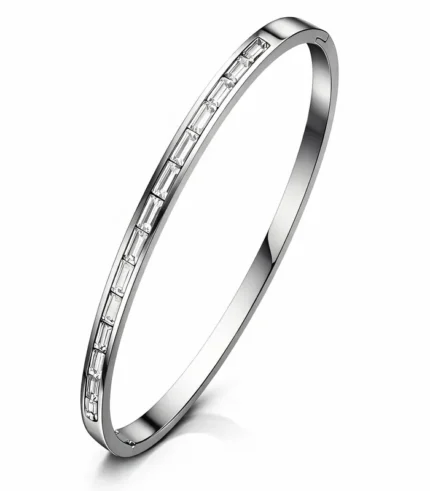
Which Metals Suit Baking Soda Jewelry Methods
Solid sterling silver is the ideal candidate. The foil-and-soda bath reverses tarnish without removing silver. Solid gold in 10K, 14K, and 18K also tolerates a brief, gentle soda soak. Gold does not tarnish, so it rarely needs one. Warm water and dish soap usually handle it.
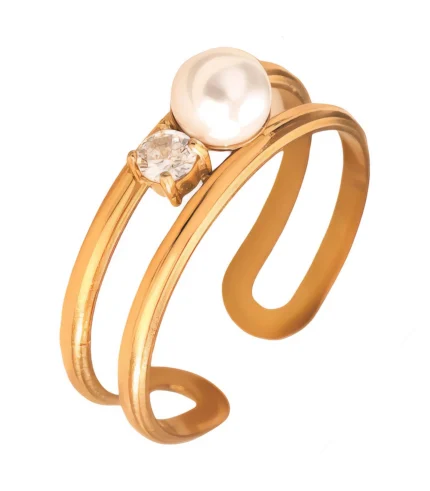
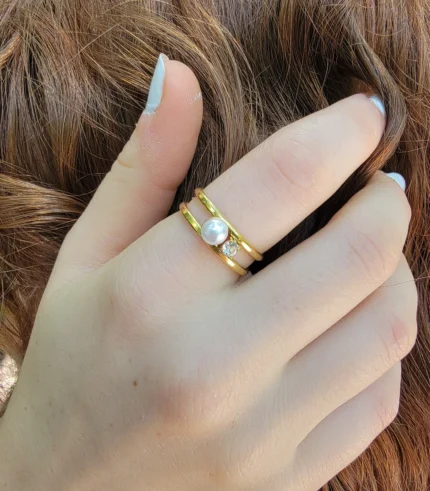
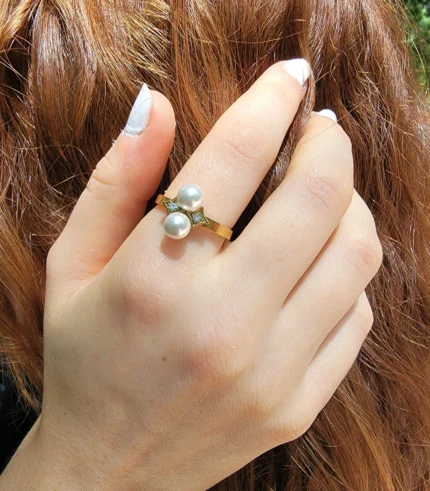
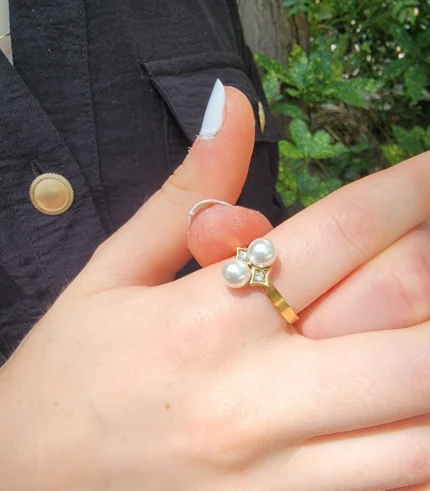
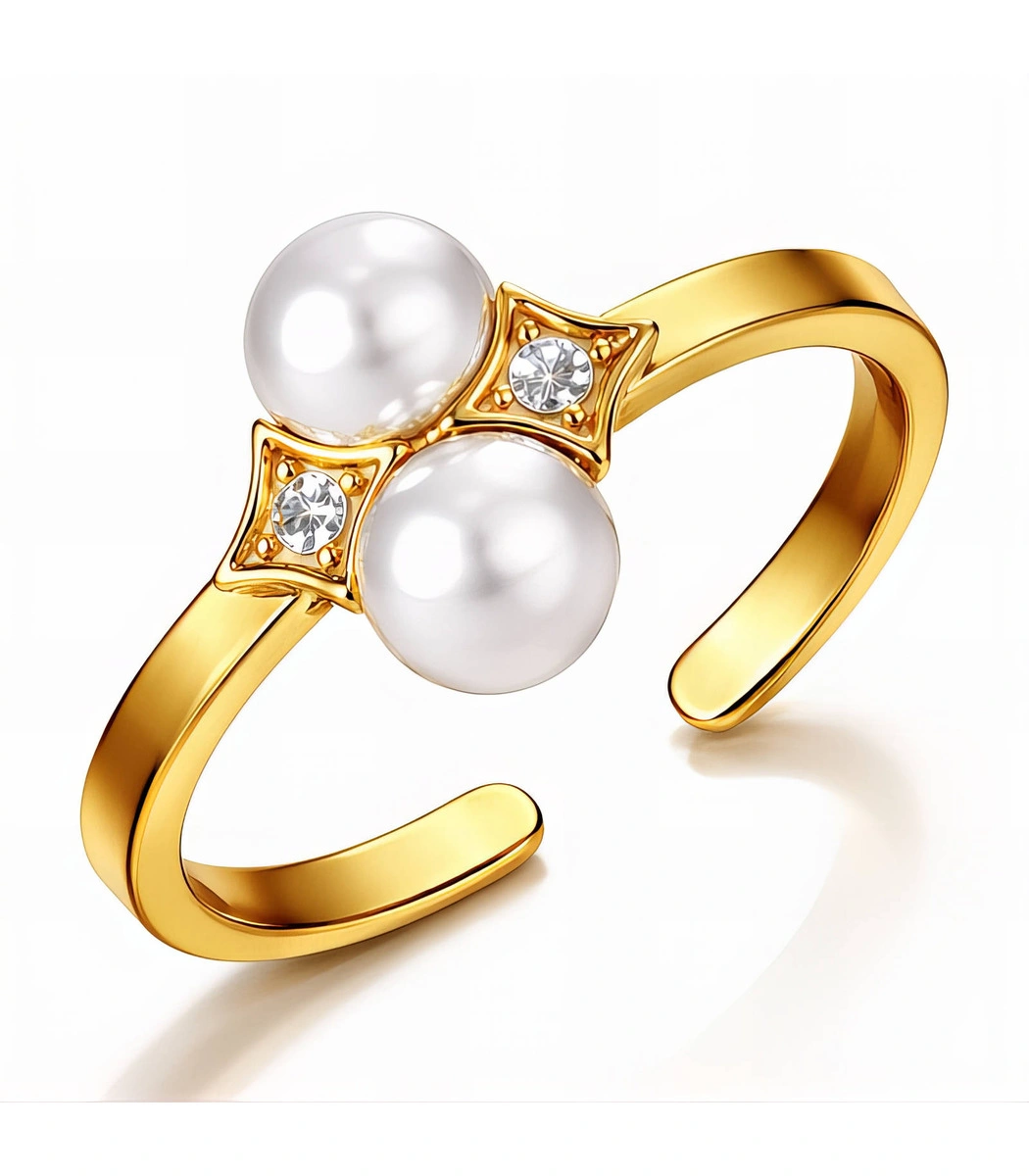
Some materials should never meet baking soda. Pearls, opals, turquoise, coral, and amber are soft and porous. Pearls sit around 2.5 on the Mohs scale. Baking soda is roughly the same hardness, and pearl nacre is delicate. The GIA’s jewelry cleaning and care guidance recommends plain damp cloths for these stones. Emeralds are commonly oil-treated and also dislike abrasives.
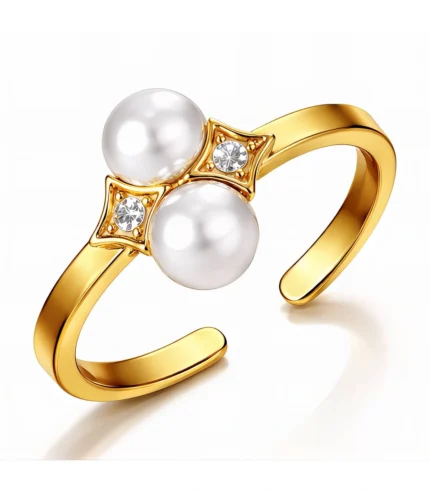
Plated pieces sit in their own category. Any plating is a surface layer, so abrasive pastes are simply the wrong tool. However, this is not a weakness. It is just a different, and honestly simpler, care routine. Baking soda jewelry cleaning is a specialty tool, not a universal one. The Smithsonian’s Museum Conservation Institute makes the same point about historic metals: match the method to the material.
A Safe Step-by-Step Baking Soda Jewelry Routine
For tarnished solid sterling, use the foil bath. Line a glass or ceramic bowl with aluminum foil, shiny side up. Add one tablespoon of baking soda per cup of hot water. Stir until dissolved. Lay the silver directly on the foil so metal touches metal. Contact is essential for the reaction.
Soak for two to five minutes. Heavy tarnish may need a second round. Remove the piece, rinse thoroughly under warm running water, and dry completely with a soft lint-free cloth. Moisture left in chain links causes new tarnish quickly. In most cases, drying matters more than the soak itself.
Skip this bath for anything with glued settings, pearls, or soft stones. Skip it for plated pieces too. For those, a drop of mild dish soap in warm water and a soft baby toothbrush works beautifully. Rinse, pat dry, done. Baking soda jewelry techniques are powerful, so reserve them for the pieces that genuinely benefit.
Caring for 18K Gold Plated Stainless Steel
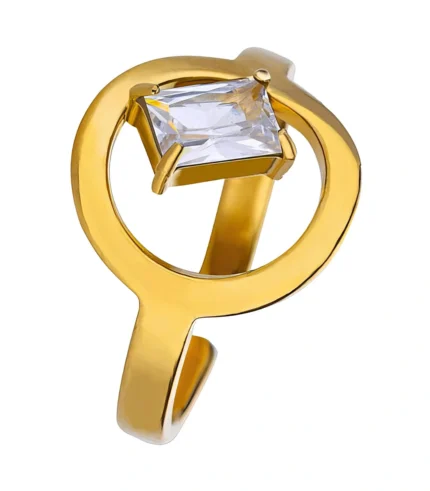
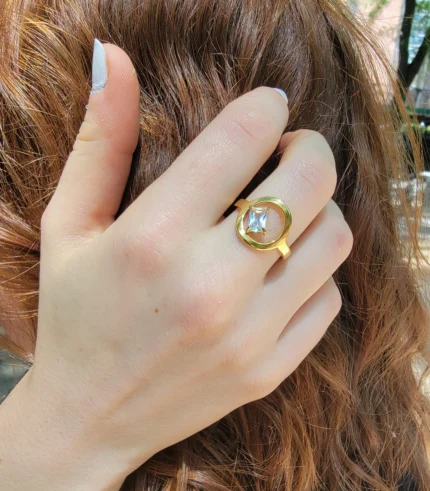
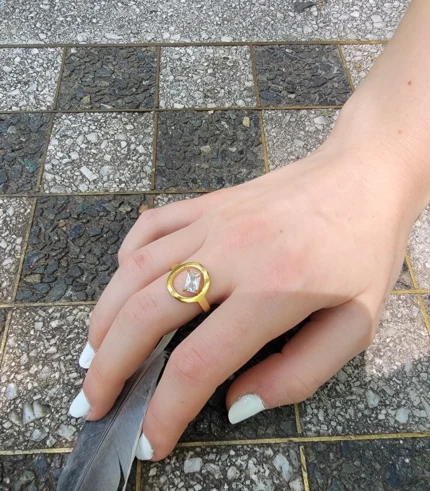
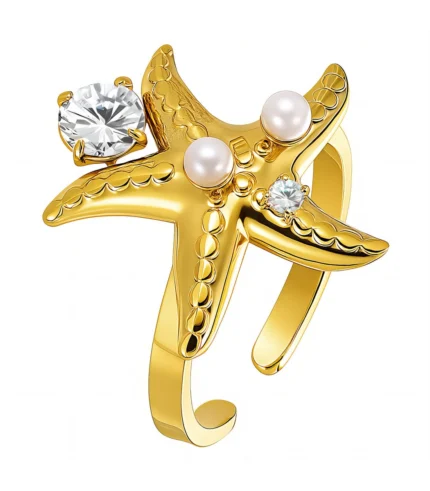
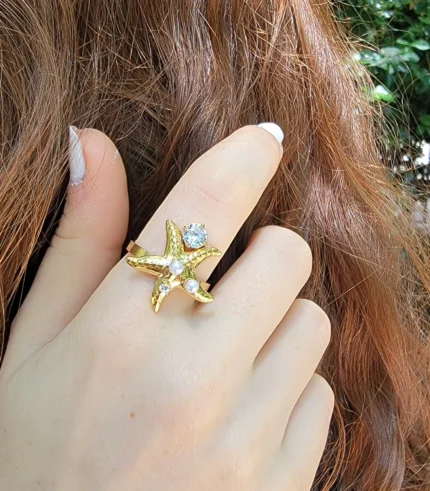
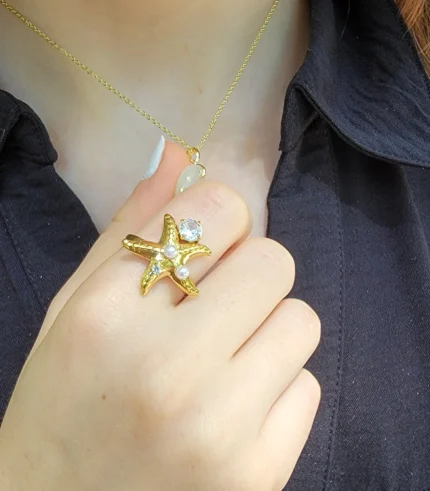
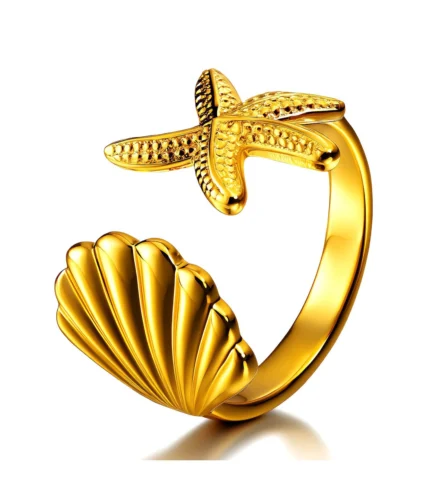
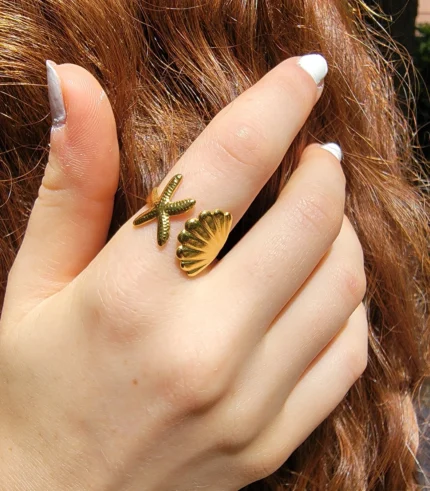
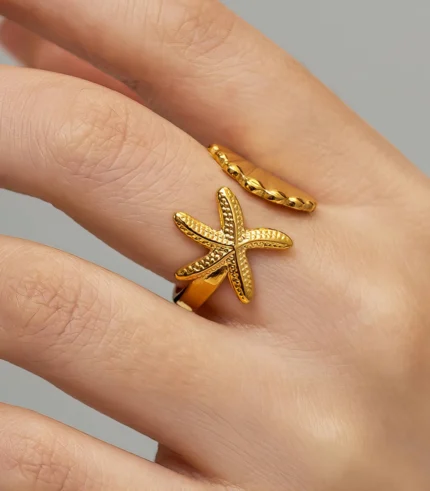
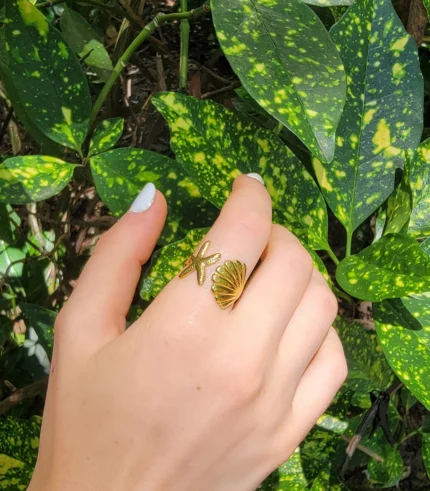
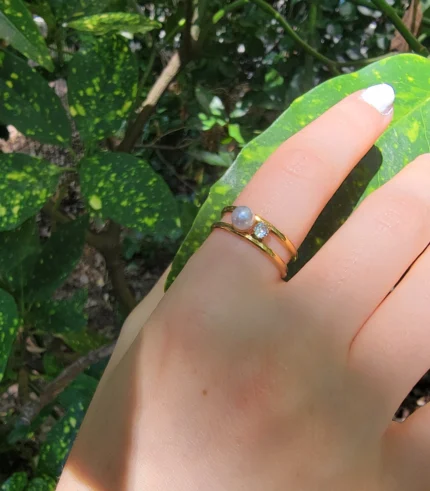
Modern 18K gold plated stainless steel is built for daily life. The stainless base is hypoallergenic and will not rust or bend. Today’s plating technology bonds far more securely than the plating of decades past, so pieces stay scratch-resistant and bright through regular wear. Care is refreshingly easy: wipe with a soft dry cloth after wearing, keep it away from perfume and chlorine, and store it in a pouch. That is a ten-second habit.
Join the KartiKart community
10% off, on top of any current sale, your first order + early access to new collections
Free · No spam · Unsubscribe anytime
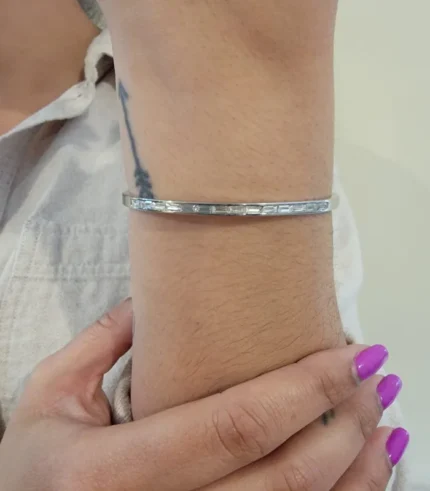
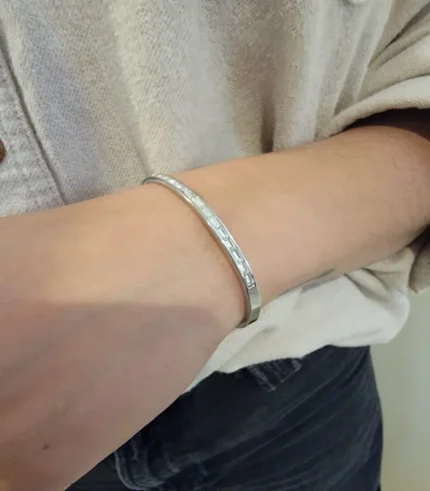
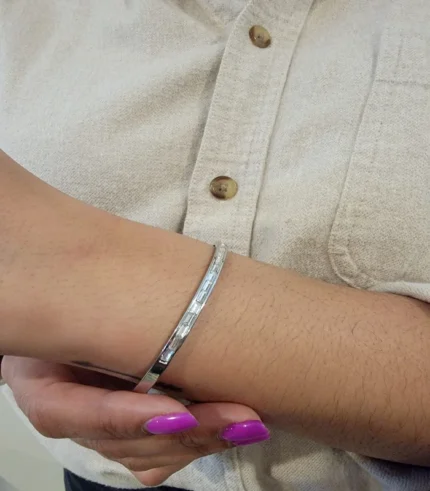
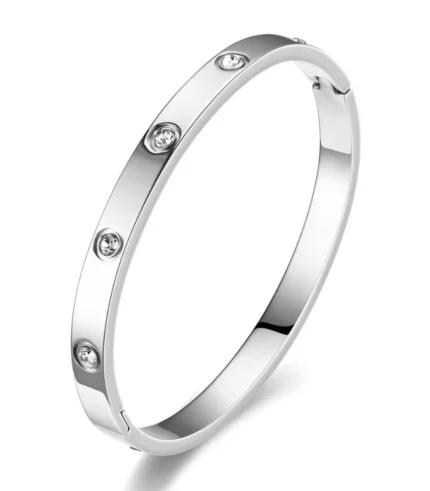
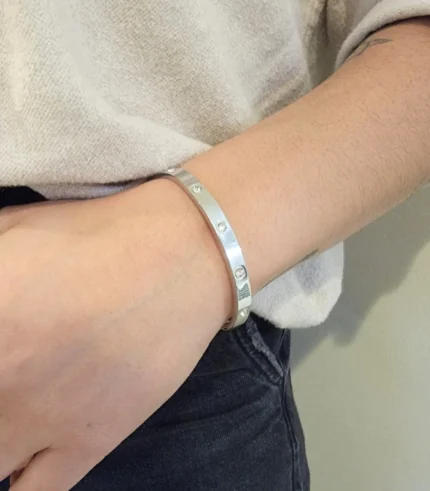
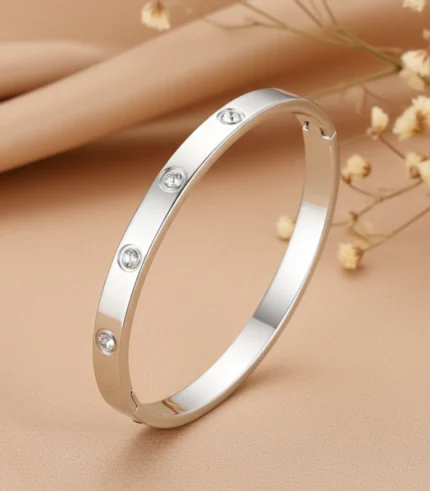
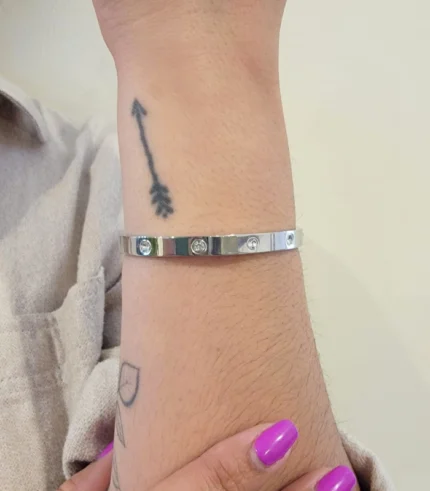
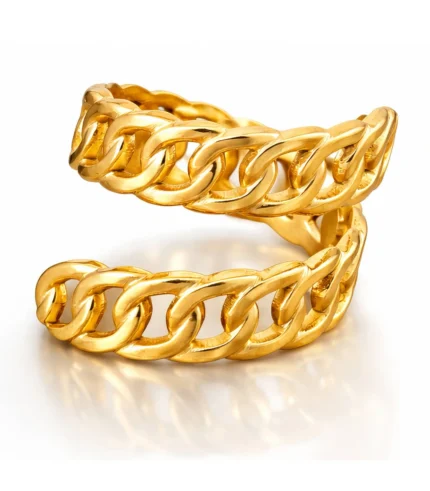
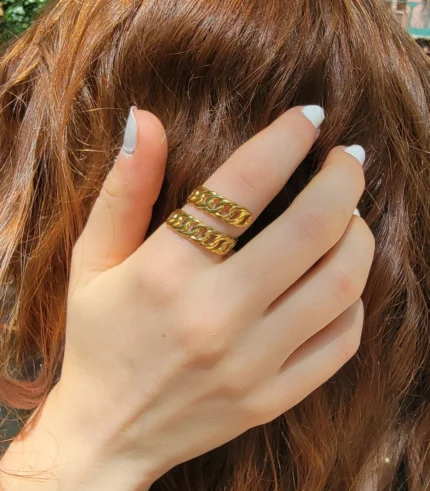
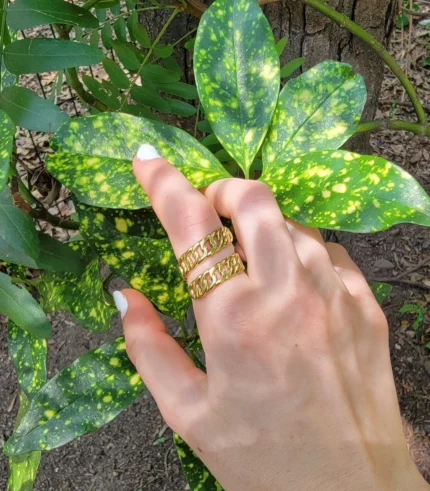
This is also where plated jewelry quietly wins. For the price of one solid gold chain, you can own five beautiful pieces that look identical on the skin. You get a gold mesh bracelet, a dainty pendant, hoops, a cuff, and a layering chain. Variety beats a single expensive piece for most people. Refreshing your collection each season becomes genuinely affordable, and baking soda jewelry rituals are not something you will ever need for these.
Frequently Asked Questions
Does baking soda damage jewelry?
It can, if used as a scrubbing paste on soft or plated surfaces. Baking soda jewelry pastes are mildly abrasive by design. Dissolved in water for a foil bath, it is far gentler.
Can I mix baking soda and vinegar to clean jewelry?
The two neutralize each other into salt water and carbon dioxide fizz. You lose most of the cleaning power of both. Baking soda jewelry baths work better on their own with hot water and foil.
How often should I clean my jewelry?
A quick dry wipe after each wear is enough for most pieces. A proper wash every month or two keeps everything bright. Typically, gold plated stainless steel needs even less attention than sterling silver.
Shop Jewelry at KartiKart
Explore our collection of handcrafted 18K Gold Plated Stainless Steel jewelry. Every piece is designed for everyday elegance at an accessible price point.
New Arrivals · Bracelets · Earrings
Sources & Further Reading
For verified gemstone and jewelry information:
Content last reviewed August 2026. If you notice any outdated information, please contact us.
From the KartiKart shop
Wear what you just read about
Dainty, everyday pieces, handpicked by a husband-and-wife team. Free U.S. shipping, gift-ready packaging, 30-day easy returns, and 5% of every order goes to organizations fighting human trafficking.
Shop tarnish-free gold-plated jewelry →