How Plating Thickness Affects Durability
Plating thickness is the single most useful number in gold plated jewelry. It tells you how much real gold sits on the surface of a piece. It is measured in microns, and one micron equals one thousandth of a millimeter. That sounds tiny, however the difference between 0.5 microns and 2.
5 microns is enormous in daily wear. Most shoppers never hear this number, so they judge pieces by photos alone. Learning to read plating thickness changes how you shop. It helps you spot pieces built for everyday life. It also explains why modern 18K gold plated stainless steel performs so well. This guide breaks down the science, the standards, and the practical buying advice in plain language.
What plating thickness actually measures
Gold plating is an electrochemical process. A base metal item is submerged in a solution containing gold ions. An electrical current pulls those ions onto the surface. The result is a bonded gold layer, not a coating that sits on top like paint. Wikipedia’s overview of gold plating covers the electroplating chemistry in detail.
Plating thickness is simply how long that deposition runs and how much gold is laid down. Longer plating cycles build thicker layers. Typically, jewelry falls into a few bands. Flash plating sits below 0.175 microns. Standard electroplate runs roughly 0.175 to 0.5 microns. Heavy gold electroplate begins at 2.5 microns.
The U.S. Federal Trade Commission sets these terms. “Gold electroplate” requires at least 0.175 microns of 10-karat gold or better. “Heavy gold electroplate” requires at least 2.5 microns. Vermeil uses the same 2.5 micron floor, but on a sterling silver base. For example, a piece labeled HGE has over fourteen times the gold of the legal minimum.
Shop tarnish-free gold-plated jewelry
View all →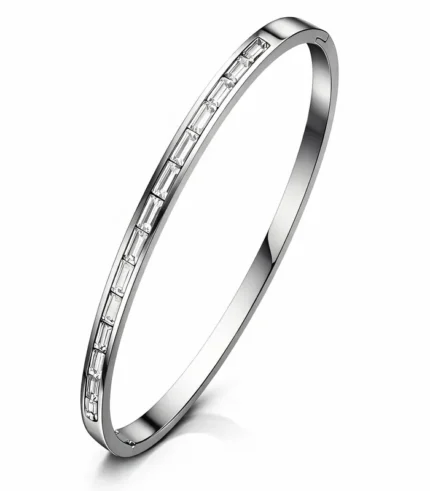
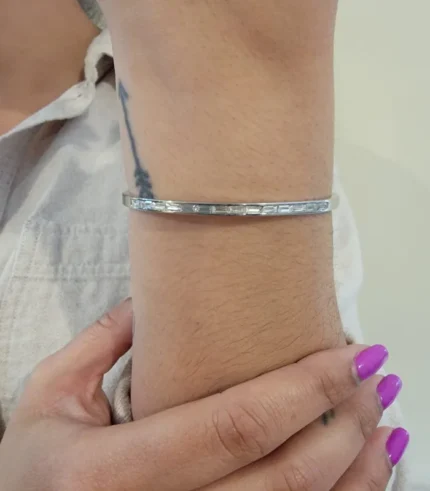
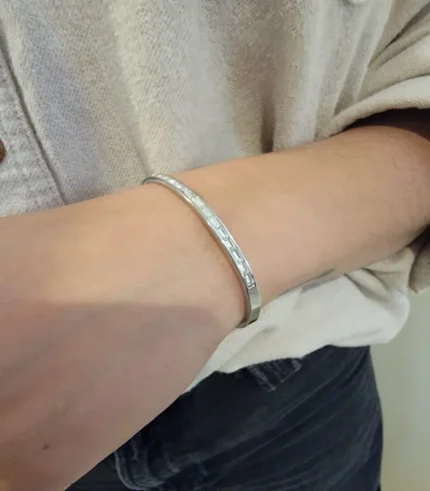
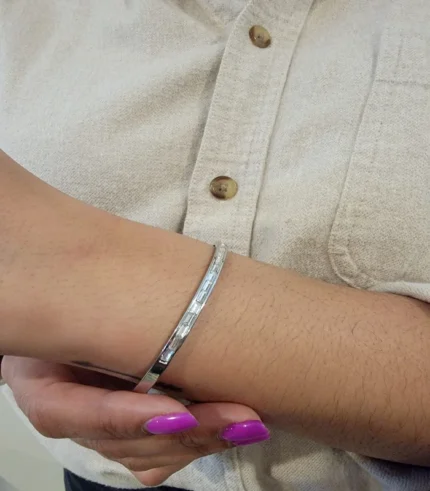
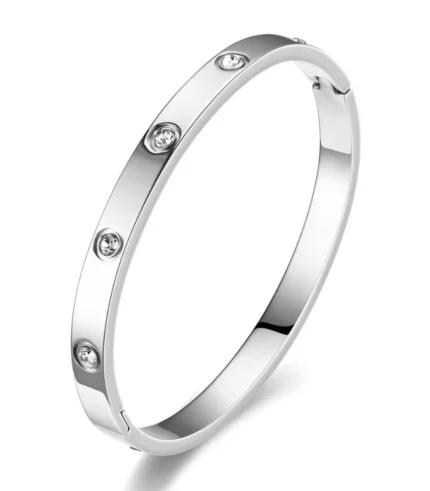
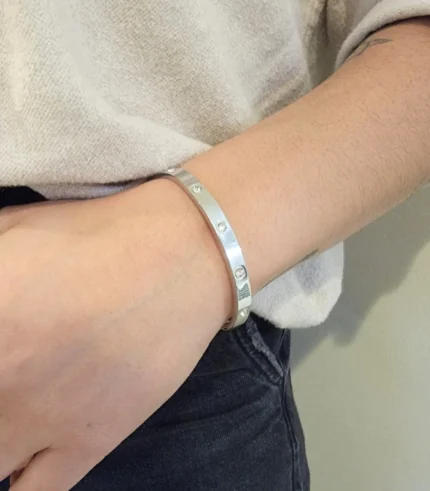
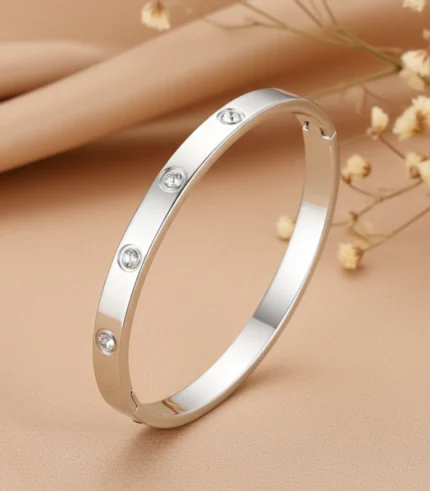
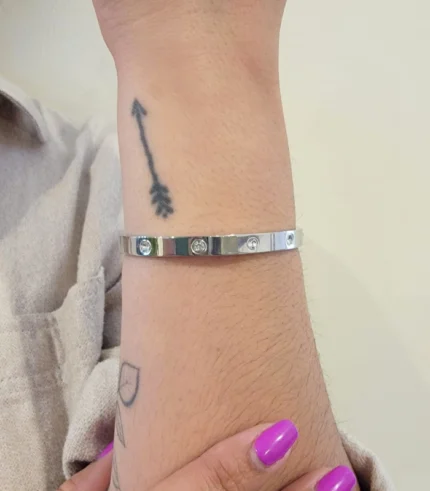
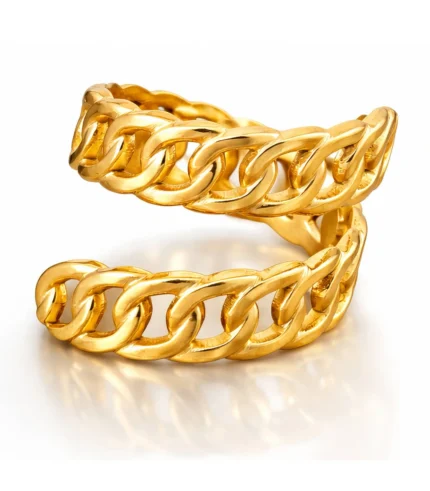
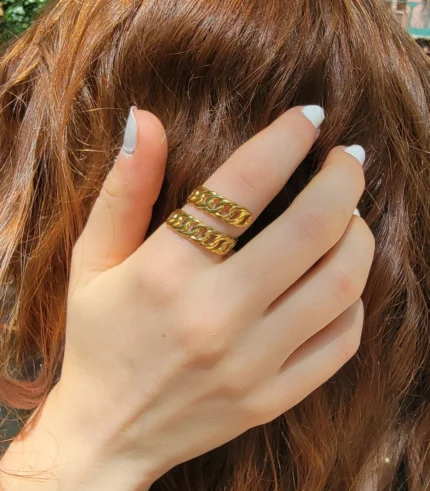
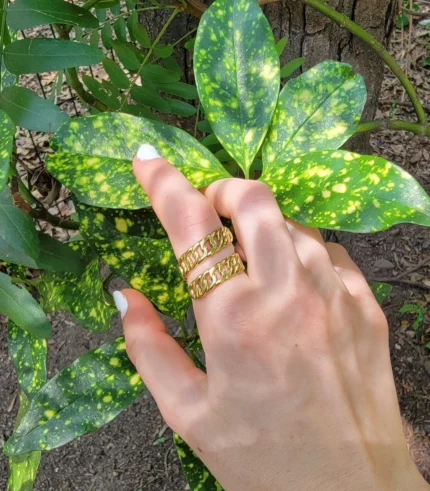
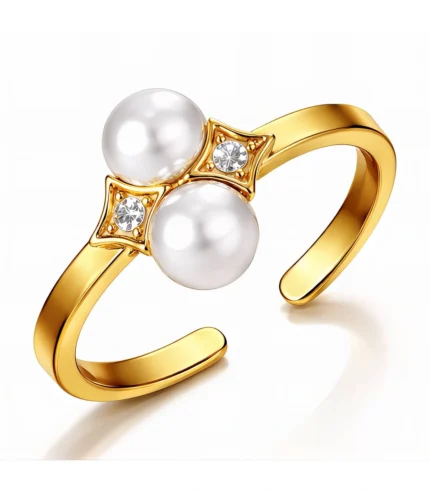
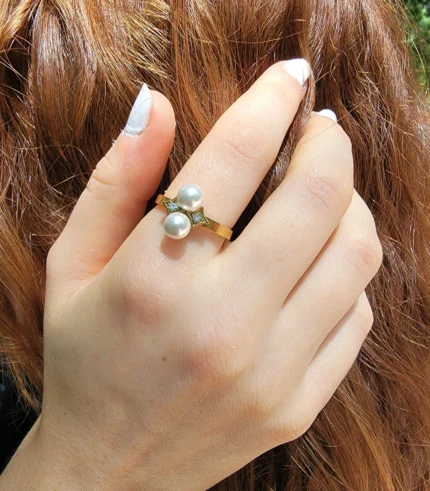
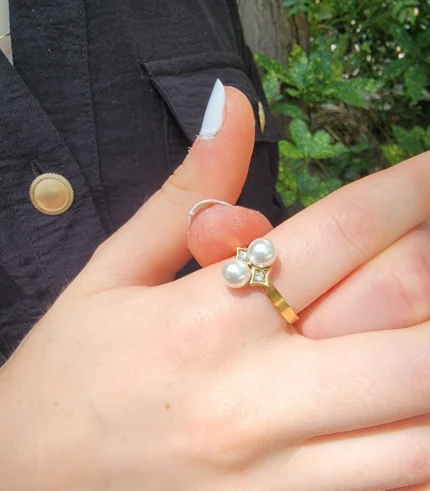
How plating thickness affects durability in real wear
Gold does not chip. It wears down gradually through friction. Every time your bracelet brushes a desk, a microscopic amount of surface is removed. Thicker plating simply means more material to work through. That is the entire durability story in one sentence.
In most cases, wear shows first at contact points. Think ring bands, bracelet clasps, and the back of a pendant. Earrings and necklaces see far less friction, so they hold their finish longer. A necklace at 0.5 microns may look perfect for years. A ring at the same plating thickness will show change much sooner.
This is why matching plating thickness to the piece type matters more than chasing one big number. Low-contact pieces perform beautifully around 0.5 to 1.0 microns. High-contact pieces reward 1.0 to 2.5 microns and above. A well-made brand chooses thickness by category, not by a single blanket spec.
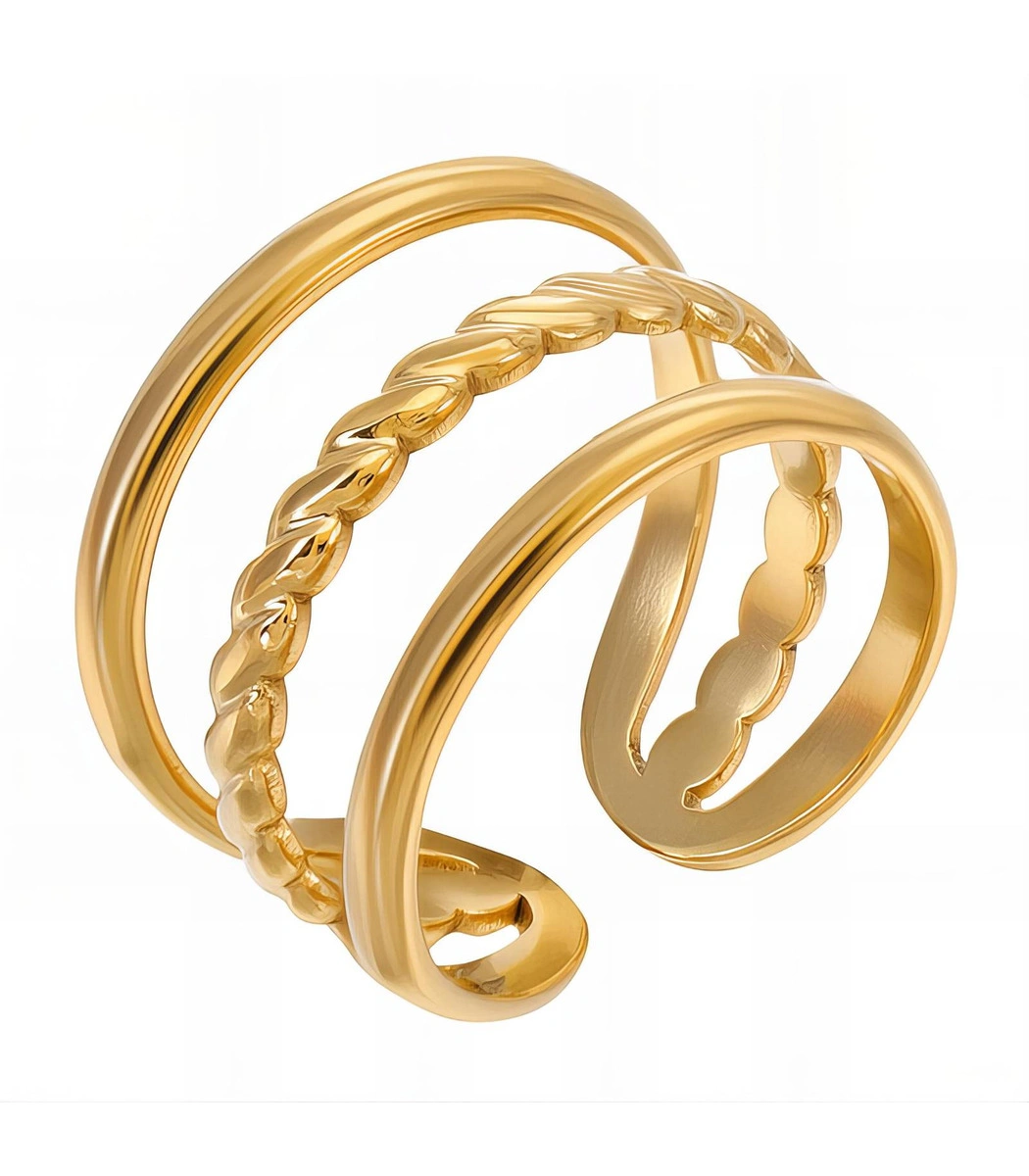
Why the base metal matters as much as the gold layer
Here is the part most guides skip. Plating thickness never works alone. The metal underneath determines how the gold layer behaves over years of wear.
Softer base metals like brass and copper flex and dent easily. When the base moves, the gold layer above it stresses and lifts. Those metals also oxidize, and that oxidation can migrate upward and dull the finish. Nickel in cheaper alloys is a common irritant for sensitive skin, which the GIA’s guide to gold jewelry touches on when discussing alloy composition.
Stainless steel changes the equation completely. It is rigid, corrosion-resistant, and does not oxidize under the plating. The gold layer sits on a stable, unmoving foundation. That stability means a given plating thickness lasts substantially longer on steel than on brass. It is also naturally hypoallergenic. This is why KartiKart builds every 18K gold plated piece on a stainless steel core. You get the warm 18K color with a structural backbone that keeps it looking right.
How to judge plating thickness when you shop
Start by looking for a stated number. Brands confident in their plating thickness publish it. Vague phrases like “gold tone” or “gold finish” usually signal flash plating. A specific micron figure signals a real manufacturing spec.
Next, check the base metal. Stainless steel is the strongest indicator of everyday durability. Then check the karat. 18K plating carries a richer, warmer tone than 14K and resists color shift better than lower karats.
Finally, weigh the piece against your habits. If you wear one bracelet every single day for years, prioritize thickness. However, if you rotate between several pieces, each one sees a fraction of the wear. That rotation effect is real, and it is one of the quiet advantages of building a varied collection. Five gold plated pieces at the price of one solid gold piece means each gets worn a fifth as often. Your collection lasts longer and you get far more range in how you dress.
Join the KartiKart community
10% off, on top of any current sale, your first order + early access to new collections
Free · No spam · Unsubscribe anytime
Simple habits that protect plating thickness
Good care is fast. Take pieces off before showering, swimming, or the gym. That is a ten-second habit. Apply perfume, lotion, and hairspray first, then put your jewelry on. Chlorine and chemical sprays are what actually shorten a finish’s life, not normal wear.
Store pieces separately in a pouch or a lined box so they do not rub each other. Wipe them with a soft dry cloth after wearing. Skip ultrasonic cleaners and polishing compounds entirely, since those are designed to remove surface material. Do these things and your plating thickness stays where it started for years.
Frequently Asked Questions
What plating thickness is considered good for jewelry?
Anything at or above 0.5 microns is solid for everyday jewelry. Rings and bracelets benefit from 1.0 microns or more. On a stainless steel base, these numbers perform noticeably better than on brass.
Does thicker plating always mean better jewelry?
Not on its own. Plating thickness works together with base metal quality and karat. A 0.5 micron layer on stainless steel often outlasts a thicker layer on soft brass.
Can gold plating be reapplied later?
Yes. Any jeweler offering electroplating services can re-plate a piece, typically for a modest fee. It is a straightforward way to refresh a favorite item and restore its original plating thickness.
Shop Jewelry at KartiKart
Explore our collection of handcrafted 18K Gold Plated Stainless Steel jewelry. Every piece is designed for everyday elegance at an accessible price point.
Earrings · Best Sellers · Bracelets
Sources & Further Reading
For verified gemstone and jewelry information:
Content last reviewed August 2026. If you notice any outdated information, please contact us.
From the KartiKart shop
Wear what you just read about
Dainty, everyday pieces, handpicked by a husband-and-wife team. Free U.S. shipping, gift-ready packaging, 30-day easy returns, and 5% of every order goes to organizations fighting human trafficking.
Shop tarnish-free gold-plated jewelry →