How Translucency Affects Jade Value
Jade translucency is one of the biggest factors separating a modest piece of jade from a museum-worthy treasure. According to the Gemological Institute of America, jadeite’s three most important qualities are color, transparency, and texture — in that order of market impact. Translucency describes how far light travels into a stone before scattering back out.
Highly translucent jade seems to glow from within. Opaque jade simply reflects light off its surface. However, most shoppers focus only on color and miss this second factor entirely. That is a costly oversight. Two jade pieces can share an identical green hue and still differ in price by a factor of a hundred. In most cases, the difference comes down to how light behaves inside the stone.
Why jade translucency drives value so strongly
Jadeite is made of tightly interlocked microscopic crystals. When those crystals are fine and evenly packed, light passes through cleanly. When they are coarse or loosely arranged, light scatters at every grain boundary. That scattering is what makes jade look chalky or flat. So jade translucency is really a report card on the stone’s internal structure.
This is why texture and translucency are usually judged together. A fine-grained stone almost always looks more translucent. For example, the finest material of all is called “Imperial jade” — nearly semi-transparent, with a vivid emerald green caused by trace chromium. Pieces at that level have sold for millions at auction.
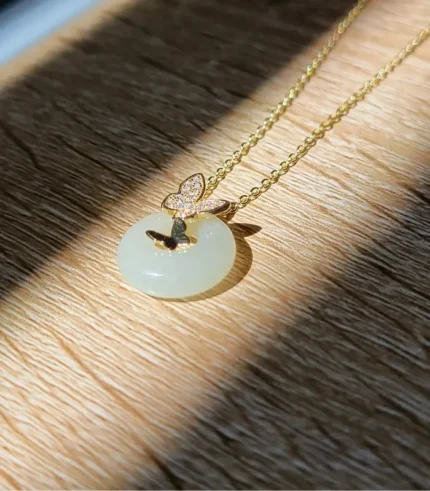
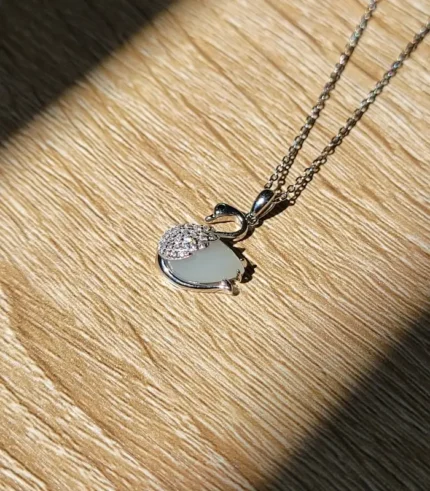
Typically, buyers describe the effect as “wet” or “watery.” The stone looks like it holds moisture. That glow is jade translucency doing its work, and no amount of polishing can fake it.
Shop white & blue jade jewelry
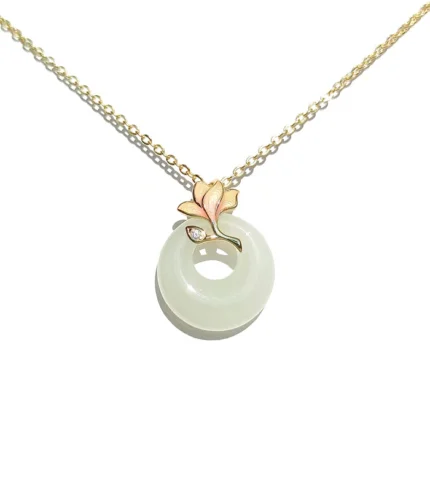
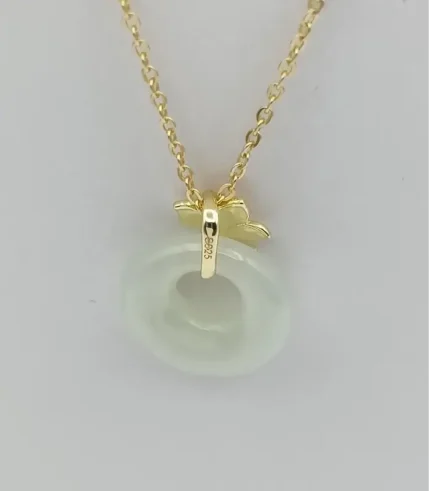
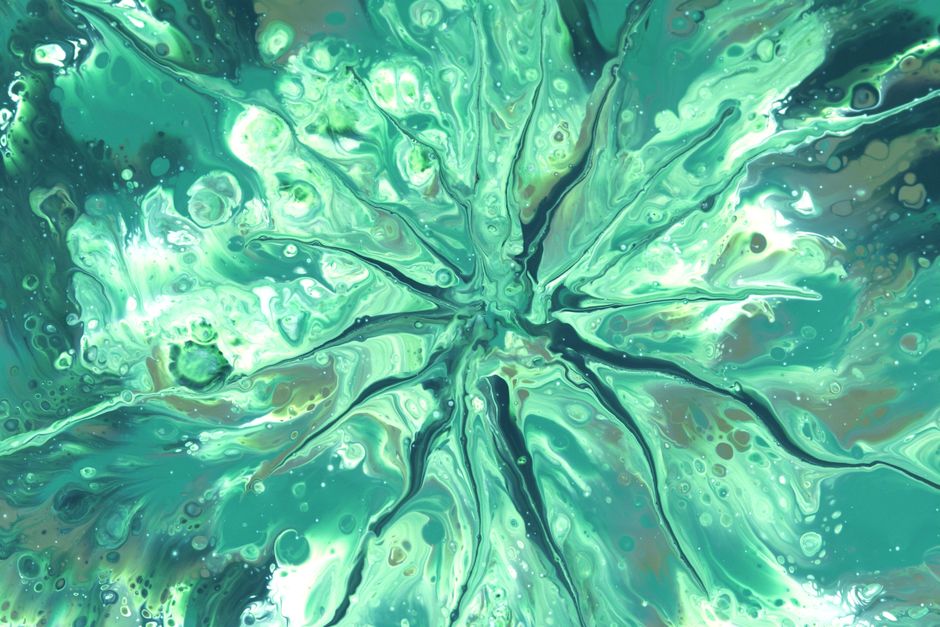
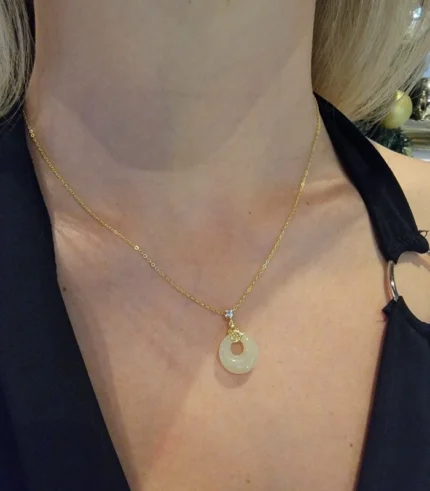
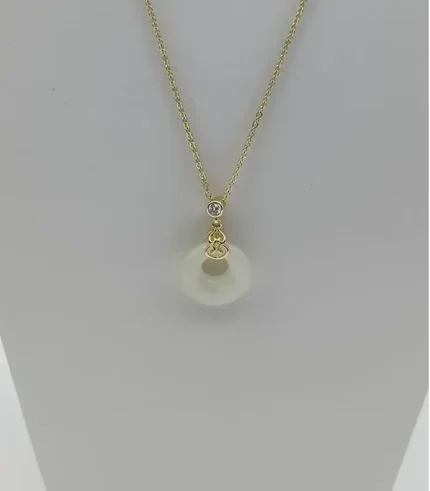
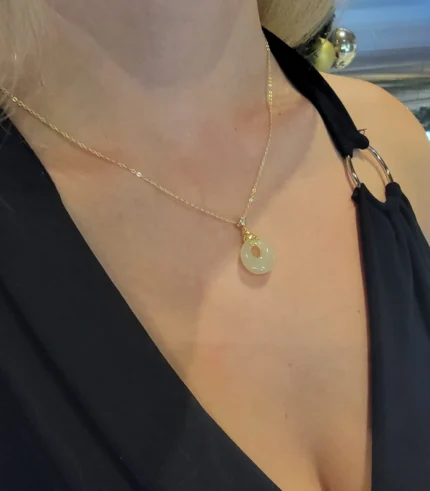
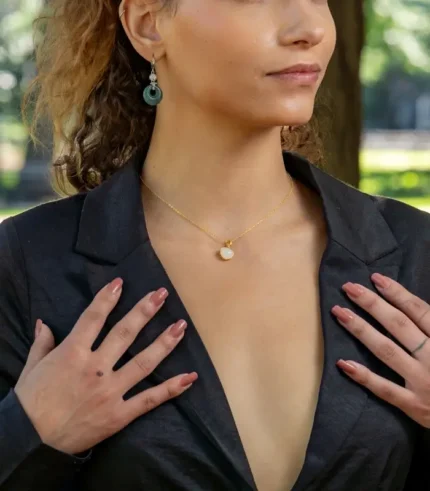
View all →Genuine White Jade Bi Disc Necklace in 14K Gold Plated Silver
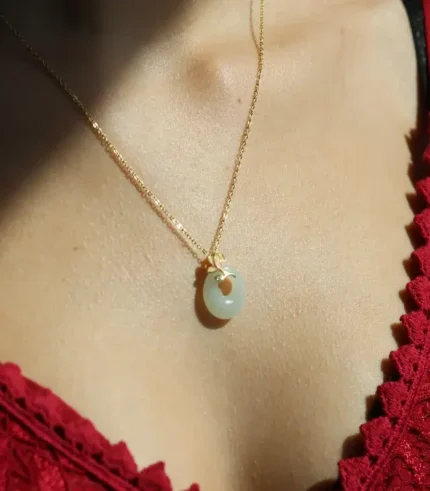
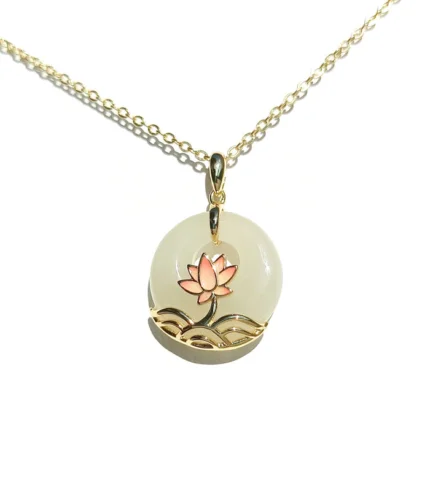
Original price was: $85.00.$76.50Current price is: $76.50.Genuine White Jade Lotus Necklace
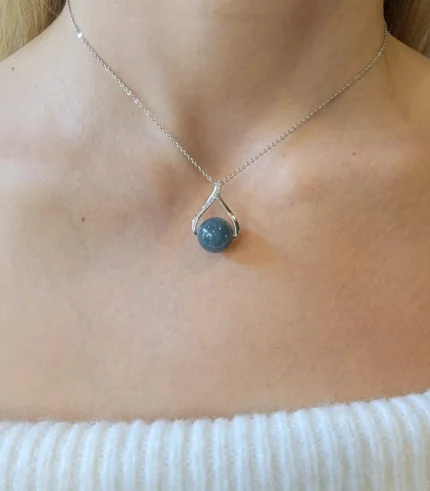
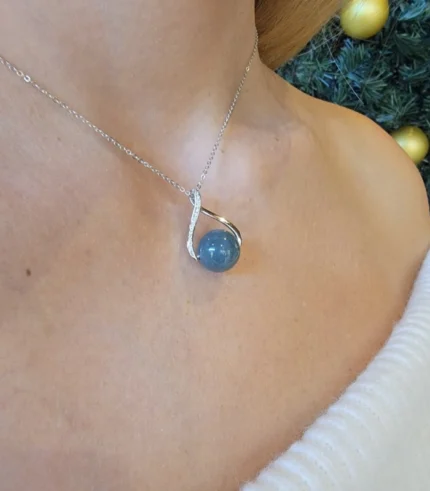
Original price was: $85.00.$76.50Current price is: $76.50.Genuine Blue Jade Round Necklace in Sterling Silver
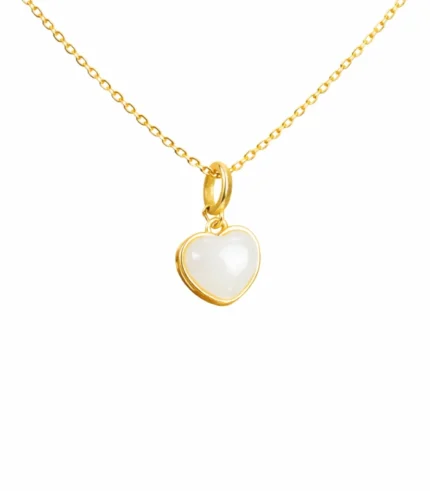
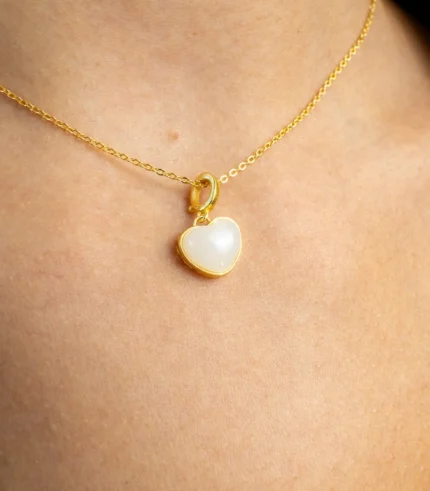
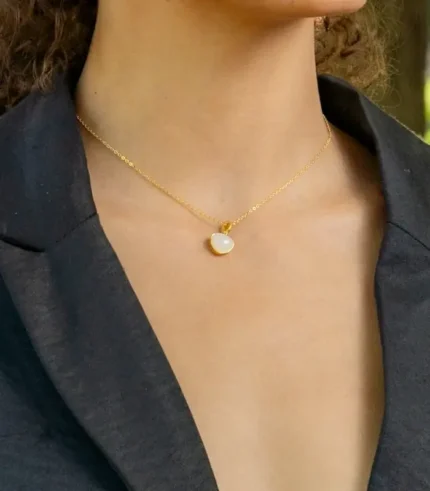
Original price was: $85.00.$76.50Current price is: $76.50.Genuine White Jade Heart Pendant Necklace in 14K Gold Plated Sterling Silver
Original price was: $85.00.$76.50Current price is: $76.50.
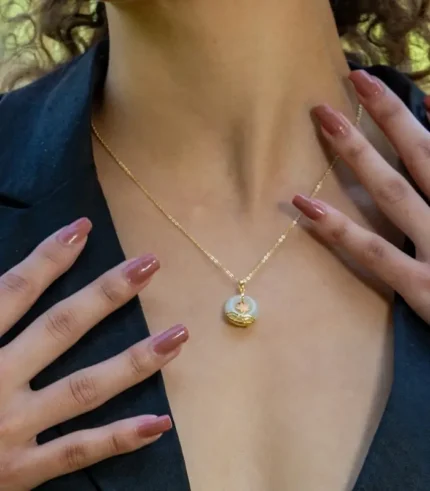
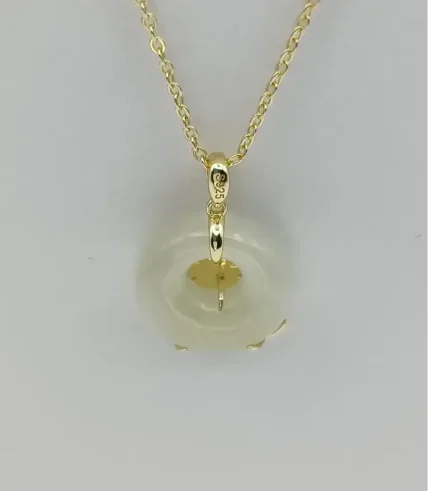
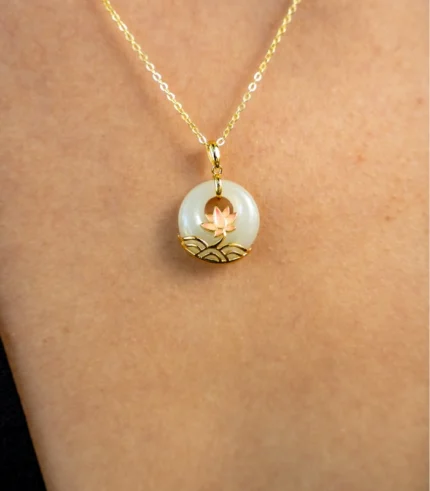
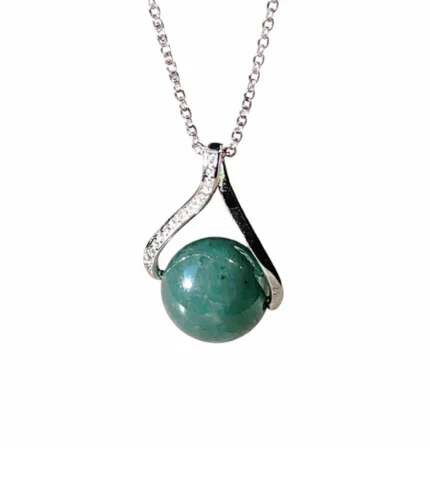

The grading vocabulary from opaque to glass
The trade uses a simple ladder. At the bottom sits opaque jade, which blocks light almost entirely. Above that comes semi-translucent, then semi-transparent, then genuinely transparent material, which is extremely rare.
Chinese dealers use a more poetic scale for jade translucency. It climbs through “bean,” “flower,” “ice,” and finally “glass.” Ice jade — bing zhong — already looks like a frozen pond. Glass jade, or boli zhong, sits at the very top. You can sometimes discern shapes through it.
Treatment matters here too. Type A jadeite is natural and untreated, cleaned only with a light surface wax. Type B has been bleached and polymer-impregnated to remove brown staining. That process can boost apparent jade translucency artificially, but the polymer yellows and degrades over years. Only Type A commands full market value. Learn more about the mineral itself on Wikipedia’s jade page.
How to test jade translucency yourself
Start with a small flashlight. Press it against the back of the stone in a dim room. Watch how far the glow spreads through the material. A bright halo means good translucency. A dull spot means the light stopped at the surface.
Next, hold the piece up against a window. Look for even light transmission across the whole stone. Uneven patches often signal internal fractures or coarse zones. Also check for a fine granular texture under magnification — visible grain usually predicts weaker jade translucency.
Then look for the “orange peel” effect on the polished surface, a subtle dimpling common in natural jadeite. However, do not rely on any single test. Ask for a lab report from GIA or another recognized laboratory before spending serious money. Reports confirm both species and treatment type, which protects your investment far better than a seller’s word.
Building a collection around jade translucency and gold tones
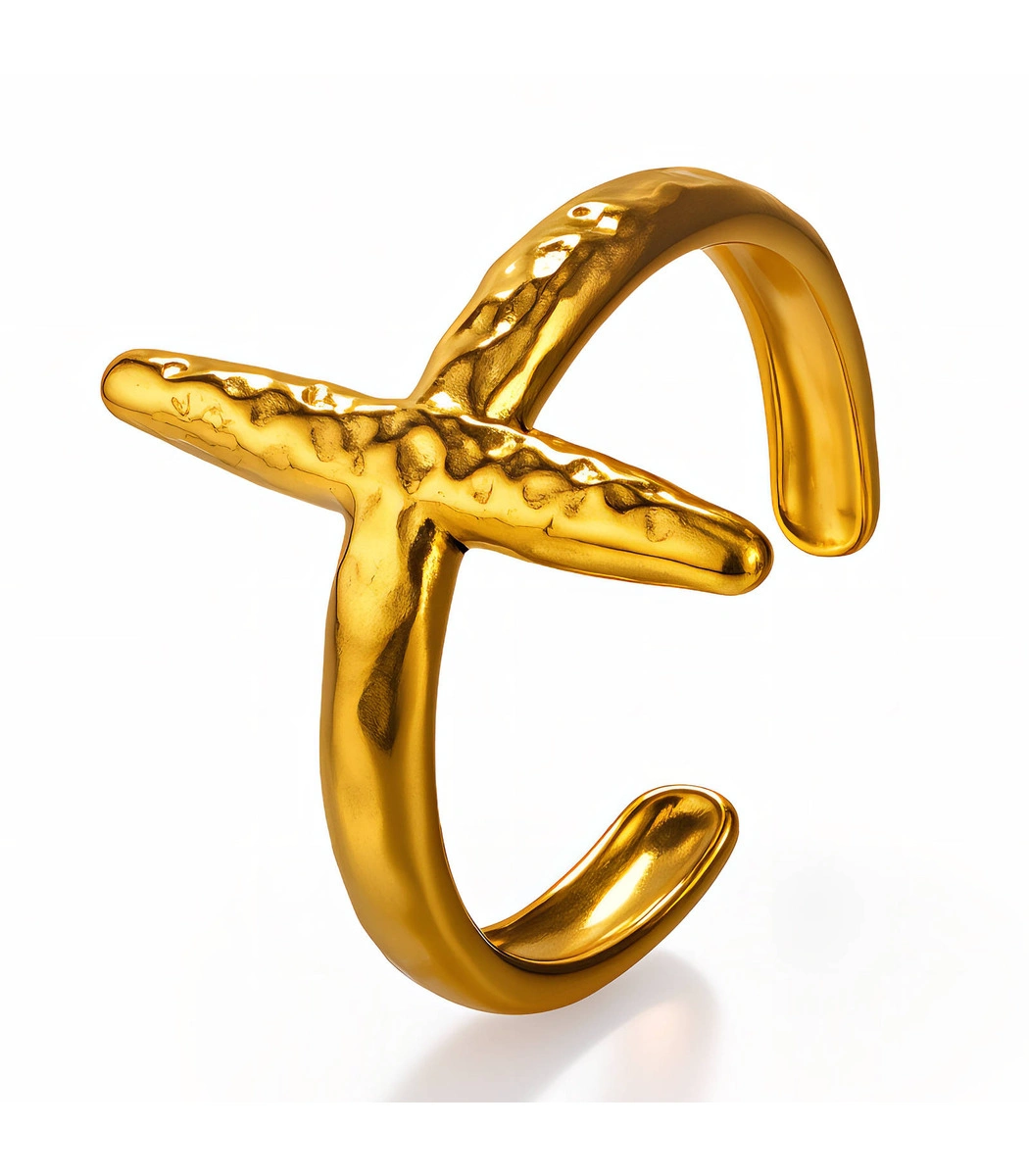
Fine jade rewards a setting that lets light reach it. Open-back bezels and airy gold frames both help. For example, an 18K gold plated stainless steel setting gives you that warm gold glow while keeping the piece light enough for all-day wear. Modern plating on stainless steel is scratch-resistant, hypoallergenic, and built for daily use.
Join the KartiKart community
10% off, on top of any current sale, your first order + early access to new collections
Free · No spam · Unsubscribe anytime
This is the smart way to build variety. For the price of one solid gold mounting, you can own five different pieces and rotate them with your wardrobe. Care takes ten seconds — wipe with a soft cloth after wearing, keep pieces out of the shower, and store them in a pouch. Those small habits keep both your gold finish and your jade translucency looking brilliant for years.
Frequently Asked Questions
Does higher jade translucency always mean higher price?
Not on its own. Translucency must pair with strong, even color to reach top value. A very translucent stone with pale or grayish color still sells for far less than Imperial jade.
Can jade be treated to look more translucent?
Yes. Type B jadeite is acid-bleached and filled with polymer resin, which increases apparent translucency. However, the resin degrades over time. Always request a lab report confirming Type A status.
Is nephrite jade less translucent than jadeite?
Generally, yes. Nephrite tends toward a soft, waxy glow rather than the watery clarity of top jadeite. Fine nephrite is still beautiful, but it rarely reaches glass-jade levels of transparency.
Shop Jewelry at KartiKart
Explore our collection of handcrafted 18K Gold Plated Stainless Steel jewelry. Every piece is designed for everyday elegance at an accessible price point.
Necklaces · Best Sellers · Bracelets
Sources & Further Reading
For verified gemstone and jewelry information:
Content last reviewed August 2026. If you notice any outdated information, please contact us.
From the KartiKart shop
Wear what you just read about
Dainty, everyday pieces, handpicked by a husband-and-wife team. Free U.S. shipping, gift-ready packaging, 30-day easy returns, and 5% of every order goes to organizations fighting human trafficking.
Shop white & blue jade jewelry →Pieces our readers love
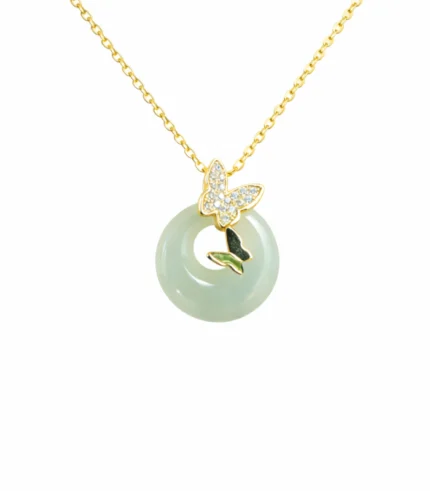
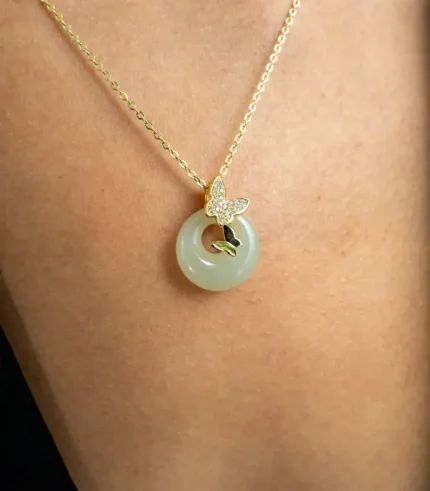
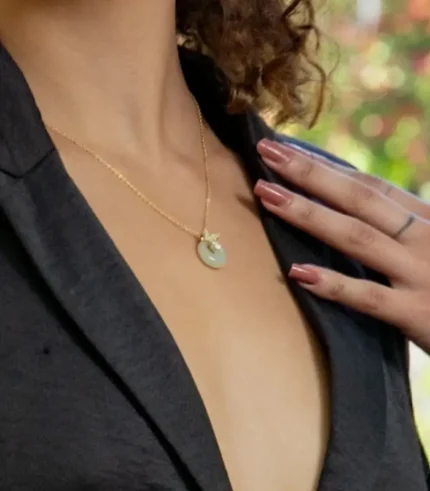
View all →Genuine White Jade Butterfly Necklace in 14K Gold Plated Silver
Original price was: $85.00.$76.50Current price is: $76.50.Genuine White Jade Flower Pendant Necklace in 14K Gold Plated Sterling Silver
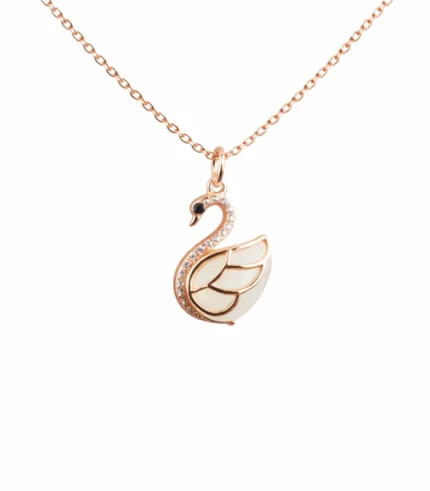
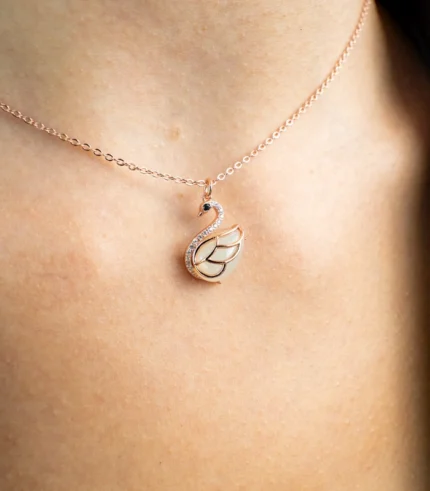
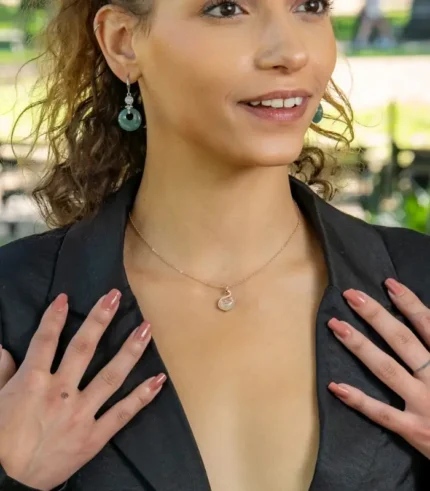
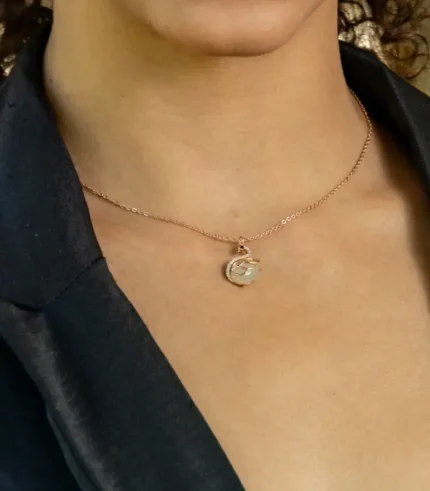
Original price was: $85.00.$76.50Current price is: $76.50.Genuine White Jade Swan Necklace in 14K Rose Gold Plated Silver
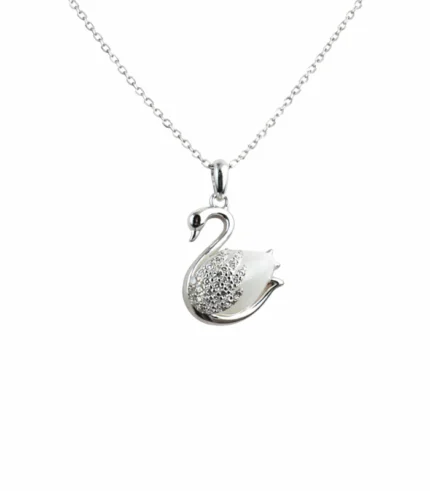
Original price was: $85.00.$76.50Current price is: $76.50.Genuine White Jade Swan Necklace in Sterling Silver
Original price was: $85.00.$76.50Current price is: $76.50.