Jade Toggle Clasps and Why They Last
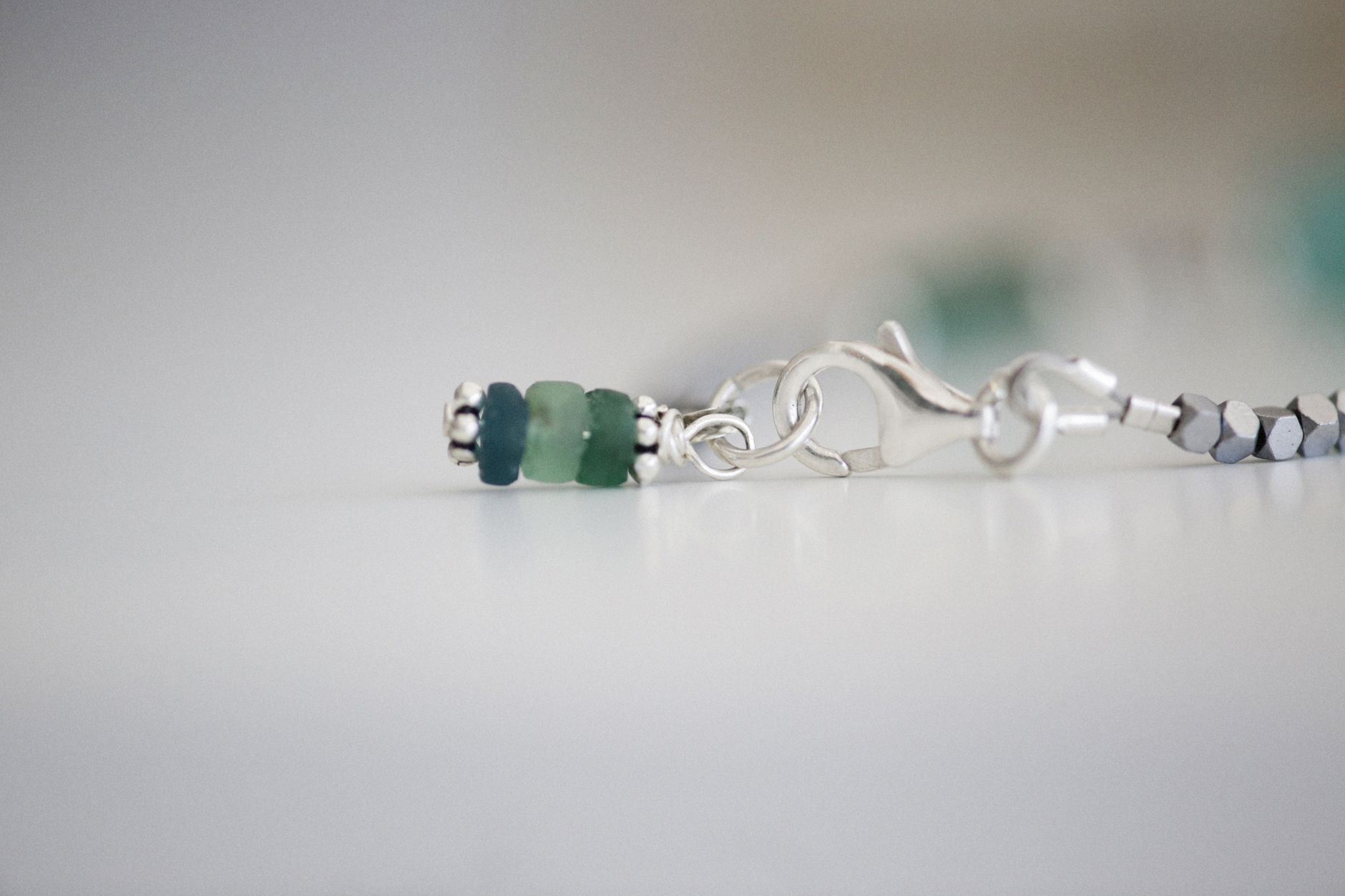
Jade toggle clasp designs have quietly become one of the most reliable closures in modern jewelry. The idea is simple. A T-shaped bar slides sideways through an open ring, then turns and locks in place. When that ring is carved from jade, the clasp becomes part of the design instead of a hidden afterthought.
Jade is one of the toughest natural materials used in jewelry. That toughness matters at the exact point where a bracelet or necklace takes the most stress. In most cases, the clasp is the first thing to fail on a piece. A jade toggle clasp is built to avoid that problem entirely.
How a jade toggle clasp actually works
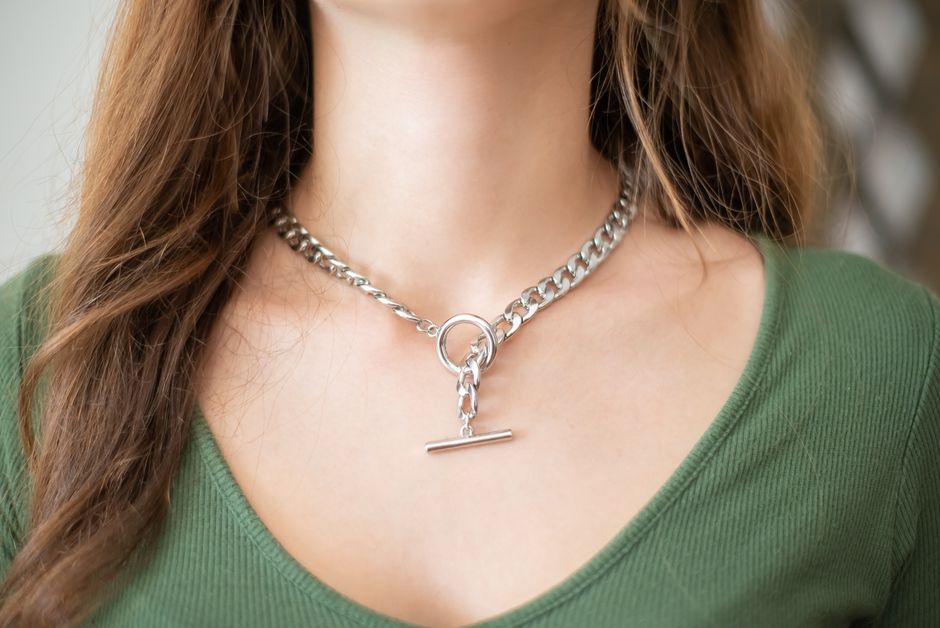
The mechanism has only two parts. One end of the chain carries a bar. The other carries a ring. You slide the bar through the ring lengthwise, then let it drop flat. The bar is longer than the opening, so it cannot slip back out. Gravity and chain tension do the rest of the work.
This is why a jade toggle clasp performs better on heavier pieces. The weight of the chain pulls the bar tight against the ring. For example, a substantial curb chain bracelet holds a toggle more securely than a whisper-thin one. Oval and square openings grip better than perfectly round ones.
There are no springs inside. There are no tiny levers to wear out. A lobster clasp has a small spring that fatigues over years of use. A jade toggle clasp has nothing to fatigue, which is the entire point.
Why jade holds up where other stones crack
Jewelers separate two different properties: hardness and toughness. Hardness is resistance to scratching. Toughness is resistance to breaking and chipping. According to the Gemological Institute of America, jade rates highly on both counts. Jadeite sits around 6.5 to 7 on the Mohs scale. Nephrite sits around 6 to 6.5.
However, the real story is toughness. Nephrite jade has one of the highest toughness ratings of any natural mineral. Its structure is a dense mat of interlocking fibers. Force does not travel cleanly through it. Instead, the fibers absorb and scatter the impact.
That is why ancient cultures carved jade into axe heads and tools long before they carved it into ornaments. Jade objects have survived thousands of years in burial sites. A ring shape under repeated tension is a far gentler job than an axe blade. This is exactly the kind of load a jade toggle clasp handles well.
What to look for when buying
Start with the bar length. It should clearly exceed the diameter of the ring opening. A bar that barely clears the ring will work loose during wear. Typically, you want at least a few millimeters of overhang on each side.
Next, check the ring wall thickness. A thin, delicate jade ring looks lovely but concentrates stress. A slightly thicker profile distributes force across more material. Ask whether the jade is nephrite or jadeite. Both work well, though nephrite is the tougher of the two for structural roles.
Then look at how the jade connects to the metal. The best construction wraps or caps the jade rather than drilling a stress point through a thin edge. Finally, test the drop. A well-made jade toggle clasp should flip closed on its own when you let it hang.
Styling and caring for a jade toggle clasp
Wear the clasp at the front. That is the whole appeal. A jade toggle clasp is meant to be seen, not tucked behind your neck. Green jade reads beautifully against warm 18K gold plating, and white jade gives a softer, more neutral finish. Both pair well with stainless steel chains, which are lightweight enough to stay comfortable all day.
Care takes about ten seconds. Put your jewelry on last, after lotion and perfume. Take it off before showering or swimming. Store it in a soft pouch rather than a tangled pile. These small habits keep both the jade and the gold finish looking new for years. Modern 18K gold plating on stainless steel is scratch-resistant and hypoallergenic, so it is genuinely built for daily wear.
Join the KartiKart community
10% off, on top of any current sale, your first order + early access to new collections
Free · No spam · Unsubscribe anytime
Jade toggle clasp versus other closures
A spring ring is small and inexpensive but has the shortest working life. A lobster clasp is stronger, though it still relies on a spring. A magnetic clasp is easy to fasten but can release under a sharp pull. A jade toggle clasp trades a little fiddliness for real mechanical simplicity.
There is also the value question. Gold plated stainless steel lets you own five beautiful pieces for the price of one solid gold piece. That variety is the smart play. You can match a jade toggle clasp bracelet to different outfits, layer several chains, and refresh your collection whenever your taste shifts. A single expensive piece cannot do that.
Frequently Asked Questions
Are jade toggle clasps secure enough for everyday wear?
Yes, in most cases. The bar locks under the chain’s own weight and tension. Just make sure the bar is meaningfully longer than the ring opening before you buy.
Can a jade toggle clasp break if I drop it?
It is unlikely. Jade has exceptional toughness, meaning it resists chipping and fracturing far better than most gems. A hard strike on a tile floor is still worth avoiding, however.
Does the jade scratch over time?
Jadeite is quite scratch-resistant at 6.5 to 7 on the Mohs scale. Nephrite is slightly softer and may show fine marks eventually. Storing pieces separately in soft pouches prevents almost all of it.
Shop Jewelry at KartiKart
Explore our collection of handcrafted 18K Gold Plated Stainless Steel jewelry. Every piece is designed for everyday elegance at an accessible price point.
Necklaces · New Arrivals · Bracelets
Sources & Further Reading
For verified gemstone and jewelry information:
Content last reviewed September 2026. If you notice any outdated information, please contact us.