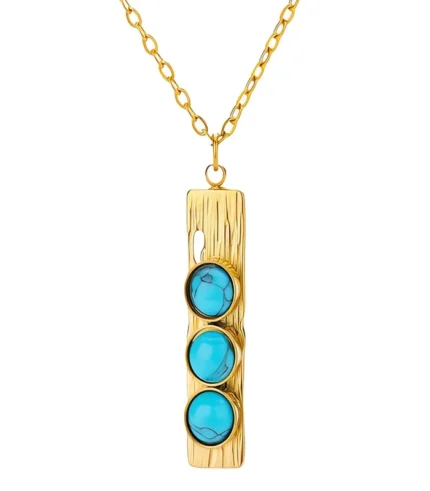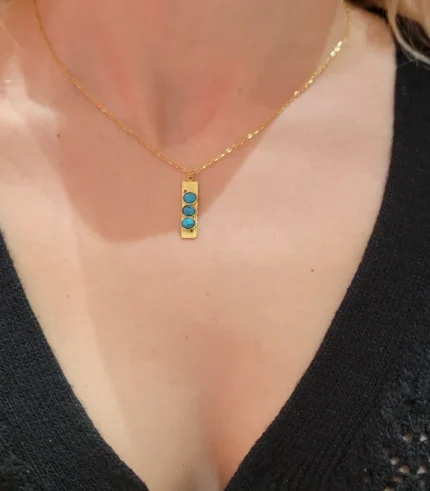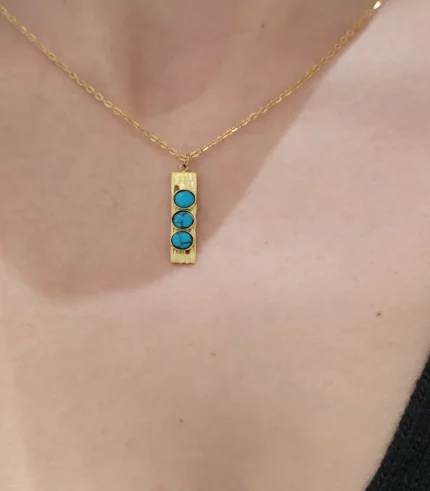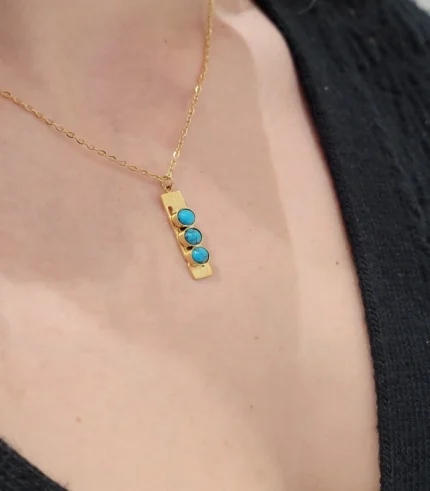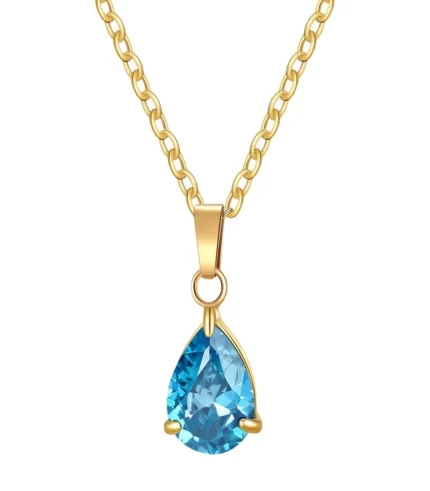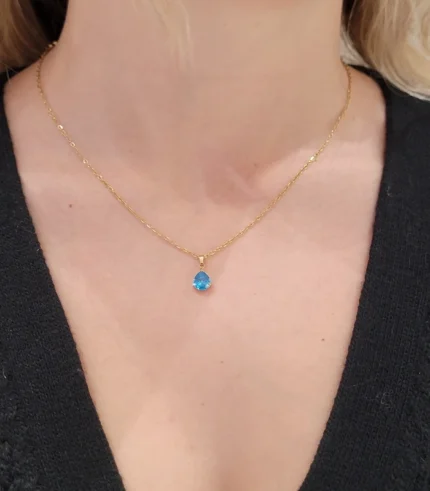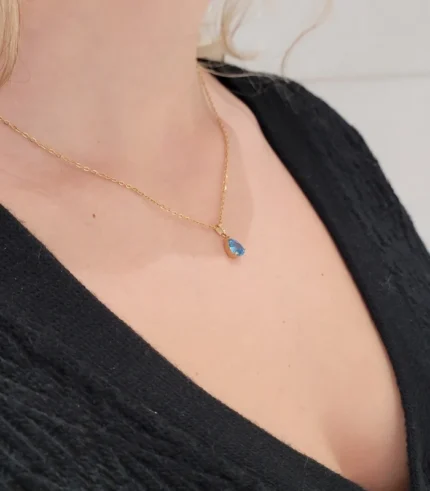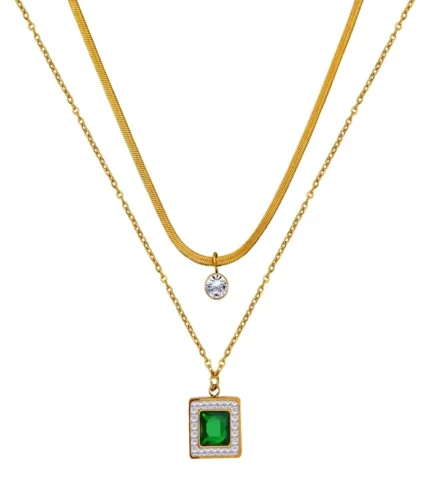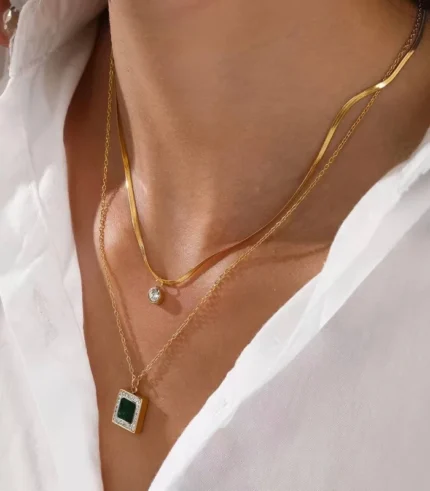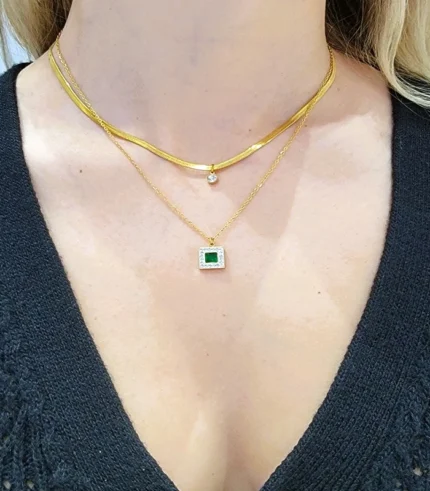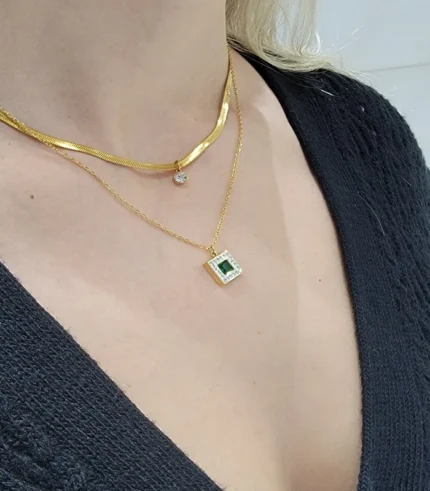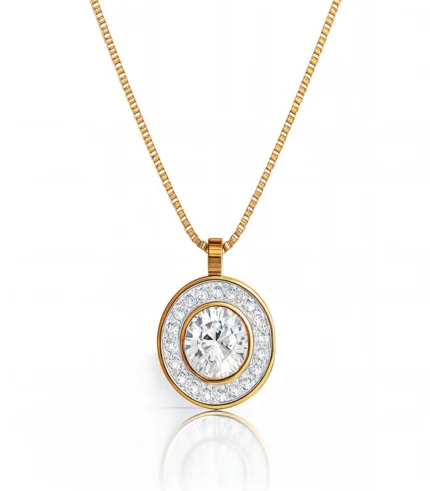
Layering Pendants of Different Lengths
Layering pendants is one of the simplest ways to make an everyday outfit look intentional. The idea is straightforward. You wear two, three, or four necklaces at once, each at a different length, so every pendant has its own space to sit. Done well, the result reads as one designed piece rather than a pile of chains.
Done carelessly, it reads as tangle. The difference comes down to a few measurable rules about length, weight, and finish. This guide covers those rules in plain terms. It also explains why 18K gold plated stainless steel has become the smart material choice for building a layered stack you can actually wear every day.
Why layering pendants works so well
A pendant is simply a loose-hanging ornament attached to a chain by a small loop. The word comes from the Latin pendere, meaning “to hang down,” according to Wikipedia’s entry on pendants. Humans have worn them since the Stone Age, when the earliest examples were shells, teeth, and shaped stones.
Wearing several at once is not a new trend either. Renaissance portraits routinely show multiple delicate strands worn together, often in groups of three. However, the modern version is lighter and far less formal. Today the goal is texture, not status display.
The visual logic is simple. Your eye follows a vertical line down from the collarbone. Layering pendants creates several stopping points along that line. Each stop adds interest. In most cases, three chains is the sweet spot for everyday wear, because it fills the neckline without crowding it.
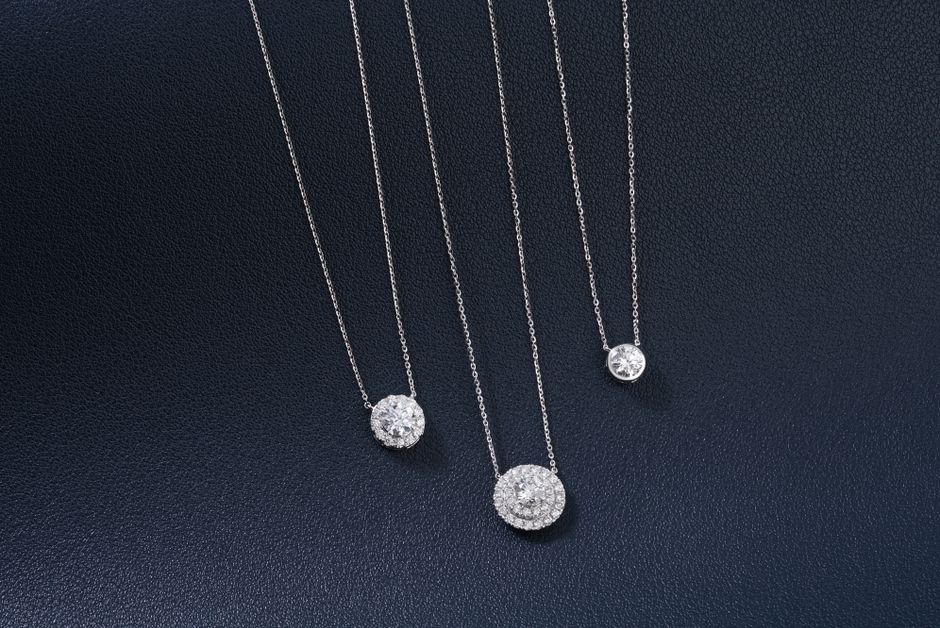
Shop tarnish-free gold-plated necklaces
View all →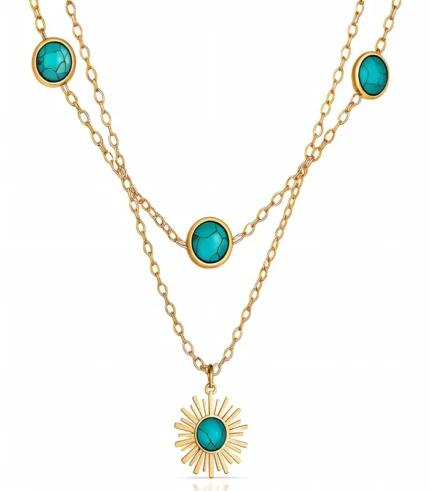
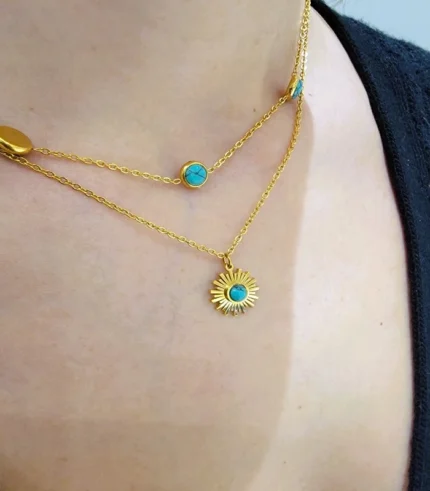
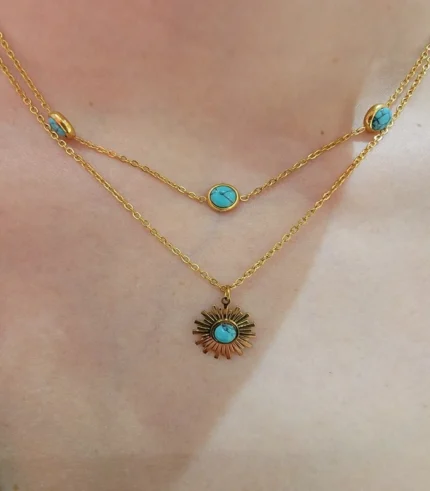

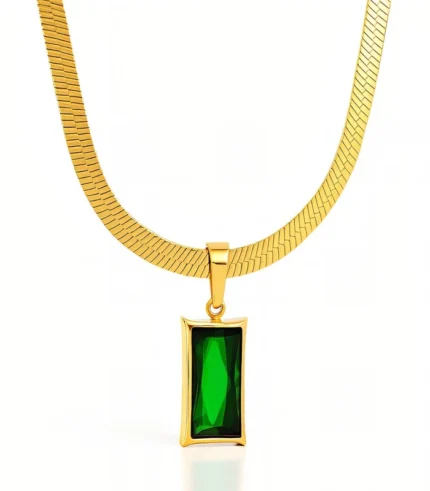
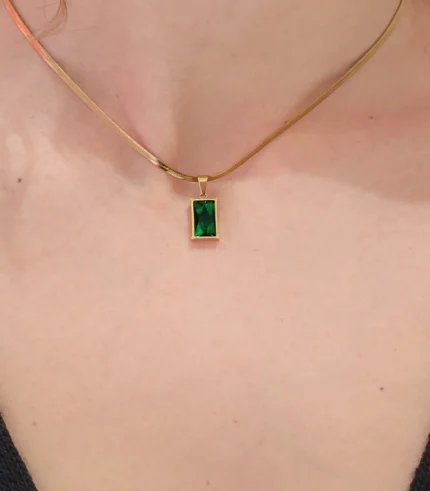
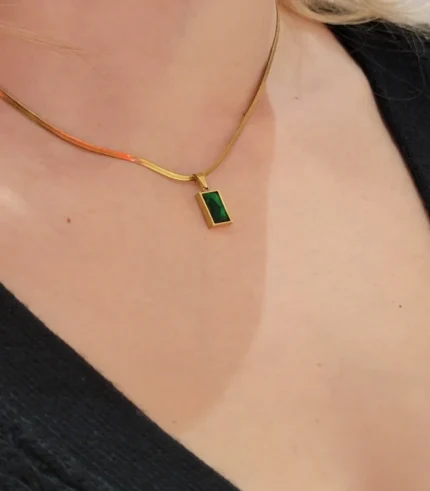

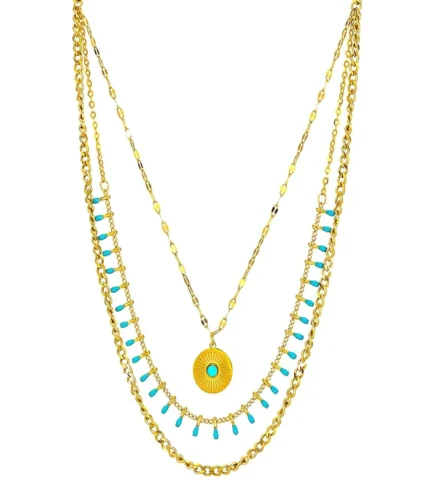
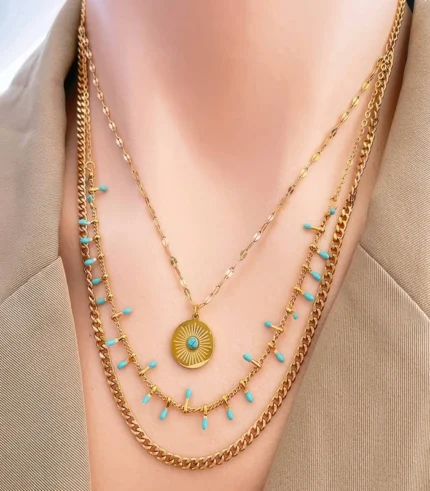
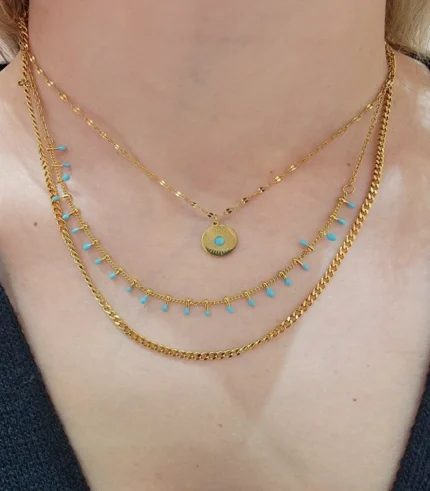
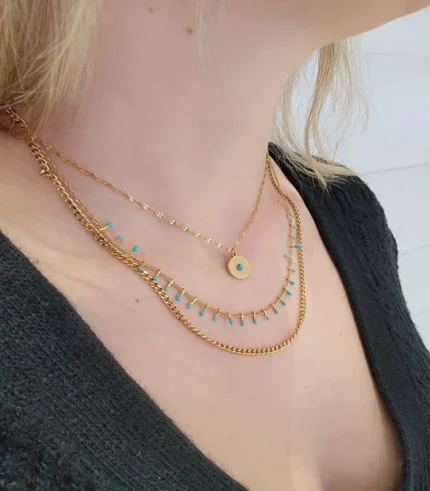
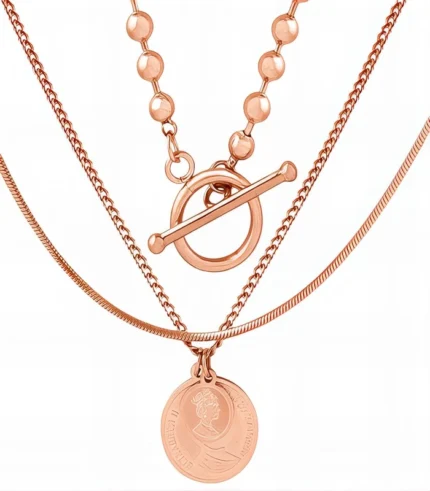
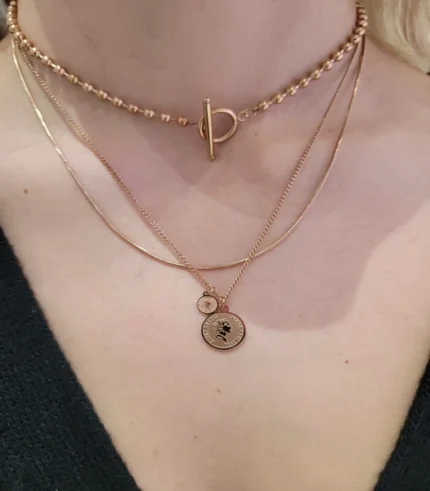
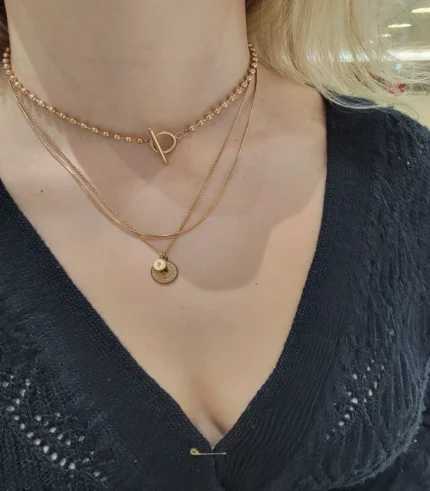
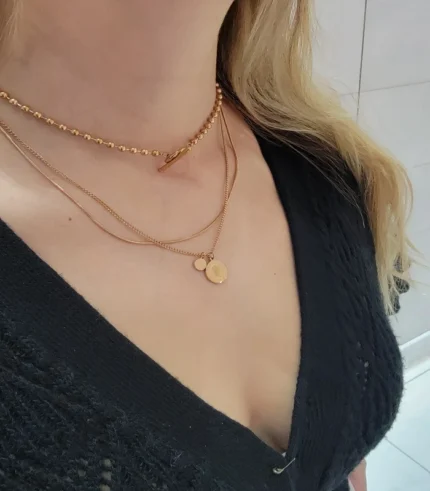
Chain lengths: the spacing math behind layering pendants
The jewelry trade uses standard length names, and knowing them makes layering pendants much easier. A choker measures roughly 14 to 16 inches and sits high on the neck. A princess length runs 16 to 18 inches and lands right at the collarbone. A matinee runs 18 to 24 inches and falls just below it. Opera lengths reach 30 to 36 inches or more. The Gemological Institute of America is a useful reference point for this terminology, which is shared across the industry.
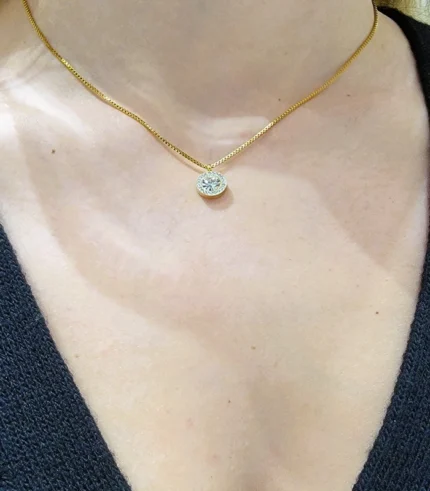
The practical rule is spacing. Leave at least two inches between each chain. Two inches is the minimum gap that keeps pendants from colliding and knotting. For example, a 16-inch, an 18-inch, and a 20-inch chain form a clean, reliable trio.
Typically, you want your shortest chain to carry the smallest pendant. Weight should increase as length increases. A heavier charm on the longest chain anchors the stack visually and stops the whole arrangement from looking top-heavy.
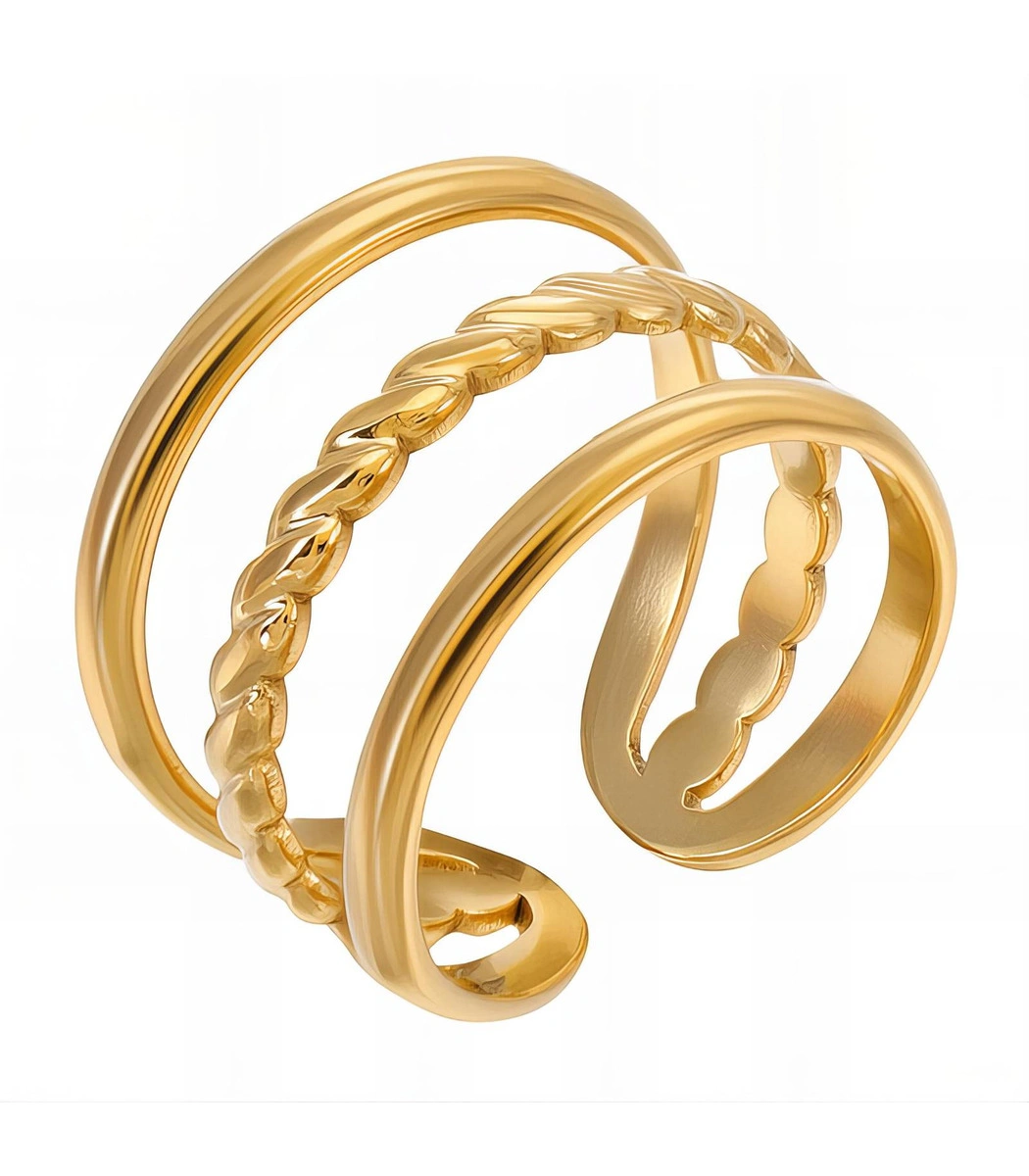
How to build your first stack
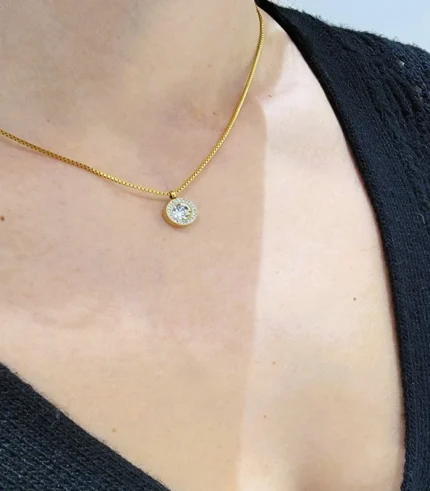
Start with a base chain. This is your shortest piece and it can be plain. A simple 16-inch cable or box chain does the job. It frames the neckline and gives the other layers something to sit against.
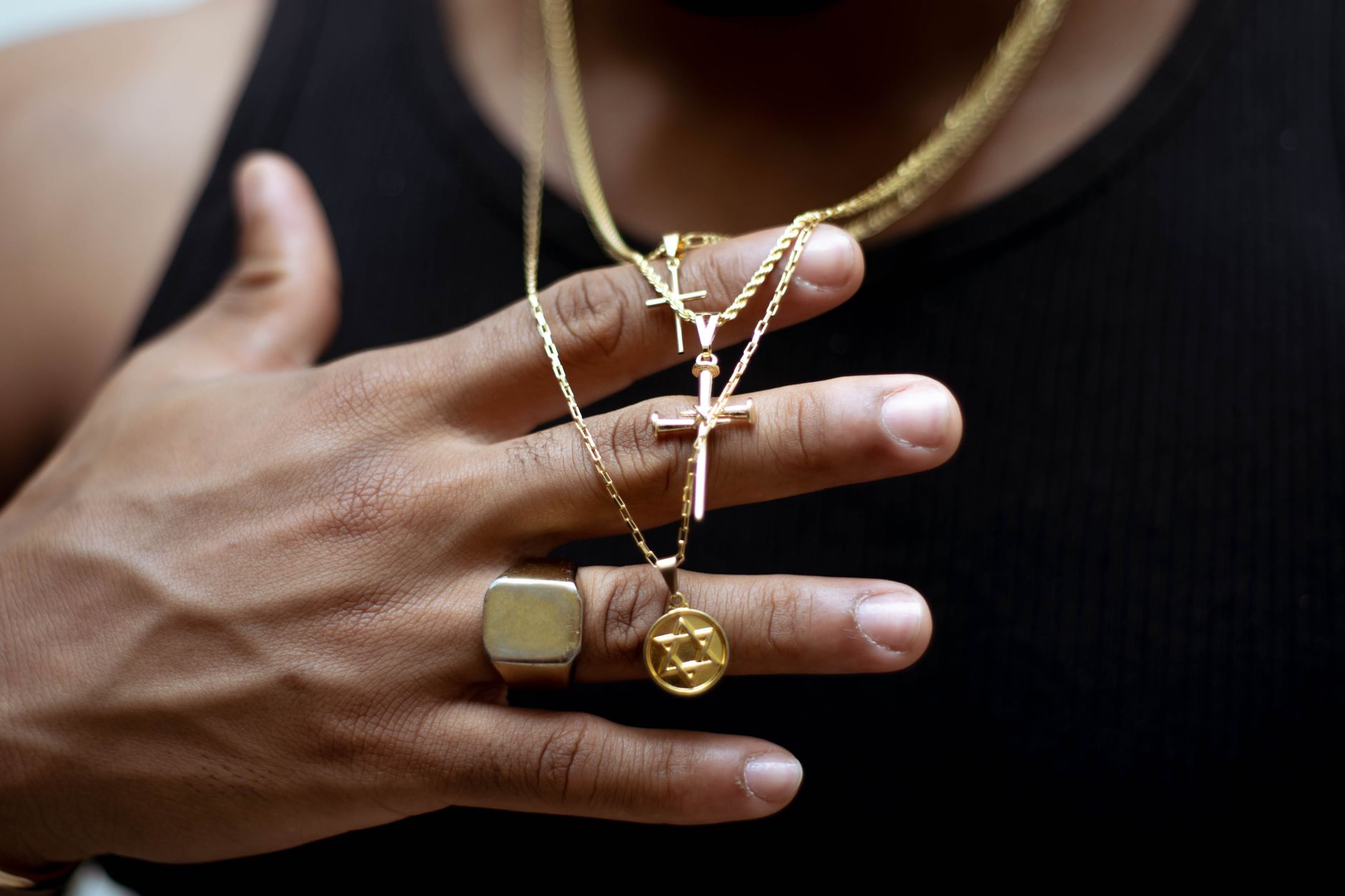
Add your statement piece next. This is the pendant people will actually notice, and it usually belongs on the middle chain. Then finish with a longer chain carrying a smaller or more textural charm. Layering pendants this way gives you a clear hierarchy: frame, focus, finish.
Mixing chain styles is encouraged. A flat snake chain next to a rounded rope chain next to a fine cable chain creates depth. However, keep the metal tone consistent when you are starting out. All-gold stacks are the most forgiving. Once you are comfortable, mixed tones can look deliberate and modern.
One practical tip: if two chains keep sliding together, a small layering clasp connects the ends at the back and holds the spacing. It takes seconds to attach and solves the problem permanently.
Materials, care, and getting more from your budget
Material matters more when you are layering pendants than when you wear a single chain. You are wearing multiple pieces against skin all day, so comfort and durability compound. 18K gold plated stainless steel is well suited here. Stainless steel is hypoallergenic and does not bend under normal wear, and modern plating technology bonds a genuine 18K gold layer to a scratch-resistant core. The look is identical to solid gold. The weight is lighter, which matters when three chains are on your neck at once.
Join the KartiKart community
10% off, on top of any current sale, your first order + early access to new collections
Free · No spam · Unsubscribe anytime
There is also a simple math advantage. A layered look needs three or four chains to work, and gold plated pieces let you own five beautiful designs for the price of a single solid gold one. That variety is the whole point of layering. Care is easy: take pieces off before showering or swimming, wipe them with a soft cloth, and store them flat or hanging so chains do not tangle. That is a ten-second habit, and it keeps a stack looking new for years.
Frequently Asked Questions
How many necklaces should I layer at once?
Two to four is the usual range, and three is the most versatile. Odd numbers tend to look more natural to the eye. Beyond four, the chains compete instead of complementing each other.
What chain lengths work best for layering pendants?
A 16-inch, 18-inch, and 20-inch combination is the classic starting set. Keep at least two inches between each length. For deeper V-necklines, shift the whole set longer, such as 18, 20, and 24 inches.
How do I stop layered chains from tangling?
Use adequate spacing first, since most tangling comes from chains that are too close in length. A magnetic layering clasp fixes stubborn cases. Store each chain separately, fastened, rather than dropping the stack into one dish.
Shop Jewelry at KartiKart
Explore our collection of handcrafted 18K Gold Plated Stainless Steel jewelry. Every piece is designed for everyday elegance at an accessible price point.
New Arrivals · Necklaces · Best Sellers
Sources & Further Reading
For verified gemstone and jewelry information:
Content last reviewed August 2026. If you notice any outdated information, please contact us.
From the KartiKart shop
Wear what you just read about
Dainty, everyday pieces, handpicked by a husband-and-wife team. Free U.S. shipping, gift-ready packaging, 30-day easy returns, and 5% of every order goes to organizations fighting human trafficking.
Shop tarnish-free gold-plated necklaces →