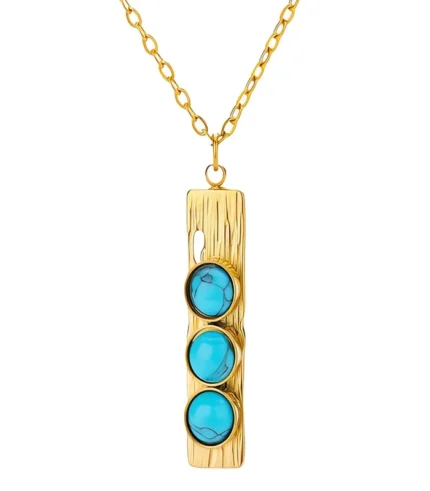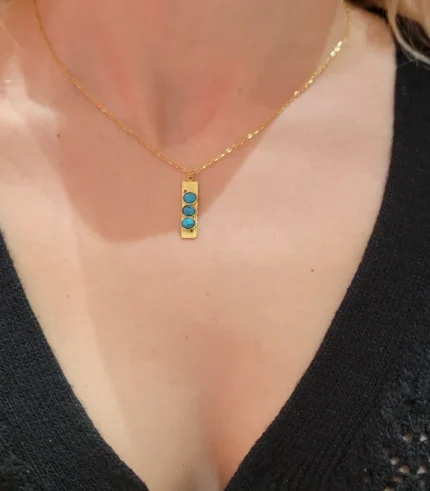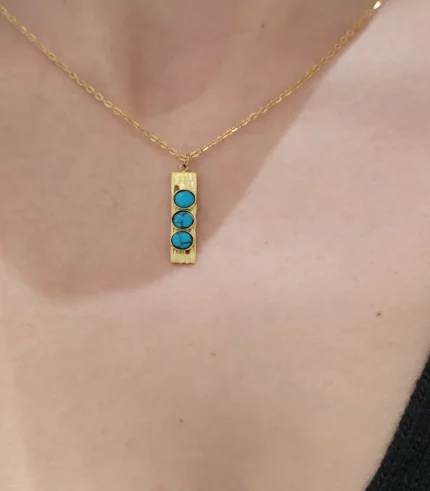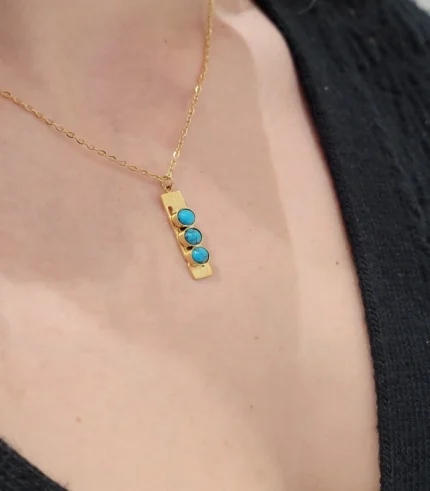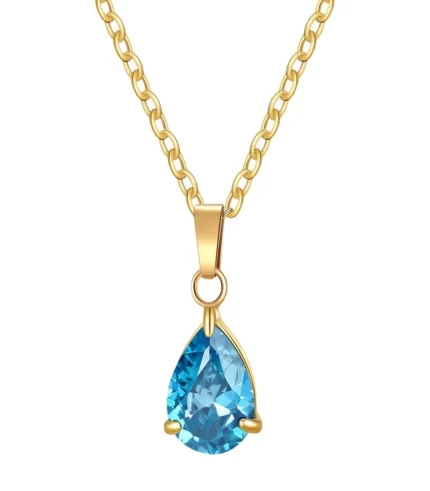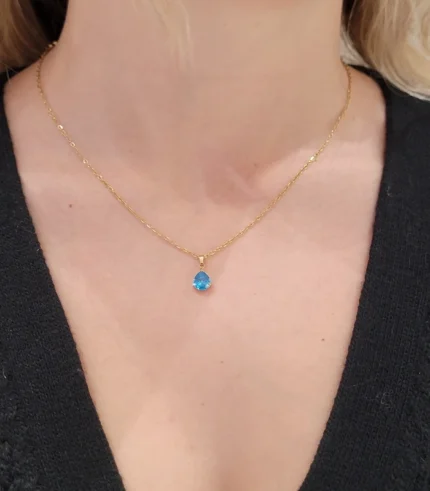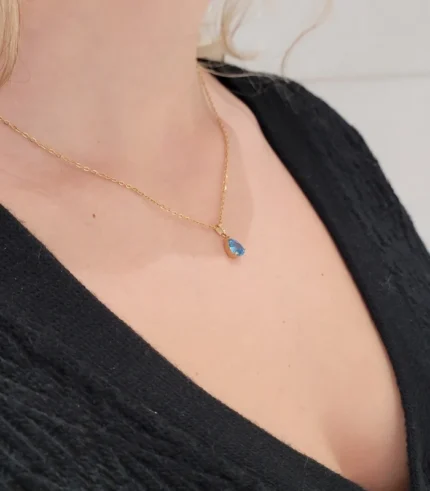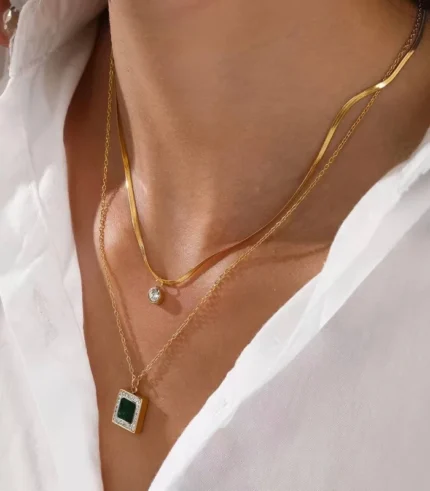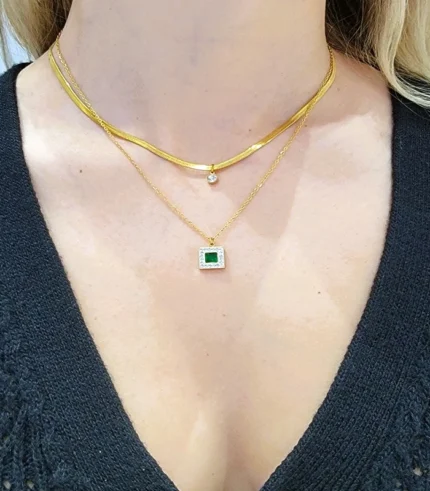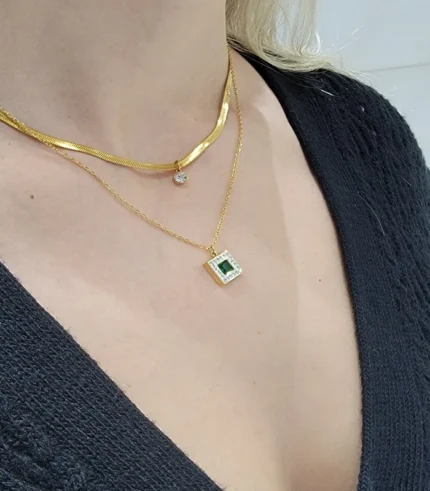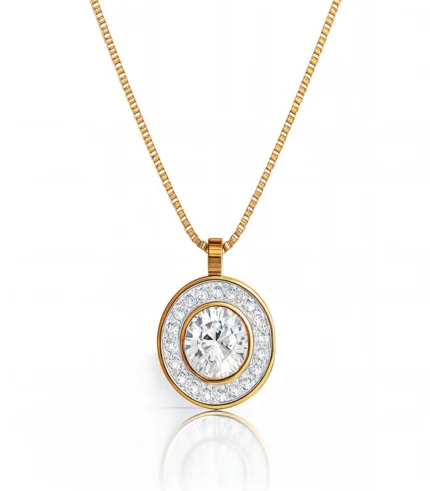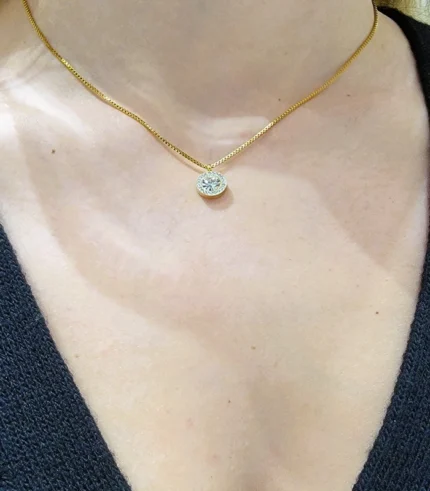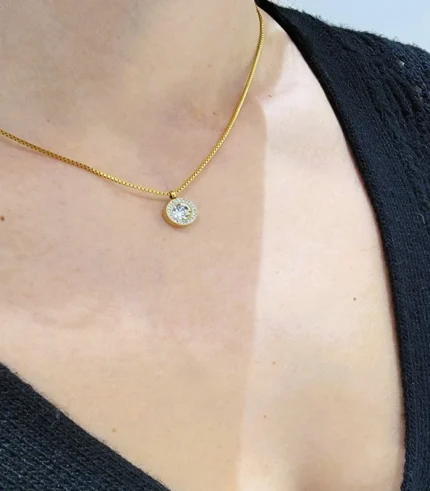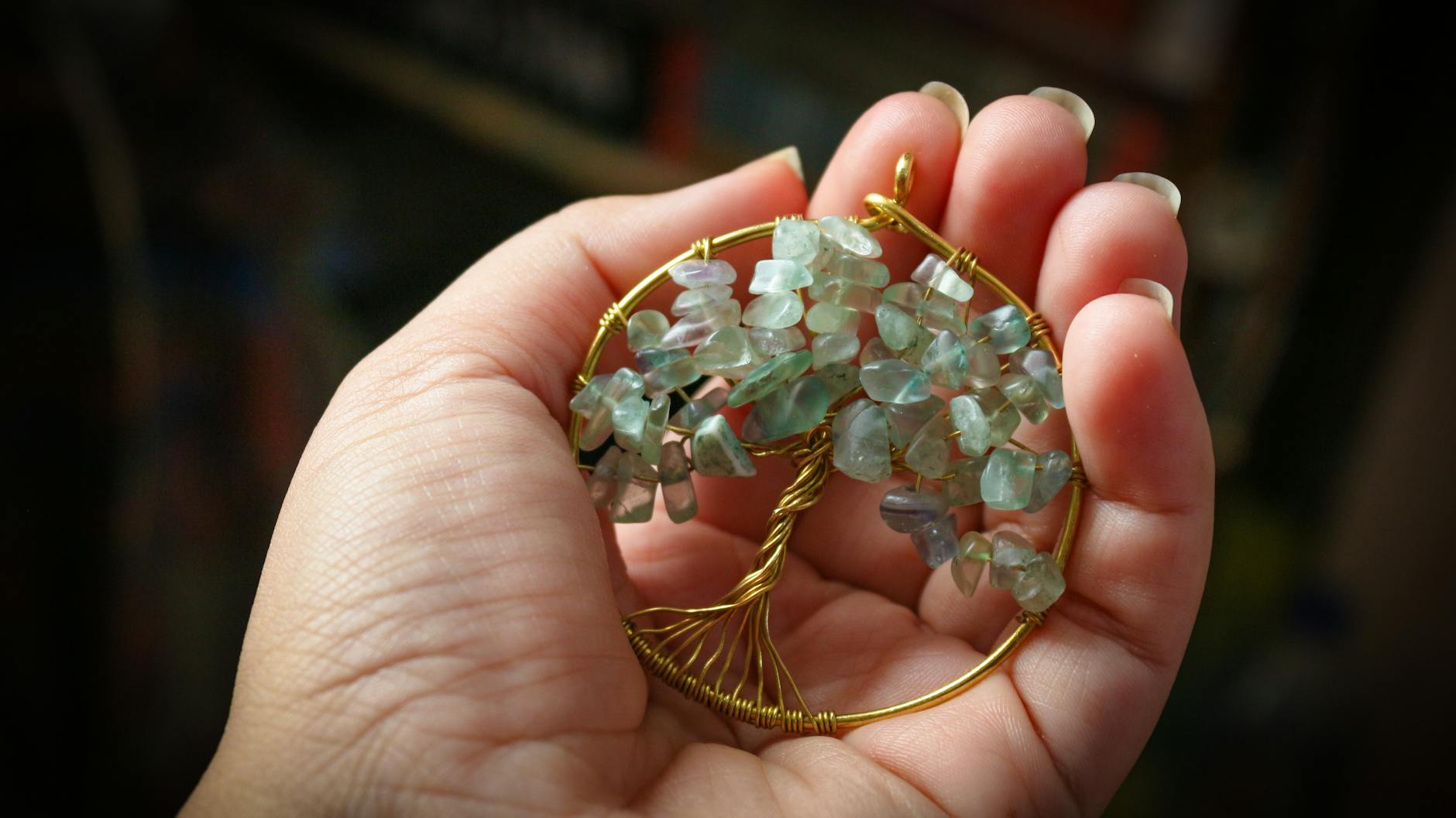
Aquamarine Pendant: Ocean Blue for Every Skin Tone
Aquamarine pendant jewelry captures the serene beauty of the ocean in a single gemstone. This blue variety of the mineral beryl gets its color from trace amounts of iron. It ranks 7.5 to 8 on the Mohs hardness scale. That makes it one of the more durable colored gemstones available.
March babies claim aquamarine as their birthstone. However, its universal appeal stretches far beyond one month. Ancient sailors carried aquamarine as a talisman against shipwreck. Today, it remains one of the most sought-after blue gemstones in fine and fashion jewelry alike. The color range spans from pale sky blue to deep ocean blue. Set in 18K gold plated stainless steel, an aquamarine pendant becomes an accessible piece of everyday luxury that flatters virtually every complexion.
Why an Aquamarine Pendant Flatters Every Skin Tone
One of aquamarine’s greatest strengths is its versatility across complexions. Cool undertones pair beautifully with the stone’s pure blue hues. The blue creates a striking contrast that highlights the skin’s natural radiance. For example, a deep blue aquamarine pendant against porcelain or olive skin looks effortlessly elegant.
Warm undertones benefit from aquamarine’s greenish-blue variations. These slightly teal stones harmonize with golden and honey complexions. They bring out warmth without competing with it. Neutral skin tones have the most flexibility. Typically, someone with a neutral undertone can wear any shade of aquamarine beautifully. This adaptability is rare among colored gemstones. It is one reason the aquamarine pendant remains a perennial favorite at GIA-certified jewelers worldwide.
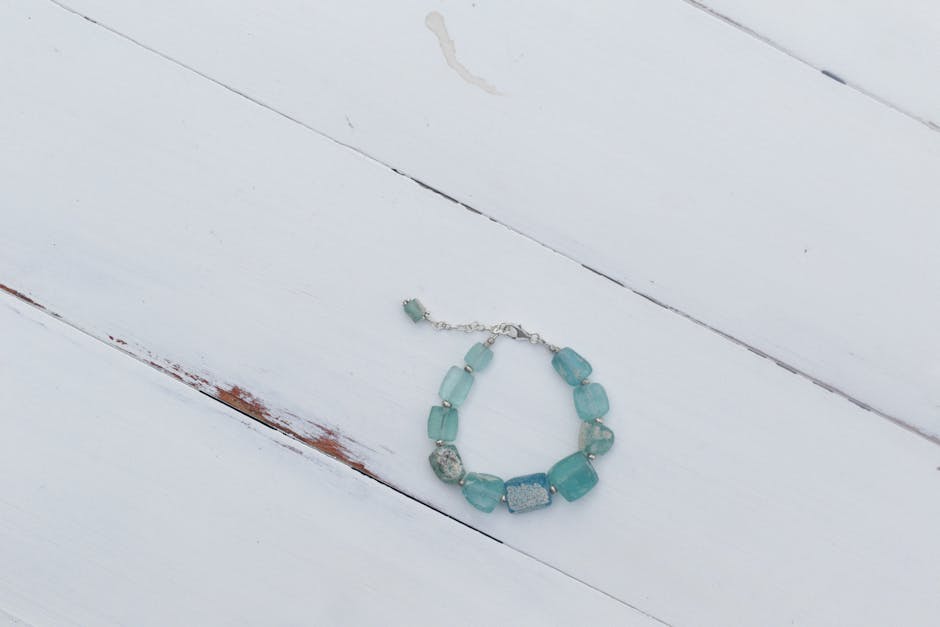
Shop tarnish-free gold-plated necklaces
View all →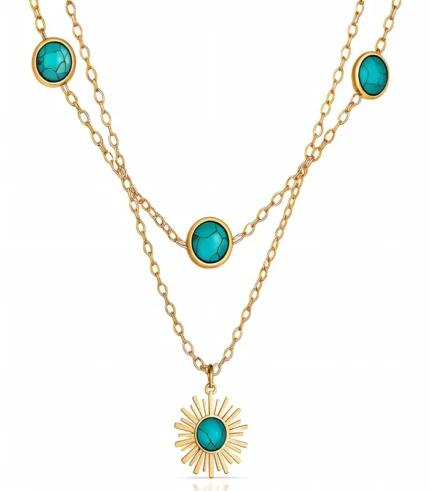
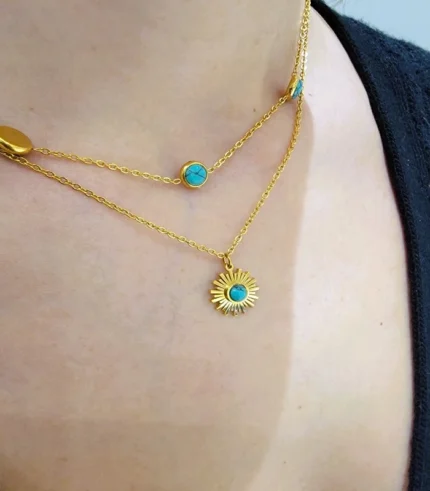
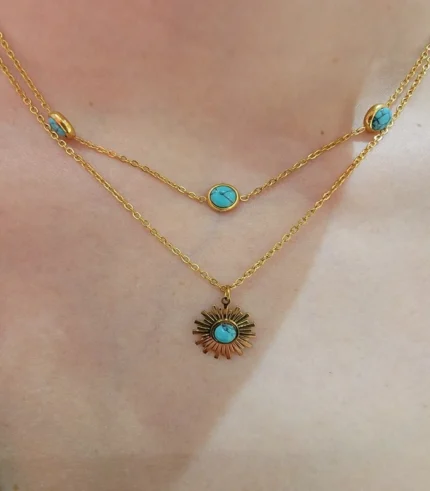

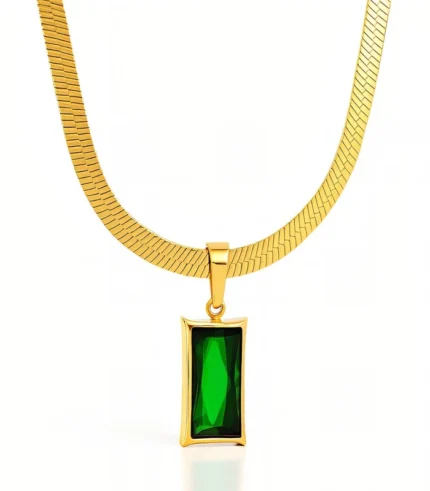
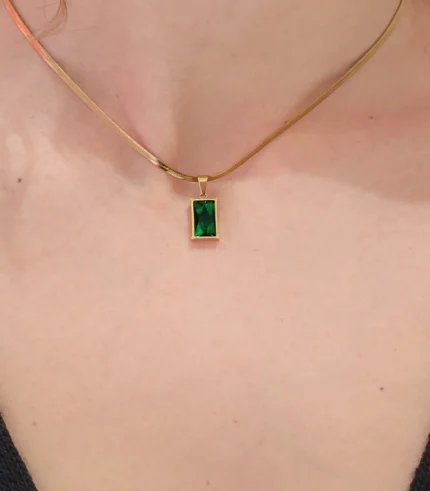
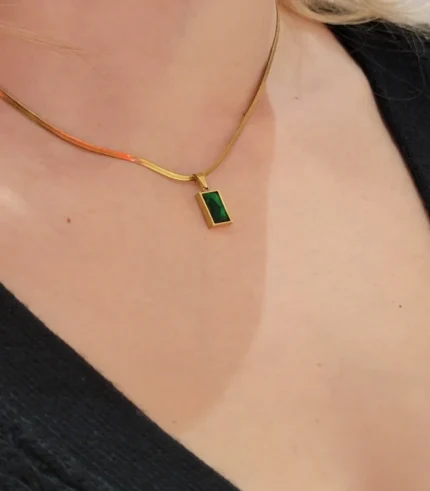

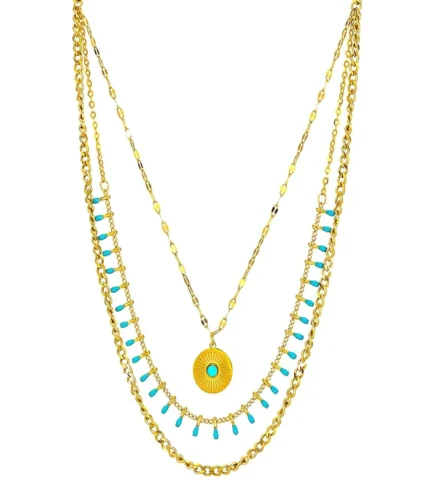
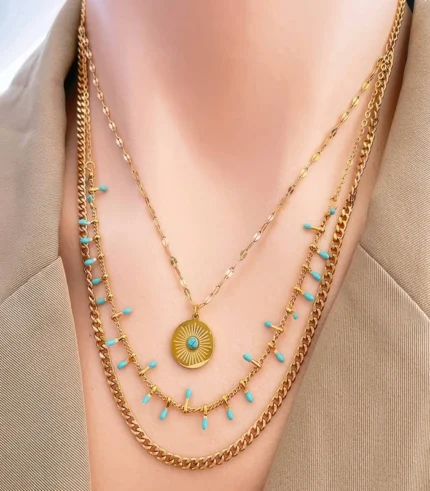
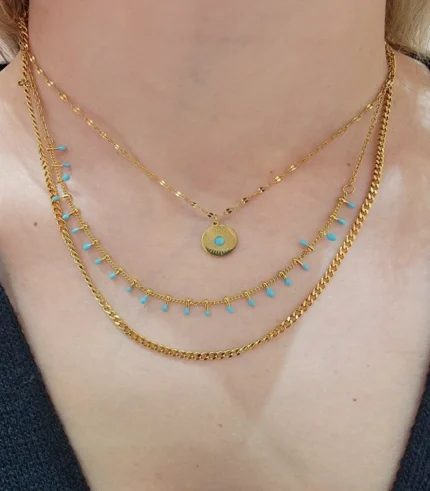
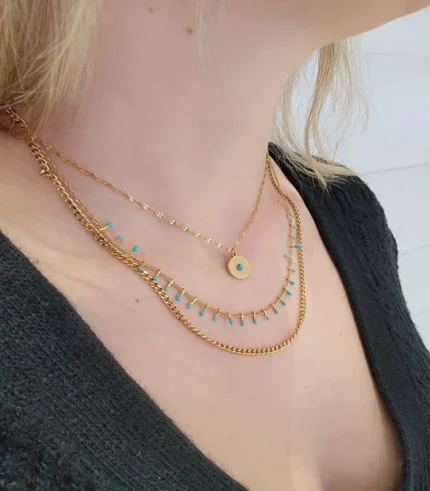
Understanding Aquamarine Color and Quality
Not all aquamarines are created equal. The most valuable stones display a deep, saturated blue with no gray masking. Gem traders call the finest examples “Santa Maria” aquamarines. These rare stones command premium prices. In most cases, the aquamarine you see in jewelry has been gently heat-treated. This standard industry practice removes greenish tints to produce a purer blue. The treatment is permanent and widely accepted.
Size matters with this gemstone. An aquamarine pendant featuring a stone under five carats will typically appear lighter in color. Stones above five carats show more depth and saturation. Brazil remains the world’s top source for high-quality aquamarine. Other notable origins include Madagascar, Nigeria, Zambia, and Mozambique. The famous Dom Pedro aquamarine at the Smithsonian weighs an astonishing 10,363 carats. It is the largest faceted aquamarine ever cut.
Most faceted aquamarines are eye-clean. This means you won’t see inclusions without magnification. That natural clarity gives every aquamarine pendant a luminous, transparent quality. It catches light beautifully in any setting.
Choosing the Right Aquamarine Pendant Setting
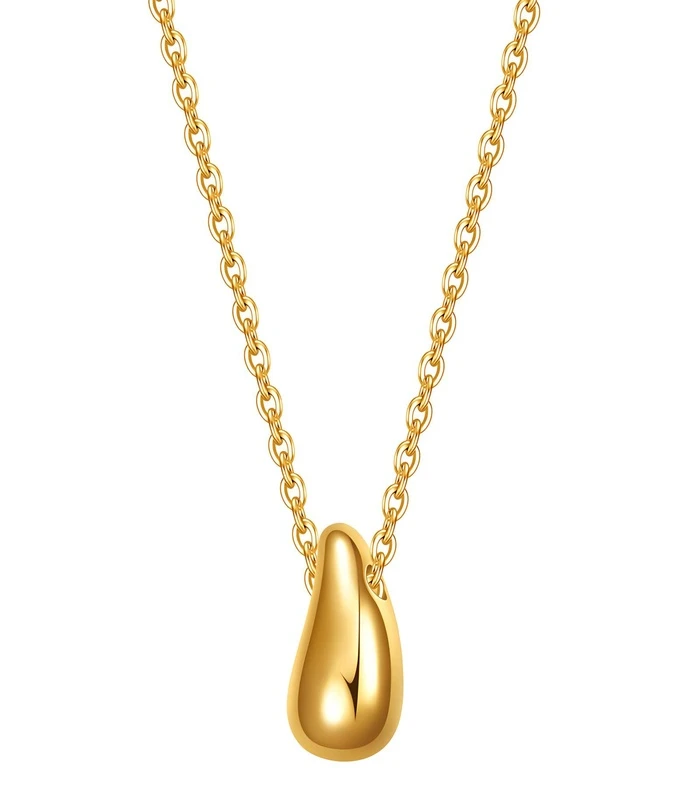
The metal setting dramatically affects how an aquamarine looks on your skin. Yellow gold brings out the stone’s warmer undertones. It creates a classic, vintage-inspired aesthetic. Rose gold adds romantic warmth. Silver-toned metals emphasize the cool blue hues. Modern 18K gold plated stainless steel gives you the best of both worlds. The warm gold tone complements the cool blue stone perfectly.
An aquamarine pendant in 18K gold plated stainless steel is the smart choice for everyday wear. The stainless steel base is scratch-resistant and hypoallergenic. The 18K gold plating looks identical to solid gold. However, it lets you own multiple pieces for the price of one solid gold pendant. Modern plating technology makes these pieces far more durable than older methods. You get variety, versatility, and genuine luxury without the four-figure price tag.
Pendant styles range from minimalist solitaire settings to ornate halo designs. A simple bezel-set aquamarine pendant works for both office and evening wear. Prong settings let more light enter the stone. This maximizes that signature ocean-blue sparkle.
Caring for Your Aquamarine Pendant
Aquamarine is durable, but a few easy habits keep it looking its best. Remove your aquamarine pendant before swimming or showering. Store it separately from harder gemstones like diamonds or sapphires. Clean it with mild soap and lukewarm water. A soft cloth removes any residue in seconds. These simple steps take about ten seconds and protect your piece for years.
For the gold plated setting, the same quick routine applies. Slip your pendant off before applying lotions or perfume. Give it a gentle wipe after wearing. Store it in a soft pouch or lined jewelry box. That is all it takes. Your aquamarine pendant will maintain its brilliance through countless wears. The combination of a hard gemstone and resilient stainless steel means this is jewelry built for real life.
Join the KartiKart community
10% off, on top of any current sale, your first order + early access to new collections
Free · No spam · Unsubscribe anytime
Frequently Asked Questions
Is aquamarine durable enough for an everyday pendant?
Yes. Aquamarine scores 7.5 to 8 on the Mohs hardness scale. That makes it highly suitable for daily wear in a pendant setting. It resists scratches well and maintains its polish over time.
What skin tone looks best with an aquamarine pendant?
Every skin tone works with aquamarine. Cool undertones pair with pure blue stones. Warm undertones complement greenish-blue varieties. Neutral undertones look great with any aquamarine shade.
Does aquamarine fade in sunlight?
Aquamarine is generally stable under normal light exposure. However, prolonged intense heat can affect some stones. For everyday wear, including time outdoors, your aquamarine pendant will keep its color beautifully. Store it away from extreme heat sources as a simple precaution.
Shop Jewelry at KartiKart
Explore our collection of handcrafted 18K Gold Plated Stainless Steel jewelry. Every piece is designed for everyday elegance at an accessible price point.
Earrings · Best Sellers · New Arrivals
Sources & Further Reading
For verified gemstone and jewelry information:
Content last reviewed April 2026. If you notice any outdated information, please contact us.
From the KartiKart shop
Wear what you just read about
Dainty, everyday pieces, handpicked by a husband-and-wife team. Free U.S. shipping, gift-ready packaging, 30-day easy returns, and 5% of every order goes to organizations fighting human trafficking.
Shop tarnish-free gold-plated necklaces →