Why Waterproof Gold Plated Jewelry Is Worth the Upgrade
Waterproof gold plated jewelry has changed how people think about accessorizing. For years, the biggest concern with gold plated pieces was water damage. Shower with it, swim with it, sweat in it — and the gold would fade. That was the old reality.
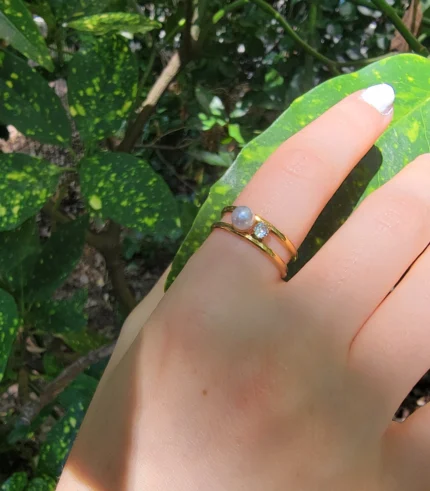
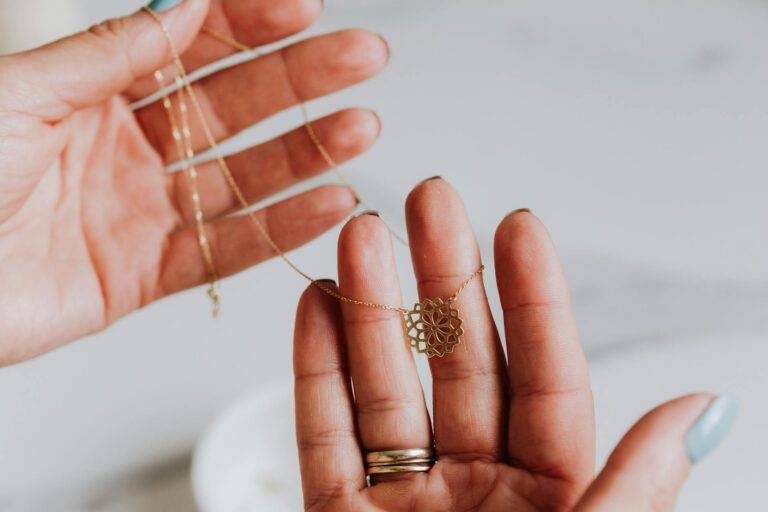
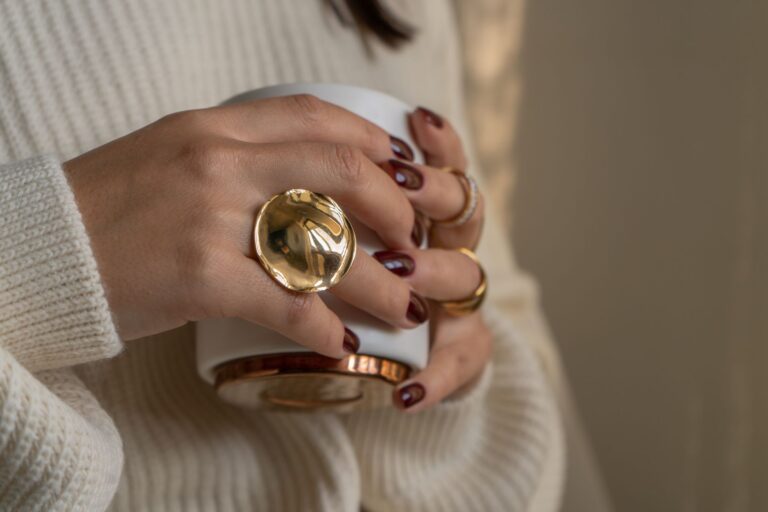
Modern plating technology has rewritten those rules entirely. Today’s 18K gold plated stainless steel jewelry uses advanced bonding methods that lock the gold layer to the metal at a molecular level. The result is a piece that handles daily exposure to moisture without losing its warmth or shine. This is not the flimsy gold coating your grandmother warned you about. It is engineered jewelry built for real life — and it is worth every penny of the upgrade.
What Makes Waterproof Gold Plated Jewelry Different
Traditional gold plating used a process called electroplating. A thin layer of gold was deposited onto a base metal using an electrical current. The bond was surface-level. Over time, water and sweat would seep beneath that layer and cause it to peel or tarnish. Modern waterproof gold plated pieces use a process called PVD — Physical Vapor Deposition. In a vacuum chamber, gold is vaporized and deposited atom by atom onto stainless steel. The coating bonds at the molecular level, not just the surface.
The difference in durability is significant. PVD coatings reach a hardness of 800 to 2,000 on the Vickers hardness scale. Traditional electroplating typically scores between 100 and 200. That means waterproof gold plated jewelry resists scratches far better than older plated pieces. It also means the gold layer stays intact through showers, workouts, and humid weather.

Shop tarnish-free gold-plated jewelry
View all →
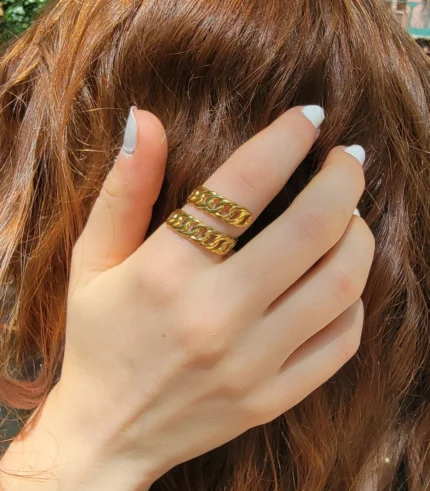
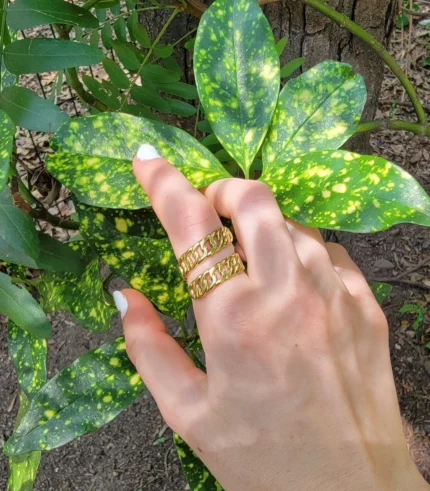
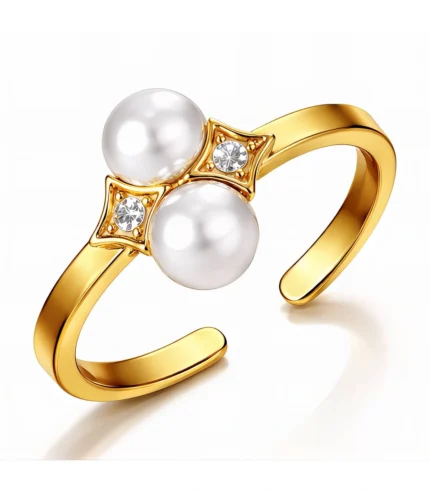
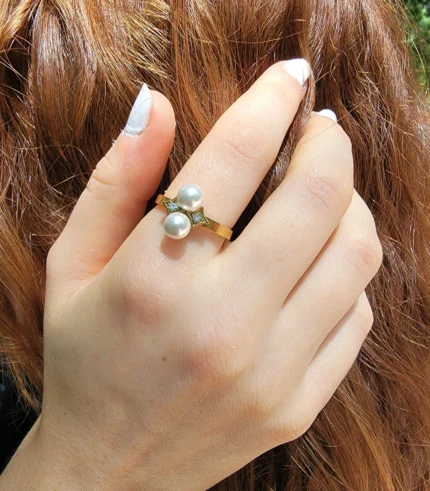
Why Stainless Steel Is the Ideal Base for Waterproof Gold Plated Pieces
The base metal matters just as much as the coating. Most waterproof gold plated jewelry uses 316L stainless steel. This is the same grade used in surgical implants and marine hardware. It contains chromium, nickel, and molybdenum — a combination that resists corrosion from chlorides found in sweat, saltwater, and pool water. A passive chromium-oxide layer forms on the surface and prevents tarnishing. According to GIA research on gold plating methods, the interaction between coating and base metal determines long-term wear performance.
Stainless steel is also hypoallergenic for most people. The chromium-oxide barrier locks nickel ions in place, preventing them from reaching the skin. For anyone who has reacted to costume jewelry in the past, this is a meaningful upgrade. You get the warm look of 18K gold with a base that does not irritate sensitive skin. In most cases, waterproof gold plated stainless steel jewelry can be worn continuously without any reaction.

How Waterproof Gold Plated Jewelry Compares to Solid Gold
Solid gold is beautiful. However, it comes with trade-offs that many buyers overlook. A single 18K solid gold bracelet can cost $800 to $3,000 depending on weight and design. For that same investment, you could own five or six waterproof gold plated pieces — bracelets, necklaces, and earrings that look identical to the naked eye. Variety and versatility beat a single expensive piece for most wardrobes.
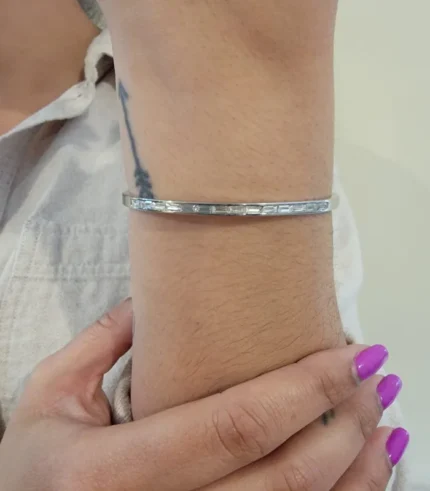
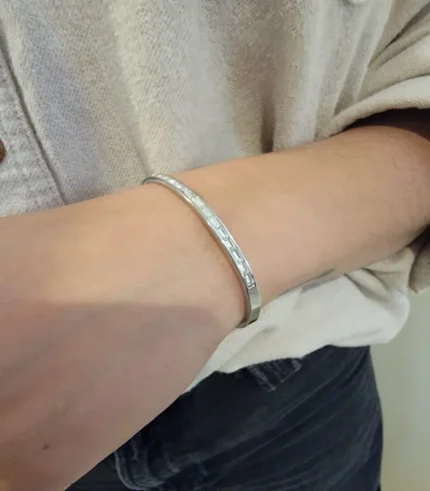
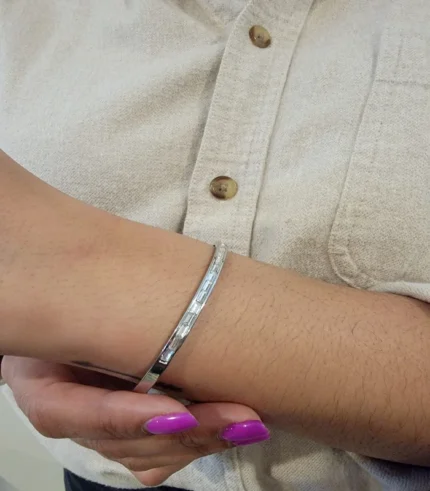
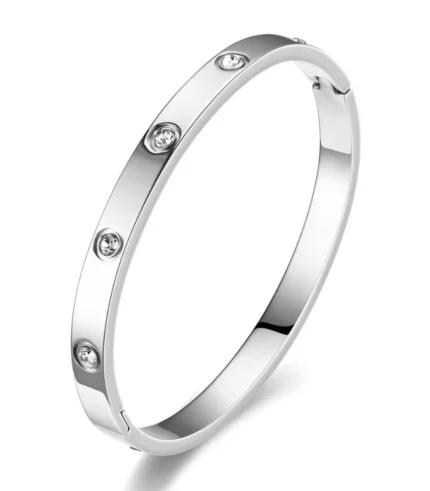
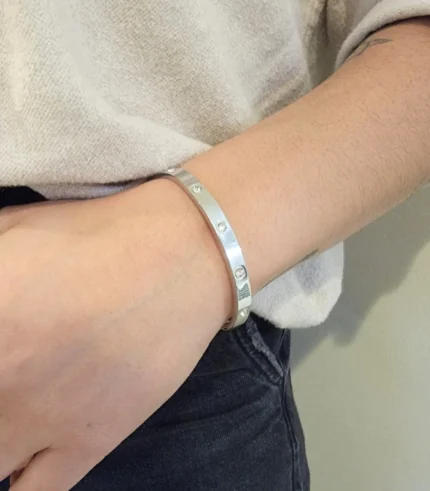
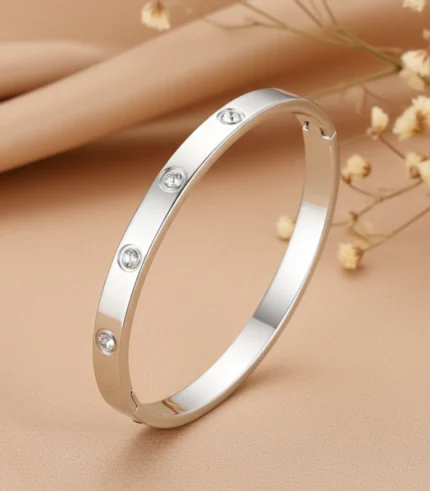
Solid gold is also softer than most people realize. Pure 24K gold scores just 2.5 on the Mohs hardness scale. Even 18K gold alloys can scratch and dent with daily wear. Waterproof gold plated stainless steel, by contrast, is significantly harder. The PVD coating resists scratching, and the steel core provides structural strength. For example, a gold plated stainless steel cuff bracelet will hold its shape through years of wear. A solid gold cuff of the same thickness would bend and warp.
Modern 18K gold plating is the smart choice for anyone who wants real gold warmth without the fragility or price tag. It is a different approach for different priorities — not a quality compromise.
Simple Habits That Keep Waterproof Gold Plated Jewelry Looking New
Waterproof gold plated jewelry is built to handle moisture. That said, a few easy habits will keep it looking pristine for years. Rinse pieces with fresh water after ocean or pool exposure. Chlorine and salt are harsher than tap water, so a quick rinse removes residue before it sits. Store pieces in a soft pouch or lined box when you are not wearing them. This prevents surface contact with other metals or abrasive materials.
Typically, wiping your jewelry with a soft cloth once a week is all the maintenance it needs. These are ten-second habits, not chores. Avoid spraying perfume or sunscreen directly onto your pieces — apply those products first, then put your jewelry on. With these small steps, waterproof gold plated stainless steel jewelry maintains its original luster through hundreds of wears.
Join the KartiKart community
10% off, on top of any current sale, your first order + early access to new collections
Free · No spam · Unsubscribe anytime
Frequently Asked Questions
Can I shower with waterproof gold plated jewelry every day?
Yes. Modern PVD-coated waterproof gold plated stainless steel is designed to handle daily showers. Tap water will not damage the coating. However, rinsing off soap residue and patting dry afterward keeps the shine at its brightest.
How long does waterproof gold plated jewelry last?
With PVD coating on stainless steel, waterproof gold plated pieces typically last two to five years of daily wear before any visible change. Proper care extends that lifespan even further. Many wearers report pieces looking great well beyond five years.
Is waterproof gold plated jewelry hypoallergenic?
In most cases, yes. The 316L stainless steel base contains a chromium-oxide barrier that prevents nickel from reaching the skin. The 18K gold PVD layer adds a second protective surface. This makes waterproof gold plated jewelry a strong choice for anyone with metal sensitivities.
Shop Jewelry at KartiKart
Explore our collection of handcrafted 18K Gold Plated Stainless Steel jewelry. Every piece is designed for everyday elegance at an accessible price point.
Earrings · Necklaces · Bracelets
Sources & Further Reading
For verified gemstone and jewelry information:
Content last reviewed June 2026. If you notice any outdated information, please contact us.
From the KartiKart shop
Wear what you just read about
Dainty, everyday pieces, handpicked by a husband-and-wife team. Free U.S. shipping, gift-ready packaging, 30-day easy returns, and 5% of every order goes to organizations fighting human trafficking.
Shop tarnish-free gold-plated jewelry →