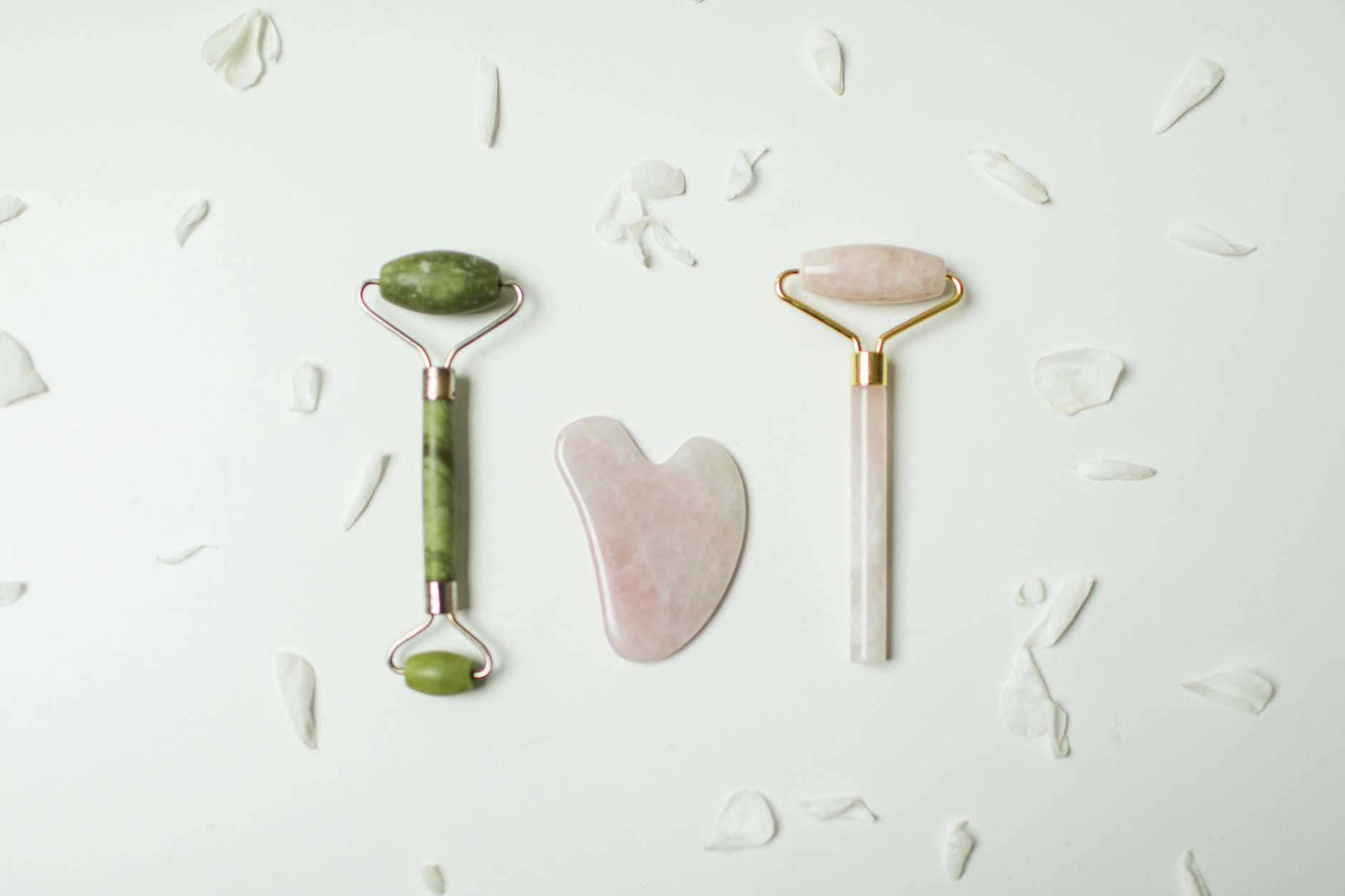
Moonstone vs Jade: Two of Nature Most Mystical Stones
Moonstone vs jade — two gemstones that have captivated jewelry lovers for thousands of years. Both stones carry deep cultural significance and stunning visual appeal. However, they could not be more different in their origins, appearance, and properties. Moonstone belongs to the feldspar mineral family. It displays a dreamy, floating glow called adularescence.
Jade, on the other hand, actually refers to two separate minerals: jadeite and nephrite. Each has its own chemistry, hardness, and color range. Whether you are drawn to moonstone’s ethereal shimmer or jade’s rich, earthy tones, understanding the differences helps you choose the right stone for your collection. Both pair beautifully with 18K gold plated stainless steel settings, creating pieces that feel luxurious without the solid gold price tag.
Moonstone vs Jade: Origins and Mineral Properties
Moonstone is a potassium aluminum silicate with a Mohs hardness of 6 to 6.5. Its signature glow comes from light scattering between microscopic layers of orthoclase and albite feldspar. Thinner layers produce a coveted blue sheen. Thicker layers create a white or silver glow. The finest moonstone comes from Sri Lanka, where miners have extracted gem-quality material for centuries. India, Myanmar, and Madagascar are also important sources. Moonstone is one of three June birthstones recognized by the GIA, alongside pearl and alexandrite.
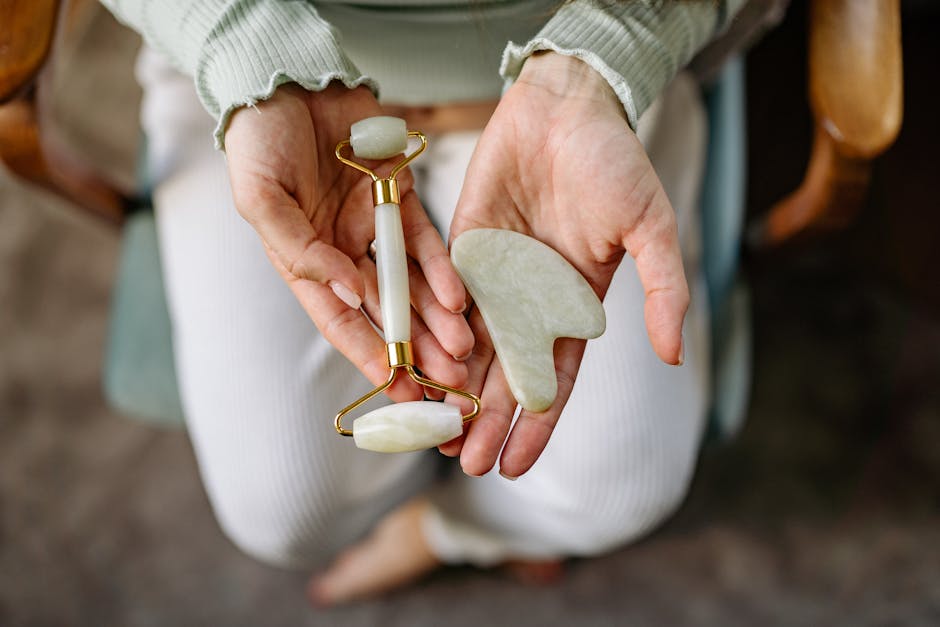
Jade tells a more complex story. It encompasses two distinct minerals — jadeite and nephrite. Jadeite ranks 6.5 to 7 on the Mohs scale and belongs to the pyroxene mineral family. Nephrite is slightly softer at 6 to 6.5 but is arguably the toughest natural gemstone on Earth. Its interlocking fibrous structure resists chipping and breaking remarkably well. Myanmar produces the world’s finest jadeite. Nephrite has been mined in China’s Xinjiang province for over 7,000 years. When comparing moonstone vs jade for durability, jade wins for everyday wear.
Shop white & blue jade jewelry
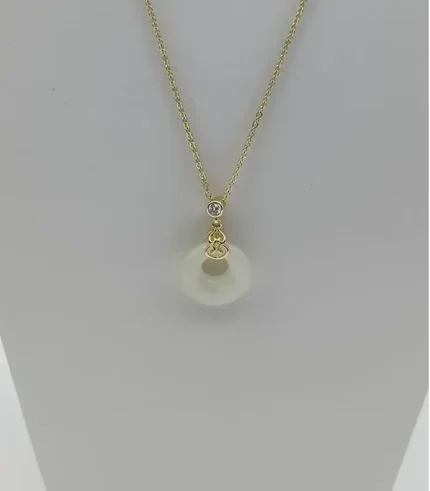
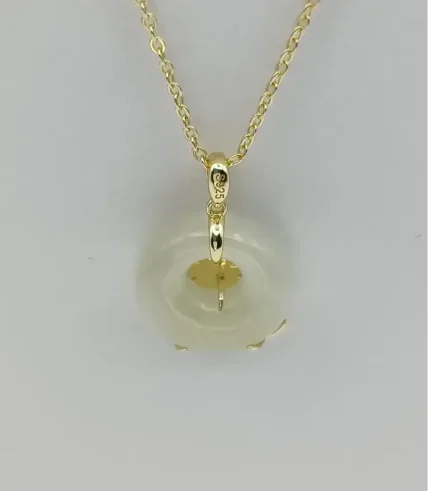
View all →Genuine White Jade Bi Disc Necklace in 14K Gold Plated Silver
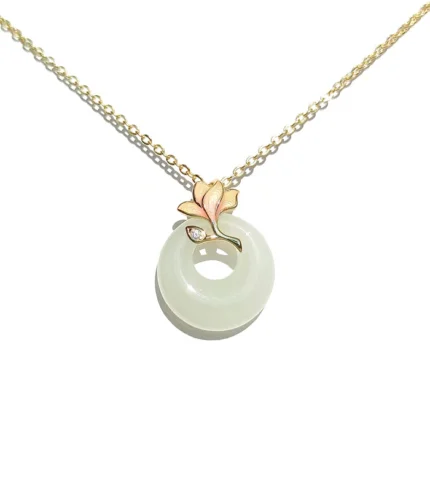
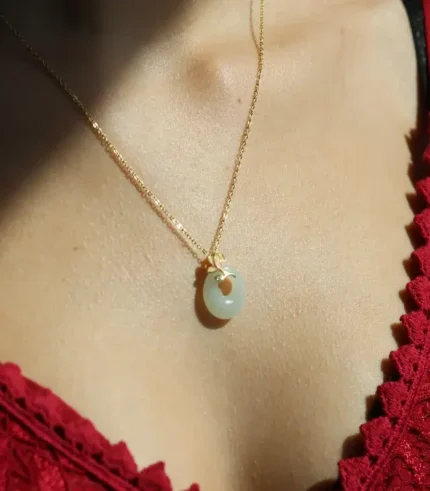
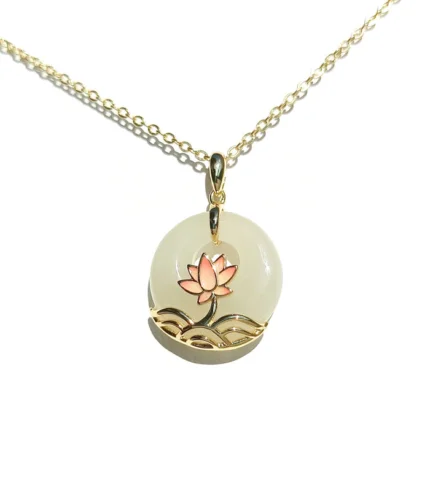
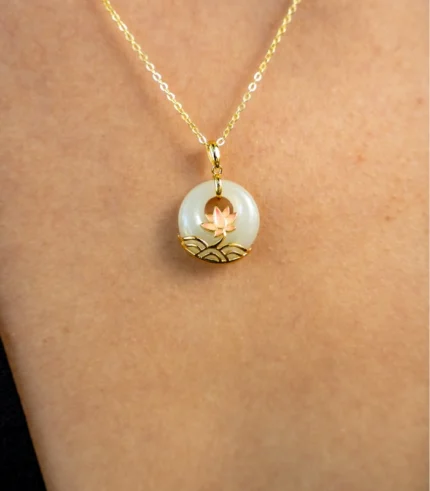
Original price was: $85.00.$76.50Current price is: $76.50.Genuine White Jade Lotus Necklace
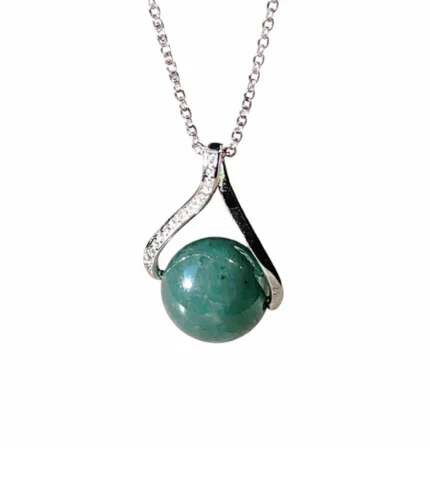
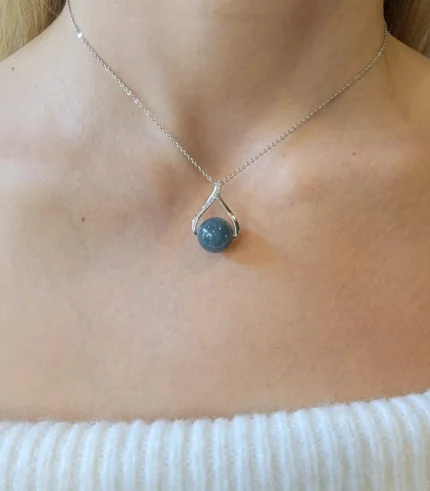
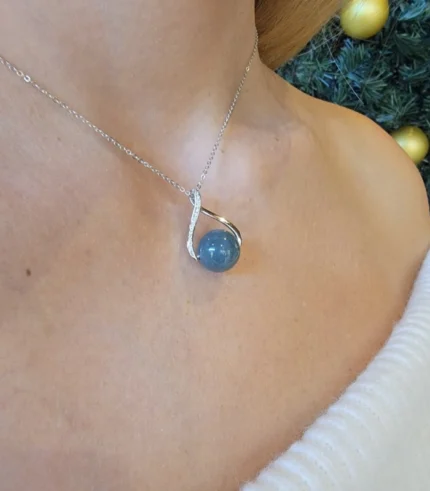
Original price was: $85.00.$76.50Current price is: $76.50.Genuine Blue Jade Round Necklace in Sterling Silver
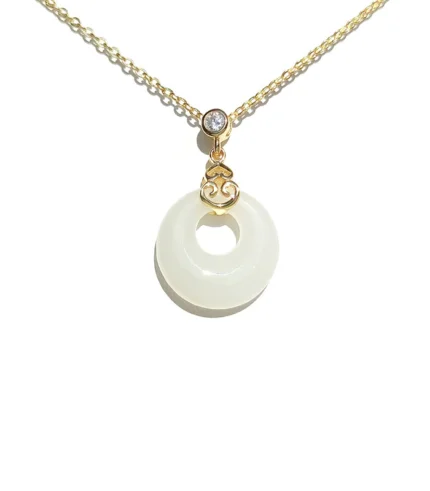
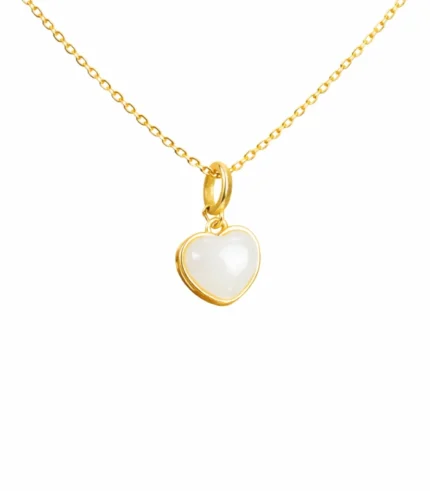
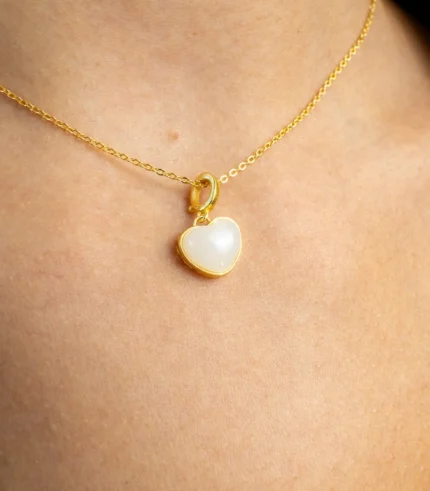
Original price was: $85.00.$76.50Current price is: $76.50.Genuine White Jade Heart Pendant Necklace in 14K Gold Plated Sterling Silver
Original price was: $85.00.$76.50Current price is: $76.50.

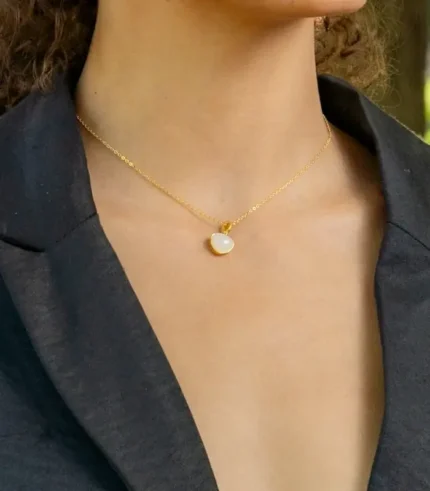
Cultural Significance: Why Moonstone vs Jade Sparks Such Passion
Ancient Romans believed moonstone formed from solidified moonlight. In Hindu tradition, it is considered sacred and connected to the moon deity. The Art Nouveau movement of the 1890s to 1910s embraced moonstone enthusiastically. Legendary jewelers like René Lalique and Louis Comfort Tiffany featured it prominently. Florida even named moonstone its official state gem in 1970 to honor the Apollo 11 moon landing.
Jade holds an even deeper historical role. In Chinese culture, jade represents virtue, wisdom, and moral integrity. Confucius himself attributed eleven virtues to jade, including benevolence and righteousness. The Chinese proverb “gold has a price, jade is priceless” speaks volumes. During the Han Dynasty, emperors were buried in jade suits sewn together with gold wire. In Mesoamerica, the Maya and Aztec civilizations valued jadeite above gold itself. For example, the famous jade death mask of Pakal the Great dates to approximately 683 CE. In most cases, few gemstones rival jade’s cross-cultural importance.
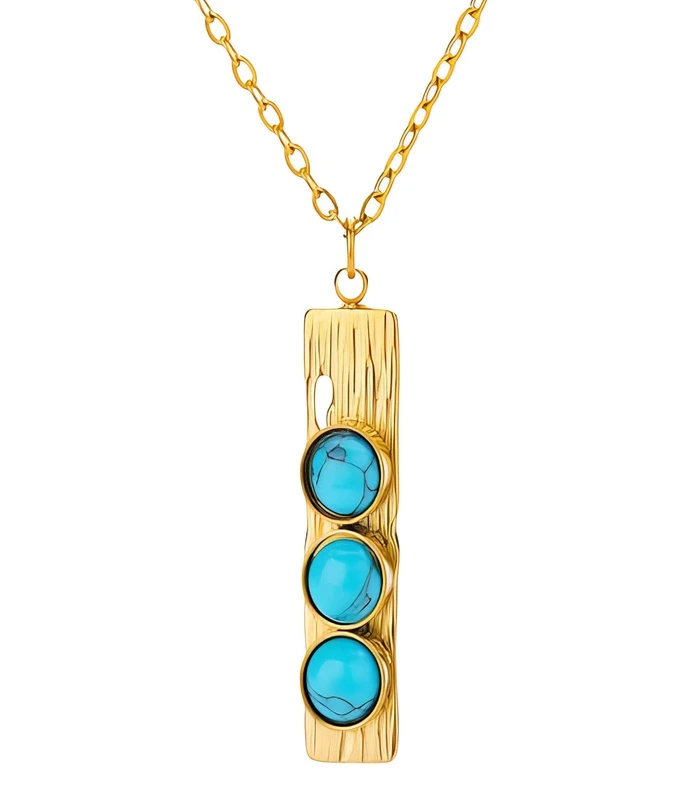
Moonstone vs Jade in Jewelry: Choosing the Right Stone
The moonstone vs jade decision often comes down to style and lifestyle. Moonstone works best in earrings, pendants, and occasional-wear rings. Its perfect cleavage planes make it vulnerable to hard impacts. Protective bezel settings are recommended over prong settings for rings. Typically, moonstone suits romantic, ethereal jewelry designs. It pairs exceptionally well with 18K gold plated stainless steel, where the warm gold tone enhances the stone’s soft glow.
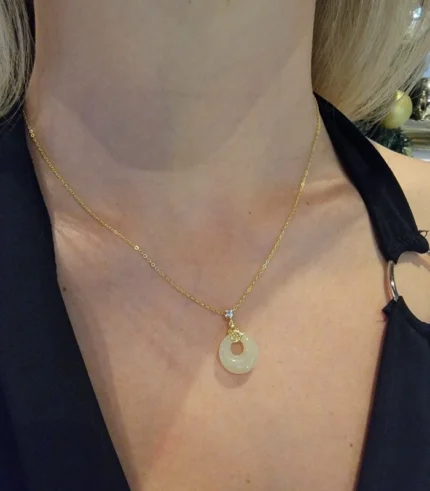
Jade is far more versatile for daily wear. Its exceptional toughness means it handles rings, bangles, and bracelets without worry. Jadeite comes in green, white, lavender, yellow, orange, and even black. Nephrite ranges from creamy white — the prized “mutton fat” jade — to deep forest green. When weighing moonstone vs jade for an everyday piece, jade’s superior toughness gives it a practical edge. However, moonstone’s unique adularescence creates a one-of-a-kind visual effect that jade simply cannot replicate.
Price ranges vary dramatically for both stones. Commercial moonstone starts around $1 per carat. Fine blue Sri Lankan moonstone can reach $200 per carat. Commercial nephrite begins at $5 per carat. Imperial jadeite — vivid emerald green with translucency — can command over $3,000 per carat. In 2014, a necklace of 27 imperial jadeite beads sold at auction for $27.44 million.
Caring for Moonstone vs Jade Jewelry
Both stones require simple care habits that take just seconds. For moonstone, clean with warm soapy water and a soft brush. Never use ultrasonic or steam cleaners. Store moonstone pieces separately to prevent scratches from harder stones. Remove moonstone rings before exercise or housework. These quick steps keep your moonstone looking brilliant for years.
Jade care is similarly straightforward. Clean with warm soapy water and a soft cloth. Avoid harsh chemicals, perfumes, and prolonged heat exposure. One important note: know whether your jade is untreated “A jade” or treated “B jade.” Treated jade is less stable and more sensitive to chemicals. Store jade separately despite its toughness — harder materials can still scratch it. When you pair either stone with 18K gold plated stainless steel, simply wipe the metal with a dry cloth after wearing. The scratch-resistant, hypoallergenic steel base makes maintenance effortless.
Join the KartiKart community
10% off, on top of any current sale, your first order + early access to new collections
Free · No spam · Unsubscribe anytime
Frequently Asked Questions
Is moonstone or jade more durable for everyday jewelry?
Jade is significantly more durable for daily wear. Its interlocking crystal structure makes it one of the toughest natural gemstones. Moonstone has cleavage planes that make it prone to chipping on impact, so it is better suited for earrings and pendants than everyday rings.
Can you wear moonstone and jade together in the same outfit?
Absolutely. Moonstone’s cool, luminous glow contrasts beautifully with jade’s rich, earthy tones. For example, a moonstone pendant paired with a jade bangle creates an eye-catching layered look. Both stones complement 18K gold plated settings perfectly.
How can you tell real moonstone from real jade?
Moonstone displays adularescence — a floating, billowy light effect beneath the surface. Jade does not glow this way. Instead, jade has a smooth, waxy to vitreous luster. A certified gemologist can confirm authenticity through refractive index and specific gravity testing. When in doubt, buy from reputable sellers who provide certification.
Shop Jewelry at KartiKart
Explore our collection of handcrafted 18K Gold Plated Stainless Steel jewelry. Every piece is designed for everyday elegance at an accessible price point.
Necklaces · Best Sellers · Bracelets
Sources & Further Reading
For verified gemstone and jewelry information:
Content last reviewed April 2026. If you notice any outdated information, please contact us.
From the KartiKart shop
Wear what you just read about
Dainty, everyday pieces, handpicked by a husband-and-wife team. Free U.S. shipping, gift-ready packaging, 30-day easy returns, and 5% of every order goes to organizations fighting human trafficking.
Shop white & blue jade jewelry →Pieces our readers love
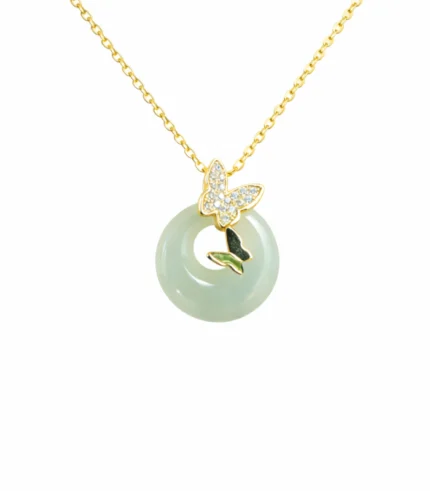
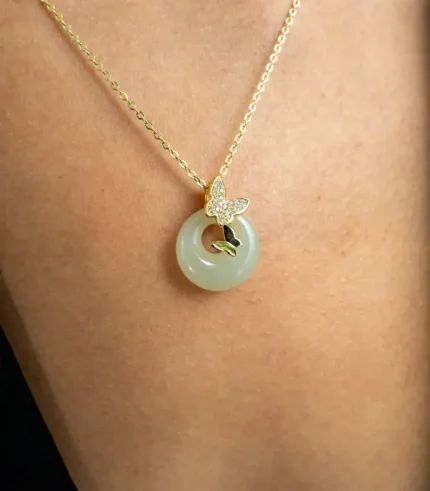
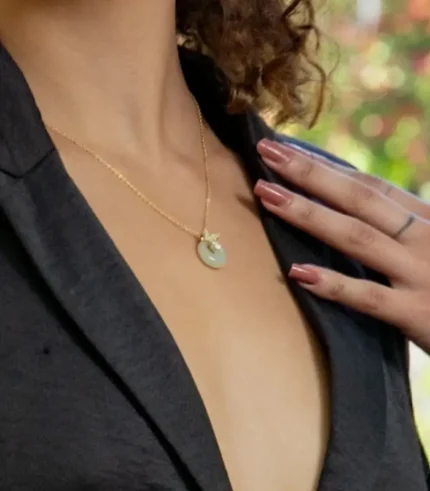
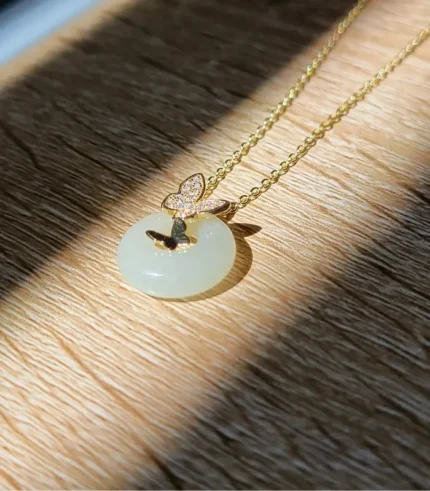
View all →Genuine White Jade Butterfly Necklace in 14K Gold Plated Silver
Original price was: $85.00.$76.50Current price is: $76.50.Genuine White Jade Flower Pendant Necklace in 14K Gold Plated Sterling Silver
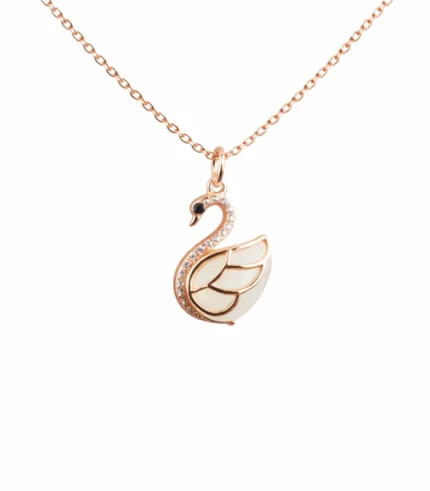
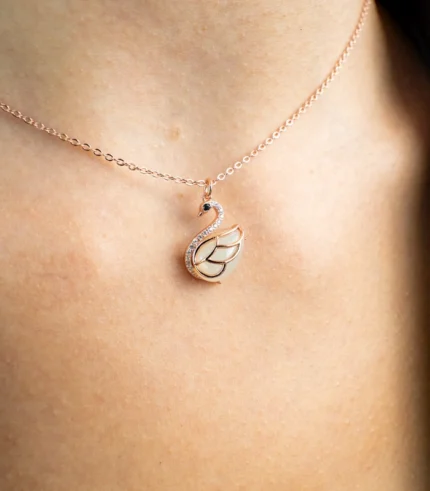
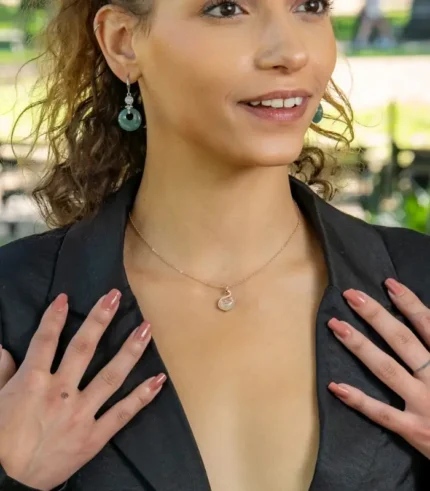
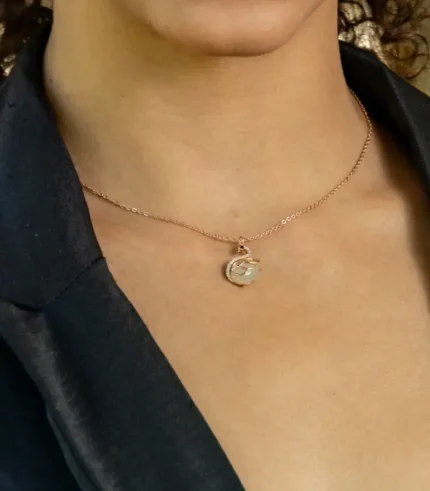
Original price was: $85.00.$76.50Current price is: $76.50.Genuine White Jade Swan Necklace in 14K Rose Gold Plated Silver
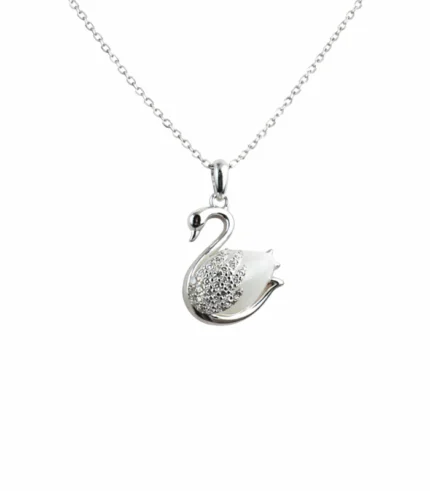
Original price was: $85.00.$76.50Current price is: $76.50.Genuine White Jade Swan Necklace in Sterling Silver
Original price was: $85.00.$76.50Current price is: $76.50.