How to Store Rings to Avoid Scratches
Store rings the right way, and they will look showroom-new for years. Most ring damage does not happen while you wear them. It happens in the drawer, where metal grinds against metal overnight. Gemologists at the Gemological Institute of America warn that a loose diamond ring will scratch almost anything it touches.
That includes gold, silver, and even other diamonds. The good news is that learning to store rings properly takes minutes, not money. Whether you own solid gold heirlooms or modern 18K gold plated stainless steel pieces, the same simple rules apply. This guide covers exactly how to store rings so scratches never get a chance.
Why You Must Store Rings Separately
Scratches follow one simple law of science. A harder material always scratches a softer one. Mineralogists measure this with the Mohs hardness scale, which runs from 1 to 10. Diamond sits at 10, the hardest natural material on Earth. Gold measures around 2.5 to 3. That gap explains most jewelry damage.
For example, a diamond solitaire tossed next to a gold band will win every collision. Opals rate only 5.5 to 6.5, so diamonds scratch them easily too. Even two diamonds can scratch each other. However, none of this matters if the pieces never touch. That is why experts store rings in separate slots, pouches, or compartments.
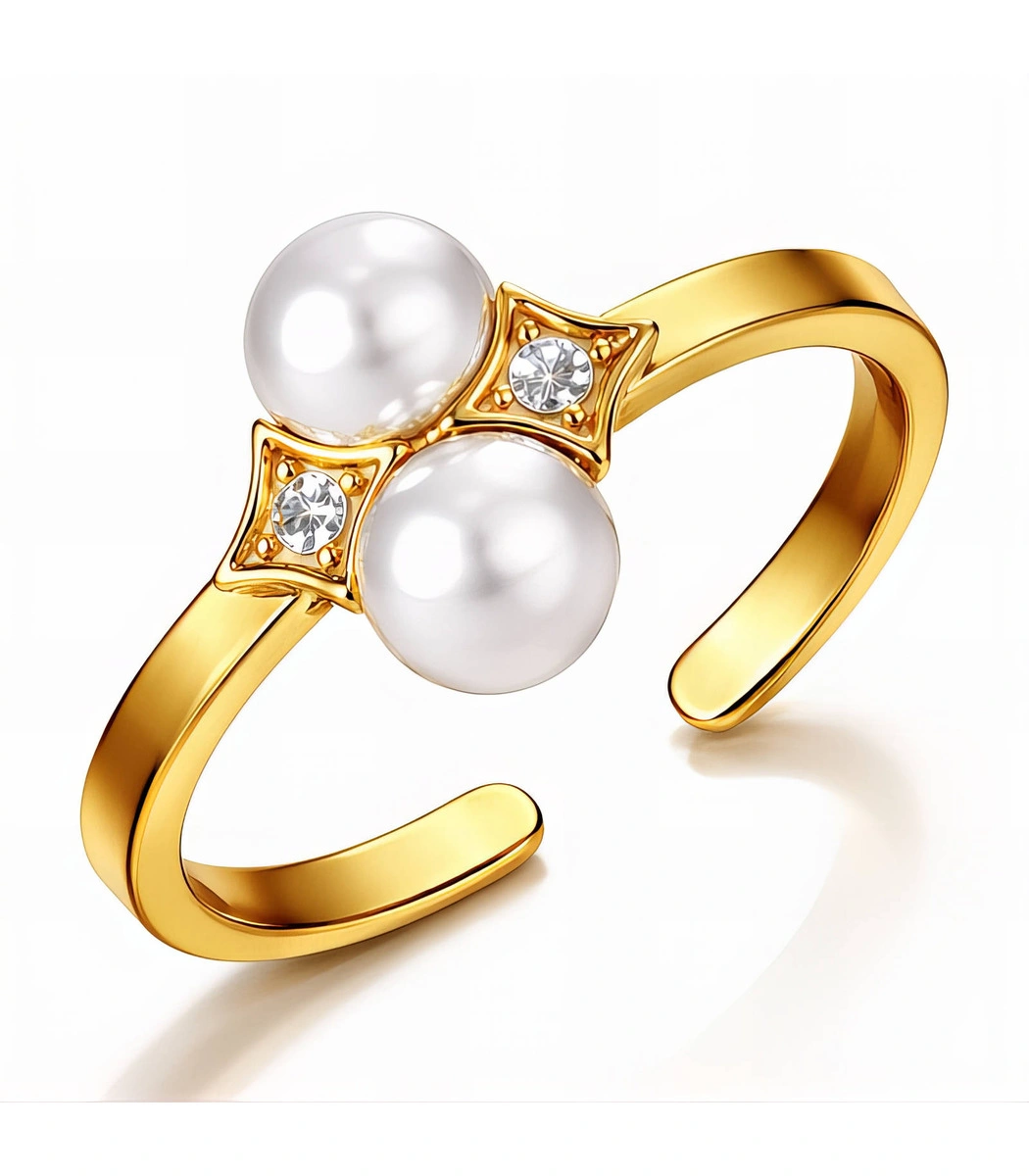
This is also where 18K gold plated stainless steel shines. Stainless steel rates around 5.5 to 6 on the Mohs scale, roughly twice as hard as solid gold. Modern plating technology bonds gold to that tough core. The result is a ring that resists everyday scuffs far better than older plated pieces. Typically, it handles daily wear beautifully while looking identical to solid gold.
The Best Ways to Store Rings at Home
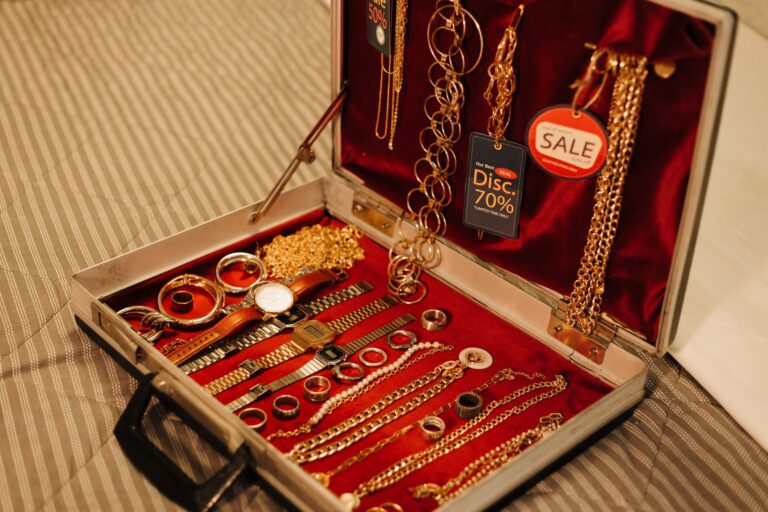
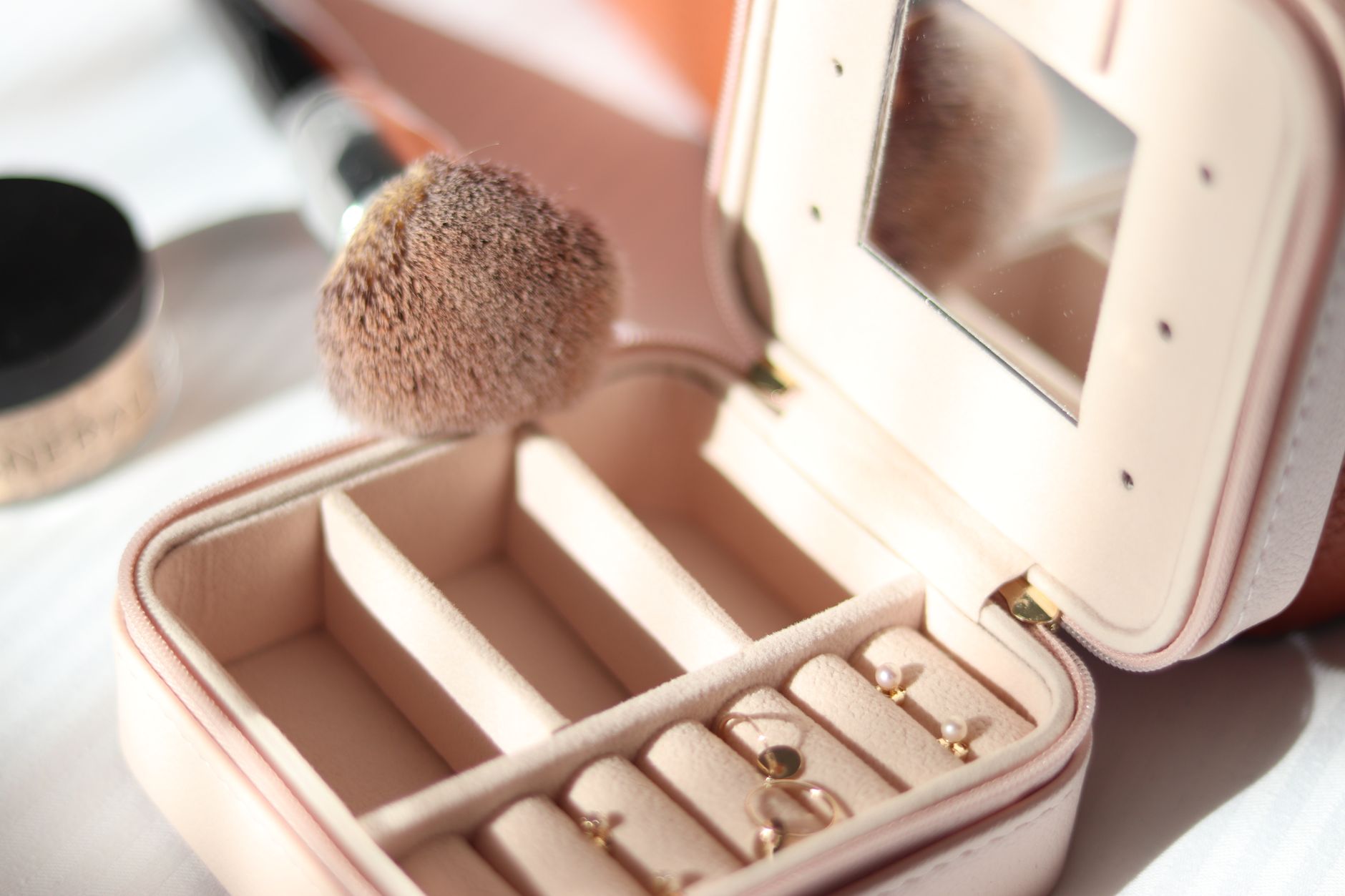
A slotted ring holder is the gold standard. These padded cylinders hold each ring upright in its own velvet or foam channel. Nothing touches, and you can see your whole collection at a glance. A lined jewelry box with individual compartments works just as well. The GIA’s jewelry care tips note that the original box or pouch from the store is also a perfect home.
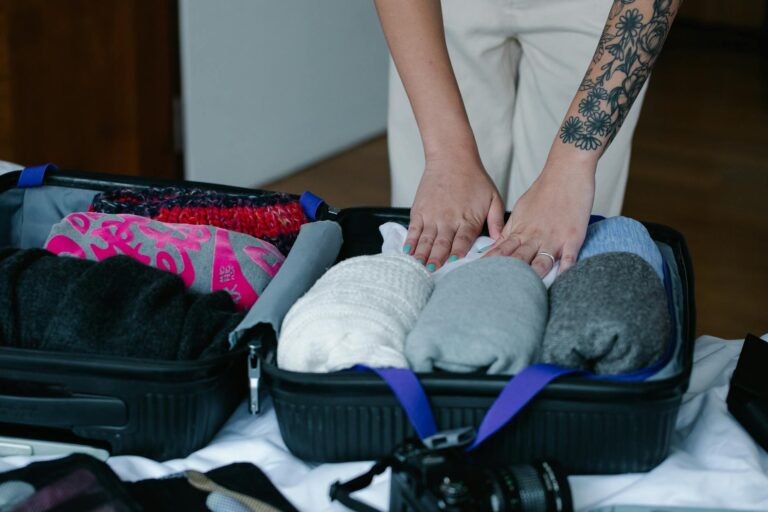
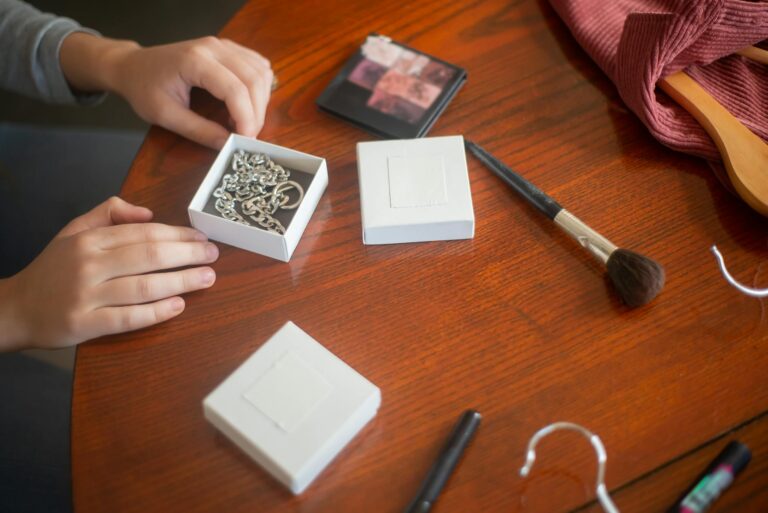
Soft fabric pouches are the budget-friendly hero here. One ring per pouch, and scratches become physically impossible. For example, a set of small microfiber bags costs less than lunch. They also travel well. In most cases, a pouch inside a zipped case is all the protection a weekend trip requires.
Position matters too. The GIA recommends storing high-set rings face-up. This keeps prongs from catching on fabric or pressing against the box floor. Never pile rings in a dish or drawer. That shortcut is the number one cause of hairline scratches.
Location, Climate, and Daily Habits
Where you store rings matters as much as how. Choose a cool, dry spot away from direct sunlight. Avoid bathrooms, basements, and shelves near heating vents. Humidity swings in those spaces speed up tarnish on silver and wear on any finish. A bedroom dresser or closet shelf is typically ideal.
Build one tiny habit: give each ring a home. Place a small ring dish with individual grooves by your sink and your nightstand. When you cook, clean, or shower, the ring goes in its slot. This ten-second habit protects the finish and stops rings from vanishing down drains. For gold plated stainless steel, skipping water exposure is an easy bonus move. It keeps the plating flawless for years, and it takes no effort at all.
However, do not hide rings so well that you never wear them. Jewelry is meant to be enjoyed. A visible, organized ring holder means you rotate pieces more often. This is where an affordable collection wins. Owning five beautiful 18K gold plated rings for the price of one solid gold piece means a different look every day, each stored safely in its own slot.
Smart Storage for a Growing Collection
As your collection grows, sort rings by hardness and material. Keep diamond and gemstone rings in one zone. Keep plain metal bands in another. Store rings with silver components alongside anti-tarnish strips, which absorb the sulfur compounds that cause darkening. Label compartments if it helps you stay consistent.
Join the KartiKart community
10% off, on top of any current sale, your first order + early access to new collections
Free · No spam · Unsubscribe anytime
Gold plated stainless steel pieces are wonderfully low-maintenance by comparison. They resist tarnish, they are hypoallergenic, and they hold up to daily wear. A quick wipe with a soft cloth before storage removes oils and keeps the shine bright. That is the entire routine. In most cases, ten seconds of care per week is all a modern plated ring ever needs.
Frequently Asked Questions
Is it OK to store rings together in one box?
Only if each ring has its own compartment or pouch. Rings that touch will scratch each other over time. Diamonds are the biggest risk, since they scratch every other material.
How should I store rings when traveling?
Use individual soft pouches inside a zipped travel case. Store high-set rings face-up so prongs stay safe. Never drop rings loose into a toiletry bag or purse pocket.
Do 18K gold plated stainless steel rings need special storage?
No special equipment is needed, just the same separate-slot rule. Keep them dry and wipe them with a soft cloth before storing. Modern plating on a hard stainless steel core makes these rings impressively scratch-resistant and easy to care for.
Shop Jewelry at KartiKart
Explore our collection of handcrafted 18K Gold Plated Stainless Steel jewelry. Every piece is designed for everyday elegance at an accessible price point.
Necklaces · Best Sellers · Earrings
Sources & Further Reading
For verified gemstone and jewelry information:
Content last reviewed July 2026. If you notice any outdated information, please contact us.